Introduction to Sacramento Wineries
Sacramento, located in the heart of California, is often overlooked as a destination for wine enthusiasts. However, it stands as a vibrant hub for the winemaking industry with a rich tapestry of vineyards nestled along the scenic Sacramento River and its surrounding areas. As you explore this wine region, you'll find that Sacramento wineries offer not only diverse varietals but also unique experiences that capture the essence of California’s winemaking heritage. This journey through the Sacramento wine region includes exploring the historical significance, the renowned grapes cultivated here, and the sustainable practices that numerous wineries are adopting. Whether you’re a seasoned sommelier or simply looking to enjoy a glass of local wine, Sacramento wineries promise experiences that tantalize the taste buds and enrich the soul.
Overview of the Sacramento Wine Region
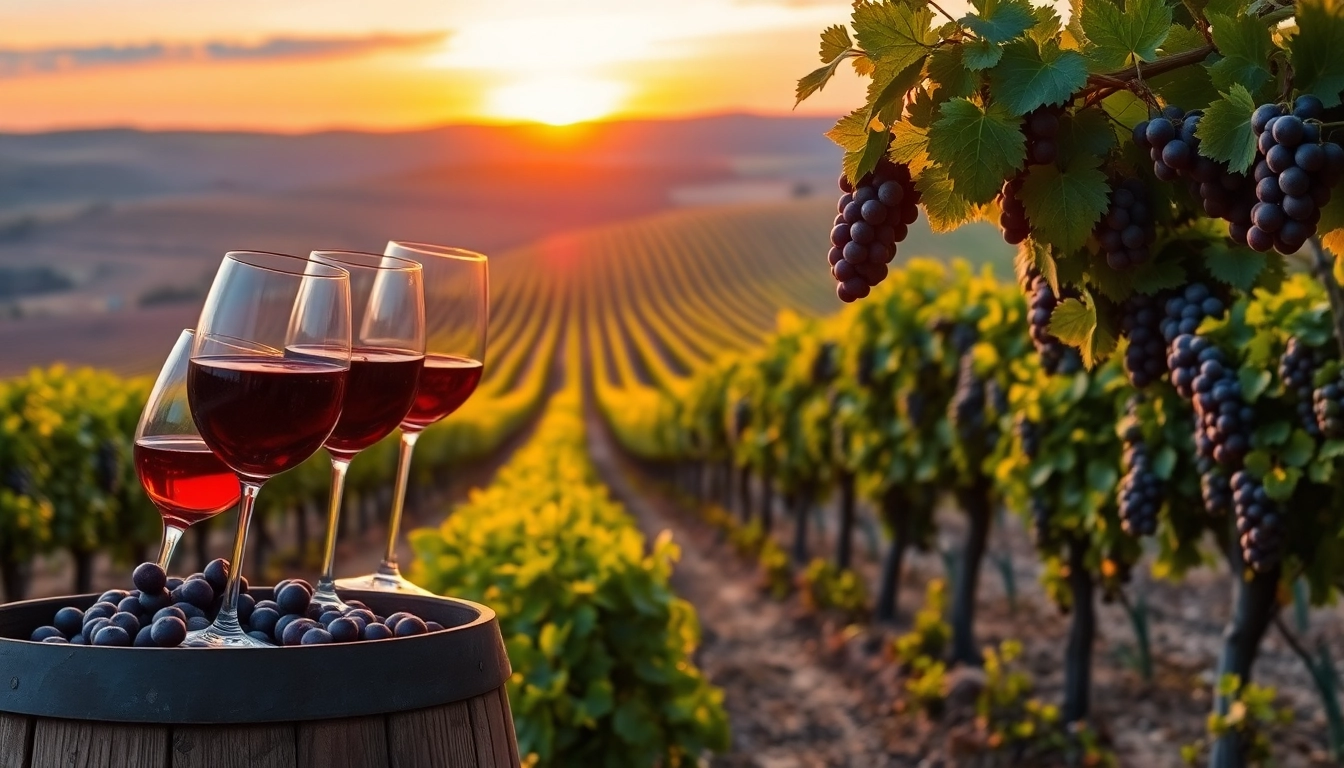
The Sacramento wine region may not have the same immediate recognition as Napa Valley or Sonoma, but it embodies a growing dynamism and character that is captivating wine lovers across the nation. Encompassing regions such as Clarksburg and Lodi, the Sacramento area benefits from a Mediterranean climate, fertile soils, and the favorable impact of surrounding bodies of water. These factors create a conducive environment for viticulture, promoting an array of wine styles that appeal to diverse palates. With over 200 wineries in the vicinity, the choices range from small family-owned estates to larger, well-established producers. This variety allows for an exploration of different winemaking philosophies and techniques, enabling visitors to taste how the terroir influences each bottle.
Historical Background and Development
The history of winemaking in the Sacramento region dates back to the mid-1800s during the California Gold Rush. Immigrants from Europe brought their vinicultural traditions with them, recognizing the area's potential for grape cultivation. The initial waves of settlers planted vineyards, primarily producing sweet wines to cater to miners and workers. As the decades passed, the focus of winemaking evolved, particularly after Prohibition, which decimated many early operations. However, in the late 20th century, a renaissance occurred, driven by a new generation of winemakers dedicated to quality and innovation. Today, Sacramento wineries are known for both tradition and modern techniques, revitalizing their place in the California wine narrative.
Why Sacramento Wineries Stand Out
Sacramento wineries distinguish themselves through their commitment to quality, community involvement, and sustainable practices. The region's invigorating diversity of soil types and microclimates fosters a broad array of wine styles, including rich Zinfandels, aromatic Sauvignon Blancs, and elegant Cabernet Sauvignons. Additionally, many wineries engage in organic and biodynamic practices, reflecting a broader global trend towards sustainability. The accessibility of Sacramento wines is another standout feature—without the crowds often found in regions like Napa, visitors can enjoy intimate tastings and more personal interactions with the winemakers. Plus, many wineries offer educational tours, panel discussions, and events that further enlighten guests about the intricacies of winemaking.
Exploring Wine Varieties
No exploration of Sacramento wineries would be complete without a deep dive into the wine varieties that define this region. From signature grapes to exciting tasting notes, the following sections illuminate the flavors and techniques that make Sacramento wines truly exceptional.
Signature Grapes Grown in Sacramento
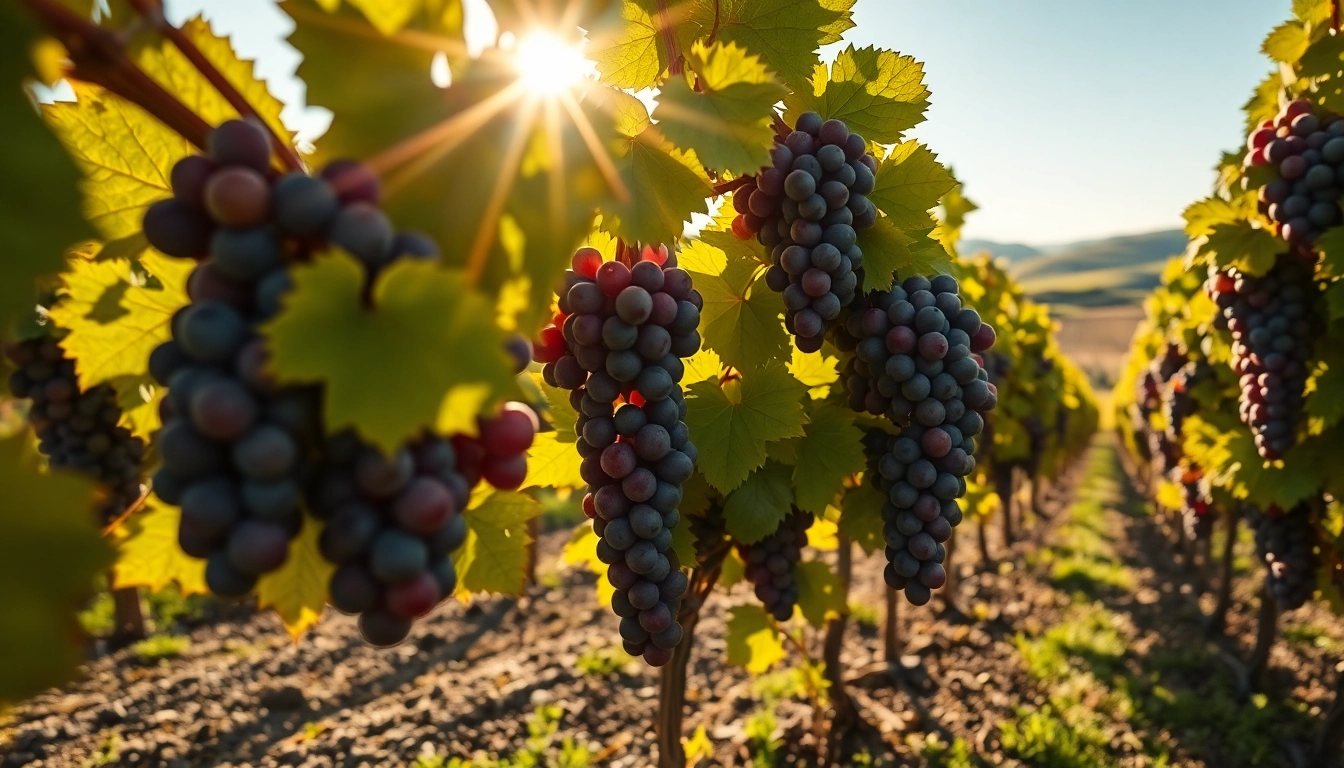
A cornerstone of Sacramento's viticulture is its diverse grape varietals, each representing a unique aspect of the region’s character. Among the most notable is Zinfandel, which thrives in the warm, sunny climate. Prized for its fruity profile and peppery finish, it often showcases rich berry flavors—perfect for accompanying hearty dishes. Chardonnay also plays a significant role in Sacramento’s vineyards, exhibiting a range of styles from crisp and mineral-driven to rich and oaky, depending on the winemaker’s choices in fermentation and aging. In addition, the region has gained recognition for its extraordinary Sauvignon Blanc, known for its bright acidity and citrus notes, appealing to fans of refreshing white wines. Finally, Cabernet Sauvignon and Merlot find a place within the growing landscape of Sacramento, offering robust undertones and complex finishing notes. The creative blending practices of local wineries only enhance the uniqueness of wines produced here.
Tasting Notes: Understanding Wine Profiles
Understanding wine involves more than just appreciating taste; it encompasses the appreciation of aromas and textures as well. Sacramento wineries pride themselves on creating distinctive profiles for each varietal, enabling enthusiasts to delve into the complexity of flavors. For instance, a typical Sacramento Zinfandel might present vibrant cherry notes combined with hints of vanilla and toasted oak, resulting in a smooth yet robust experience. On the other hand, a local Chardonnay may exhibit creamy citrus notes, with a subtle mineral undertone that reflects its terroir. By analyzing wines while considering visual appearance, sniffing for aromas, and savoring every sip, visitors to Sacramento wineries can better appreciate the craftsmanship behind each bottle.
Food Pairings with Sacramento Wines
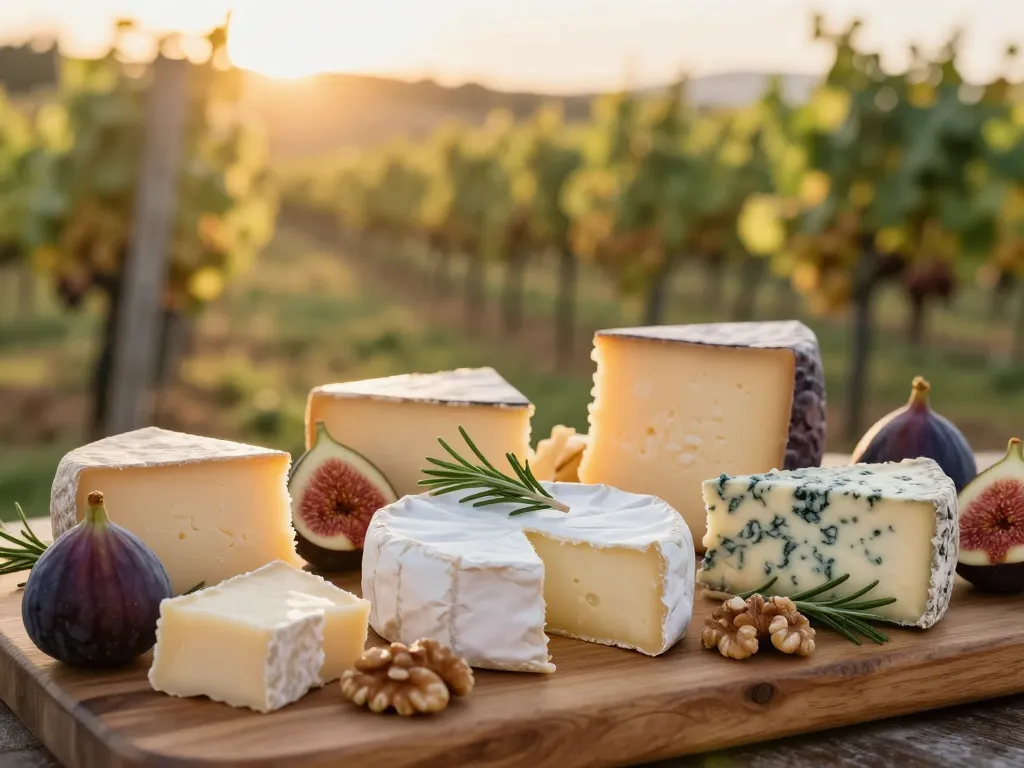
Pairing food with wine is an art in itself, and Sacramento wineries provide ample opportunity to experiment. For instance, local Zinfandel’s spicy and fruity character pairs well with BBQ ribs or grilled sausages, enhancing the smokiness of the meat. Conversely, Chardonnay, especially if oaked, complements creamy pasta dishes or buttery seafood, marrying textures and flavors beautifully. When it comes to lighter varietals such as Sauvignon Blanc, their acidity and bright notes blend seamlessly with salads, goat cheeses, and seafood, making them ideal companions for a summer picnic. The versatility of these wines allows for innovative pairings that can elevate any dining experience, whether it’s a casual gathering or a formal dinner.
Winery Experiences You Can't Miss
Sacramento’s wine country isn’t just about tasting but also about the experience. From the magnificent views of vineyards to immersive wine education, every moment spent at local wineries can add layers of appreciation to the tasting journey.
Top Wineries to Visit in the Sacramento Region
While numerous wineries dot the landscape of Sacramento, a select few have garnered considerable acclaim and offer unique experiences. Notably: - Bogle Vineyards: One of the most prominent wineries in the area, Bogle is known for its environmentally friendly practices and commitment to quality. Visitors can explore their expansive estate and relish in tastings of award-winning wines. - Murphy’s Law: Nestled in the picturesque Clarksburg region, this boutique winery showcases hand-crafted wines that resonate with authenticity. Visitors often rave about their personalized tasting sessions. - Pine Grove Winery: This winery embodies a true farm-to-table ethos, offering food pairings that complement their wines, all sourced from local ingredients. These wineries, alongside many others, incorporate beautiful landscapes and attentive service to provide an unforgettable experience.
Unique Tasting Experiences and Tours
The allure of Sacramento wineries extends beyond just sipping wine. Many of them offer unique tasting experiences, including vineyard tours where guests can witness firsthand the winemaking process from grape to glass. At Reynolds Family Winery, you can partake in a behind-the-scenes experience that includes harvesting grapes, blending sessions, and private tastings in their scenic courtyard. For a more interactive experience, consider attending blending seminars, where you can play winemaker for a day, experimenting with different varietals to create your unique blend—a perfect take-home memory from your visit.
Seasonal Events and Festivals
Through the year, Sacramento wineries host a variety of events and festivals that celebrate the art of winemaking. The Sacramento Wine & Chocolate Festival is a must for those who enjoy pairing delightful chocolate confections with exquisite wines, showcasing the region's best. Additionally, harvest festivals highlight the annual grape harvest, offering tours, tastings, and even grape stomping opportunities, allowing participants to engage in winemaking traditions. Engaging with the local community through these events fosters camaraderie and a sense of place that is invaluable to the wine-tasting experience.
Sustainability in Sacramento Wineries
In today's world, sustainability has become increasingly vital, and many Sacramento wineries are leading the charge in adopting eco-friendly practices. This section explores how these wineries address environmental concerns while producing top-quality wines.
Eco-Friendly Practices in Vineyards
Eco-conscious practices are prevalent across many Sacramento wineries. For instance, cover cropping is a common method to enhance soil quality by maintaining healthy microbiomes, while also reducing erosion. Some vineyards use integrated pest management (IPM) systems, reducing the reliance on synthetic pesticides by utilizing natural predators to maintain pest control. Moreover, several wineries harness solar power for their operations, drastically lowering their carbon footprints. These sustainable practices not only produce better grapes but also create a more responsible environment for future generations.
Challenges and Innovations in Sustainable Wine Production
Despite the positive trends, challenges remain in sustainable wine production, including climate change and water management issues. However, innovative practices such as drip irrigation and investment in drought-resistant grape varietals are gaining traction. Wineries like Mettler Family Vineyards are at the forefront of these innovations, dedicating resources to research and development, looking into how climate adaption methods can enhance grape growing and wine production processes. Such forward-thinking not only addresses immediate environmental concerns but sets a precedent for the global wine industry.
Community Impact and Involvement
Beyond their vineyards, Sacramento wineries aim to make a positive impact on their communities. Many engage in local charitable initiatives, partnering with organizations for environmental conservation or community development. Winery events often donate portions of proceeds to local charities, encouraging a supportive relationship with the community. This bond cultivates a sense of belonging and pride within the encapsulated wine culture of Sacramento.
Planning Your Visit to Sacramento Wineries
If you’re planning a trip to Sacramento wineries, knowing when to visit and how to navigate the region can significantly enhance your experience.
Best Times to Visit for Wine Enthusiasts
The ideal times to visit Sacramento wineries are during spring (April to June) and fall (September to October). Spring showcases the beautiful landscapes adorned with blooming grapevines, and fall presents the thrilling harvest season, allowing visitors to witness the activity of picking and processing grapes firsthand. Holidays or special events can also be an excellent time to visit as many wineries host unique happenings that add to the experience.
Transportation and Accessibility Considerations
Getting around the Sacramento wine region has become more comfortable with various transportation options. Consider utilizing wine tour companies that offer guided experiences for a stress-free exploration of the area. Alternatively, renting a car provides flexibility to explore at your pace. Public transportation options link Sacramento to neighboring wine regions and are an inexpensive way to experience the culture without the hassle of driving.
Tips for an Unforgettable Winery Tour Experience
To maximize your winery visits, consider these helpful tips: 1. Plan Ahead: Research the wineries you wish to visit and book tasting reservations in advance, especially for popular ones. 2. Stay Hydrated: Remember to drink plenty of water throughout the day, as wine tasting can dehydrate you quickly. 3. Pace Yourself: Limit your tastings to two or three wineries per day to fully enjoy each experience without rushing. 4. Engage with Staff: Take advantage of knowledgeable staff by asking questions about their processes, challenges, and philosophies—it enriches the experience exponentially. 5. Enjoy the Scenic Views: Don’t forget to soak in the scenery—often, the views at these wineries are just as breathtaking as the wines themselves. In conclusion, Sacramento wineries provide a unique yet underappreciated experience within California’s famed wine landscape. From their historical roots to their innovative sustainable practices, they offer a rich tapestry of experiences for every wine lover. Exploring this vibrant region will undoubtedly leave you with lasting memories, a newfound appreciation for wine, and perhaps even a bottle (or two) to savor long after your visit.