A Guide to Wineries in Clarksburg
Nestled in California’s beautiful Sacramento Valley, Clarksburg is not just a quaint riverside town; it is also a hidden gem for wine enthusiasts. With a rich agricultural heritage and a burgeoning reputation in the wine industry, Clarksburg boasts an array of wineries that produce a stunning variety of wines. Visitors can explore the vineyards, sample exquisite local wines, and learn about the winemaking process. For those looking to immerse themselves in this wine-rich region, discovering wineries in Clarksburg is an adventure not to be missed.
Overview of Clarksburg's Wine Country
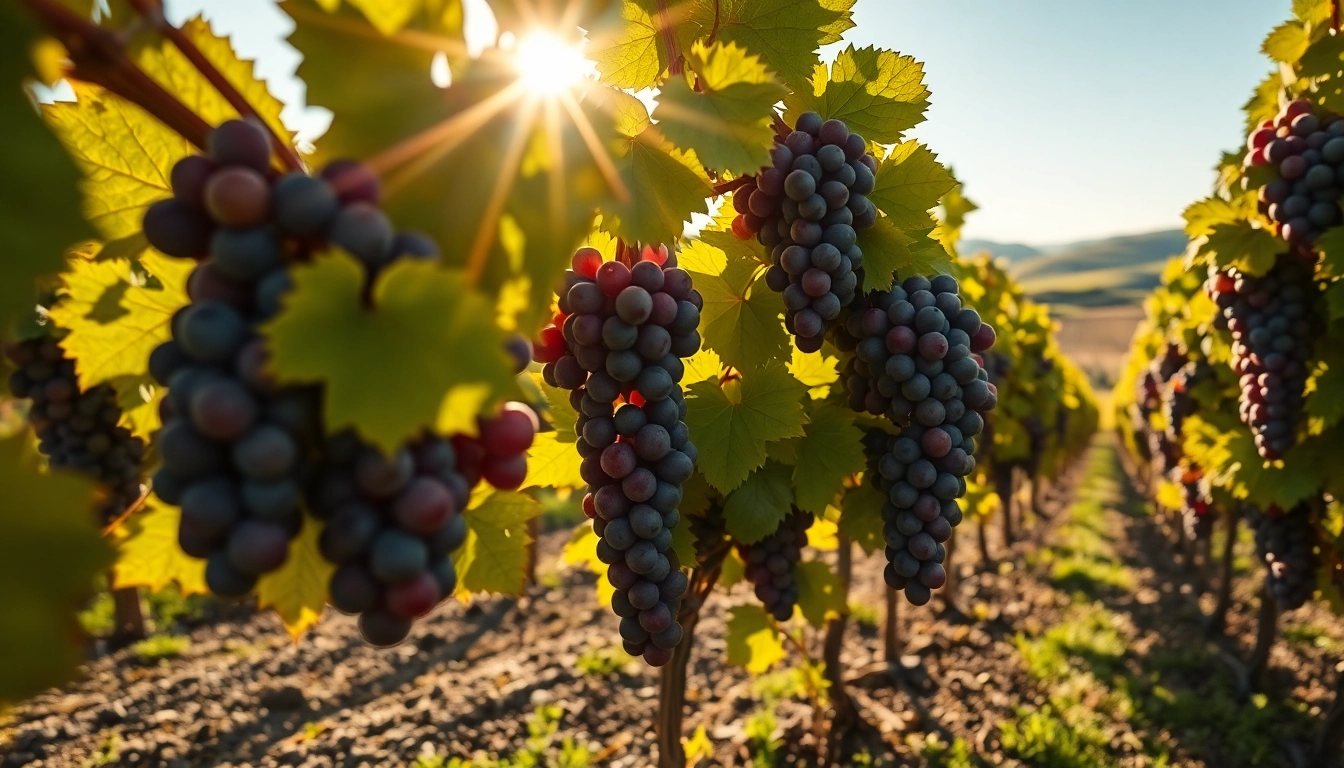
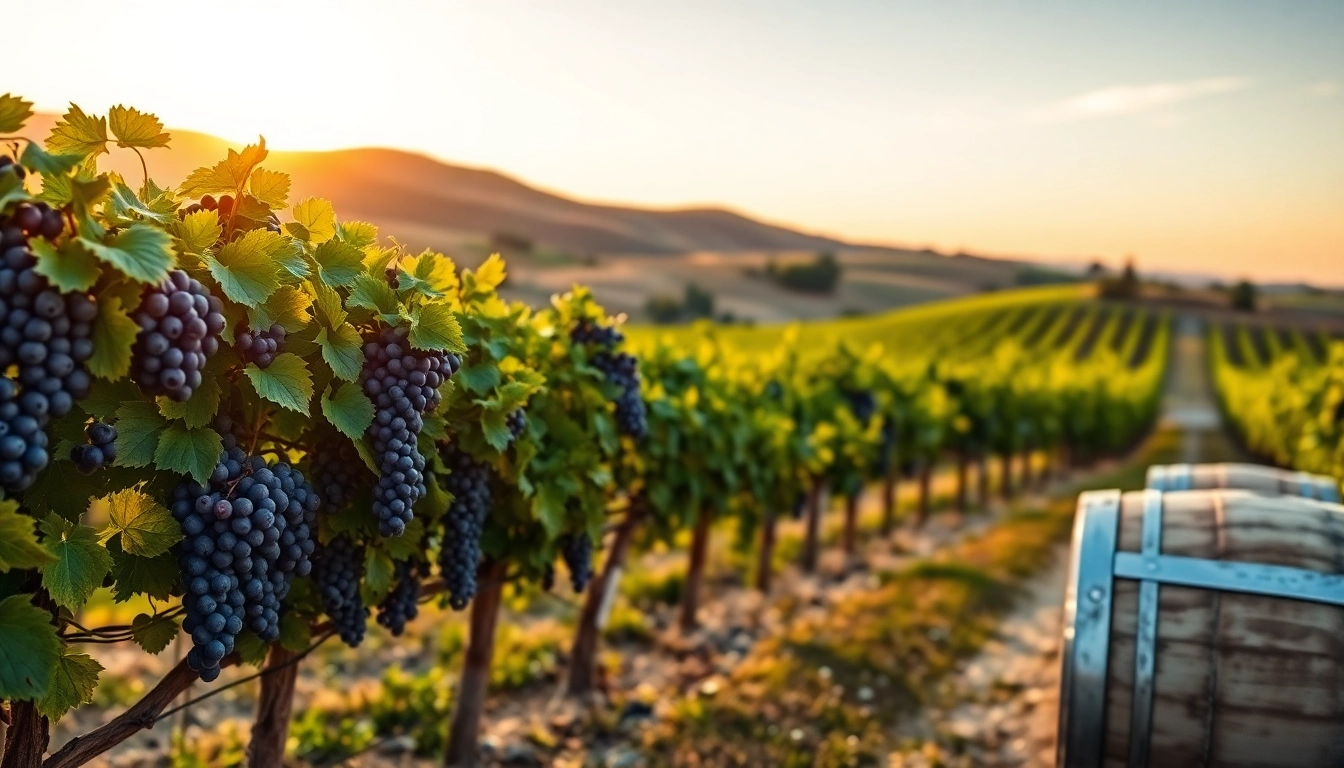
Clarksburg's wine country is defined by its unique climate, soil, and wine-producing history. The region benefits from warm days and cool delta breezes, which create ideal growing conditions for a variety of grape varieties. The Sacramento River promotes fertile soil enriched with minerals, making it an optimal environment for vines. The area has slowly grown to include several wineries, many of which are family-owned and operated, each offering its individual character and charm.
Historically, Clarksburg was agricultural land known for its crops; however, as the winemaking industry evolved, grape varieties were planted, leading to the current, thriving wine scene. The commitment of local winemakers to sustainable and organic practices has enhanced the quality and reputation of Clarksburg wines, leading to a rise in both production and tourism. Today, it is home to a vibrant community of wine lovers, chefs, and artisans who celebrate the rich heritage of this thriving wine region.
Types of Wines Produced
Wineries in Clarksburg are known for producing a diverse range of wines, including rich reds, crisp whites, and luxurious dessert wines. The most commonly cultivated grape varietals include:
- Chenin Blanc: This versatile grape is a hallmark of Clarksburg, yielding wines that are fresh and fruity, often with notes of apple and pear. Some producers craft sparkling Chenin Blancs that highlight the region's terroir.
- Cabernet Sauvignon: Known for its depth and complexity, Clarksburg's Cabernets often exhibit black fruit flavors complemented by oak and spice, making them popular among red wine aficionados.
- Merlot: Soft, velvety Merlots from Clarksburg are enjoyable for their roundness and dark fruit flavors, making them approachable and perfect for casual sipping.
- Syrah: The bold Syrahs produced here are typically characterized by their dark berry flavors and peppery notes, earning accolades for their quality and complexity.
- Zinfandel: This grape thrives in warm climates; Clarksburg’s Zin finds a balance between fruit-forward characteristics and a hint of spice.
With a focus on quality, many wineries engage in sustainable farming practices and limited production to ensure the finest quality grapes are harvested each year. This is reflected in the distinctiveness of their wines, which capture the essence of Clarksburg’s landscape and climate.
Visiting Wineries: What to Expect
Upon visiting the wineries in Clarksburg, expect a delightful experience that combines education, exploration, and, of course, tasting. Most wineries offer guided tours that take visitors through the production process, from the vineyard and harvest through fermentation and aging. Attendees get a firsthand look at the methods used in winemaking, often highlighting the viticulture techniques that set Clarksburg apart.
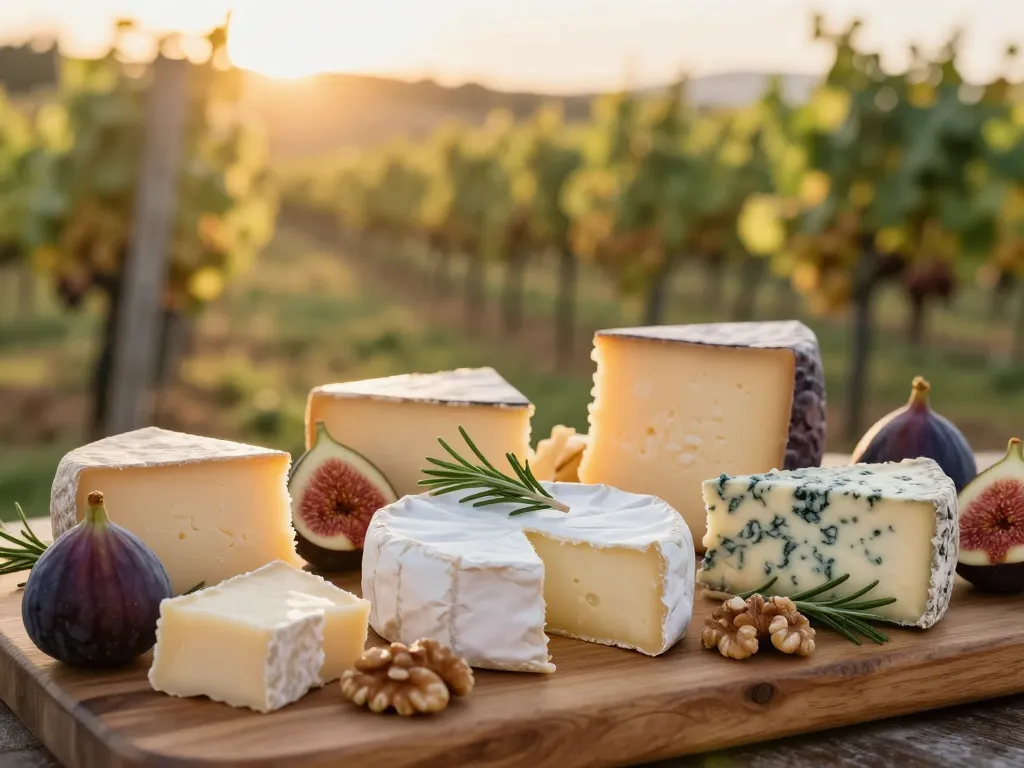
Wine tastings are typically structured to allow guests to sample a range of wines. Tastings can vary from informal standing tastings at the bar to more curated experiences in beautiful outdoor settings or private rooms. Many wineries also offer gourmet food pairings to enhance the tasting experience, pairing local cheeses, cured meats, or artisanal bread with their wines.
Additionally, visitors can expect a warm and welcoming atmosphere, as the local wineries pride themselves on customer service. Staff members are usually knowledgeable and enthusiastic about sharing stories behind the wines and establishing connections with their visitors.
Top Wineries You Should Visit
Unassuming Gems of Clarksburg
While some wineries may be more well-known, Clarksburg is home to hidden gems that hold their own in the wine world. Wineries such as Bogle Vineyards, known for producing award-winning wines while maintaining a commitment to sustainable practices, and Pharis Farm Winery, which offers a charming down-to-earth atmosphere, are perfect examples of quality without pretense.
Another noteworthy mention is Old Sugar Mill, where several wineries are located within one historic brewery. It offers visitors the chance to sample multiple brands under one roof, making it perfect for a leisurely day of tastings and exploration while enjoying the opportunity to talk with a variety of winemakers.
Family-Owned vs. Commercial Wineries
When exploring wineries in Clarksburg, visitors will encounter both family-owned and commercial operations. Family-owned wineries often highlight a personal touch in both winemaking and hospitality. With generations of experience, family-run operations frequently emphasize quality over quantity, focusing on niche varietals, traditional production methods, and unique blends that convey a sense of place and heritage.
Commercial wineries, on the other hand, may have greater production capacity and can offer a wider distribution of their wines. They may also possess more advanced winemaking technology and facilities, allowing for experimentation and exploration of emerging wine trends. While these larger operations may not feel as intimate as family-owned wineries, they often host a variety of events and tastings that draw wine lovers looking for a lively atmosphere and well-curated wine selections.
Unique Tasting Experiences
Unique tasting experiences are what set Clarksburg apart, and many wineries offer innovative and engaging ways to explore their wines. Some wineries host “blend your own wine” workshops, where guests can experiment with different varietals to create their custom blends. These interactive experiences not only enhance wine appreciation but also provide a memorable take-home souvenir.
Others might offer vineyard tours that include horseback riding through the scenic landscapes, picnics amidst the vines, or cooking classes paired with specific wines to complement the tasting experience. Such creativity and personalization elevate the tasting experience and allow visitors to forge deeper connections with the wines they are enjoying.
Wine Tasting Etiquette and Tips
Preparing for a Tasting
To maximize the enjoyment of a wine tasting, preparation is key. Start by researching the wineries you plan to visit, reviewing their offerings and any special events. It’s advisable to make reservations, especially during peak tourist seasons or for larger groups.
Dress comfortably; many tastings happen outdoors or in idyllic vineyards, so consider the weather and bring sun protection if necessary. Keep in mind to pace yourself - it’s best to start with lighter wines and progress to heavier ones, allowing your palate to adjust and better appreciate the subtleties of each wine.
Understanding Wine Descriptions
Wine descriptions can often seem obtuse for newcomers, but they are key to understanding what you are tasting. Most wine tasting notes include references to specific fruits, spices, and textures. Look for four main characteristics: aroma, flavor, body, and finish. Notate how the wine smells upon initial inhalation, the flavors that emerge on the palate, the weight of the wine in your mouth (body), and how long the taste lingers after swallowing (finish).
Don’t hesitate to ask the winery staff questions to deepen your understanding. They can often provide valuable insights into the specific grapes and processes that shape that particular wine.
How to Pair Wine with Food
Pairing wine with food is an art that enhances both the wine-drinking and dining experience. General rules of thumb suggest matching the weight of the wine to the weight of the food; for example, lighter wines such as Sauvignon Blanc pair beautifully with seafood or salads, whereas heavier reds complement richer dishes, like steak or hearty pasta.
Don’t be afraid to experiment, however. Personal preferences vary, and sometimes unconventional pairings yield surprisingly delightful results. Engaging with your palate at various tastings will help you discover what combinations you enjoy most.
Events and Festivals in Clarksburg
Annual Wine Harvest Festival
The Annual Wine Harvest Festival is a highlight on the Clarksburg calendar, attracting visitors from near and far who come to celebrate the bounty of the grape harvest. Featuring tastings from local wineries, delicious food pairings from local restaurants, and live music, it fosters a community spirit that celebrates the region’s wine culture.
Activities may also include grape stomping contests, cooking demonstrations, and educational workshops about viticulture. Attending this festival is a fantastic way to sample the full array of wines available in Clarksburg while enjoying the beautiful autumn scenery.
Special Wine Tasting Events
Throughout the year, Clarksburg wineries frequently host special tasting events that showcase seasonal releases, new vintages, or specific varietals. Keep an eye on local winery calendars for themed tastings, educational seminars, and winery anniversaries that may provide exclusive access to limited-edition wines.
These events often feature food pairings, creating unique culinary experiences that heighten the appreciation of both wine and food. Many wineries also celebrate holidays with special events, making for a great reason to visit throughout the year.
Local Culinary Pairings
In addition to the wineries themselves, Clarksburg is home to exceptional culinary talent that pairs perfectly with its wine offerings. Many local restaurants curate their menus to complement the local wines, creating an experience that highlights both the freshness of local ingredients and the depth of Clarksburg wines.
Catering to various palates, some establishments focus on farm-to-table principles, ensuring the ingredients' quality and seasonality resonate with the wine offerings. Collaborating with nearby wineries often leads to exclusive wine dinners or tasting events, further connecting the food and wine culture in this vibrant community.
Plan Your Visit to Wineries in Clarksburg
Best Times to Visit
When planning a visit to Clarksburg wineries, timing can significantly enhance your experience. The best times to visit are during the spring (April to June) and early fall (September to October). Spring offers beautiful blooming vines and mild weather conducive to outdoor tastings. Conversely, fall ushers in the grape harvest, where guests can witness the bustling vineyard activities firsthand.
Summer can be hot, so visiting in the early morning or late afternoon is advisable for the most comfortable experience. Harvest season is bustling but also a time of celebration, making it an engaging period to visit. Off-season, winter can be quieter, providing a peaceful experience without crowds.
Accommodations and Local Dining
For those planning to spend a few days in Clarksburg, there is a range of accommodations from quaint bed and breakfasts to charming inns right near the vineyards. Staying overnight allows you to relax and enjoy multiple tastings without the worry of transportation afterward.
Local dining options are abundant, from rustic eateries serving comfort food to fine dining establishments championing gourmet cuisine. Seeking out places that feature local wines on their menus is a must, as it provides a more integrated taste of the region. Additionally, many wineries have restaurants or tasting rooms on site, offering culinary experiences that perfectly complement the wines served.
Transportation Options
Driving in Clarksburg can be enjoyable, with picturesque country roads winding between vineyards. Several transportation options also ensure a safe and stress-free tasting journey. For those who prefer not to drive, wine tour services provide guided experiences featuring multiple vineyard visits in a single day.
Ride-sharing services or designated drivers are excellent options for larger groups who wish to indulge without worrying about logistics. Many wineries also cooperate with local transportation providers to facilitate events and tasting experiences, further enabling responsible enjoyment of the region's offerings.