The Importance of Exfoliating with the Best Back Loofah
Exfoliation is a crucial part of a skincare routine that helps remove dead skin cells, revealing healthier, smoother skin beneath. Among the various tools available for effective exfoliation, the back loofah stands out as an essential choice for those who struggle to reach and treat the hard-to-reach areas on their backs. By selecting the best back loofah, you can enhance your bathing experience and significantly improve your skin’s appearance and texture. This article will delve into what a back loofah is, its benefits, frequency of use, and what to consider when selecting the best one for your needs.
What is a Back Loofah?
A back loofah is a bathing accessory specifically designed to aid in the exfoliation of hard-to-reach areas of the body, primarily the back. Typically featuring a long handle, these loofahs are made from either natural or synthetic materials, allowing for comfortable scrubbing and cleansing. The loofah texture helps to slough away dead skin cells while simultaneously stimulating circulation, making it a dual-purpose tool for both hygiene and skincare.
Benefits of Using a Back Loofah
Utilizing a back loofah offers numerous benefits, including:
- Exfoliation: It removes dead skin cells, promoting cell turnover and revealing fresh skin.
- Improved Blood Circulation: The scrubbing action increases blood flow, aiding in skin health and vitality.
- Better Absorption of Skincare Products: Removing dead skin allows for better absorption of moisturizers and treatments applied afterward.
- Reduced Ingrown Hairs: Regular exfoliation can minimize the risk of ingrown hairs, especially for those who shave.
- Relaxation: The act of scrubbing can be a soothing, stress-relieving experience.
How Often Should You Exfoliate?
The frequency of exfoliation using a back loofah can vary based on skin type. Generally, it is advisable to exfoliate 1-3 times a week. For individuals with sensitive skin, once a week may be sufficient to avoid irritation. Conversely, those with oily or rough skin may benefit from more frequent exfoliation. It’s essential to listen to your body and adjust the frequency according to how your skin reacts.
Types of Loofahs: Finding the Best Back Loofah
Natural vs. Synthetic Loofahs
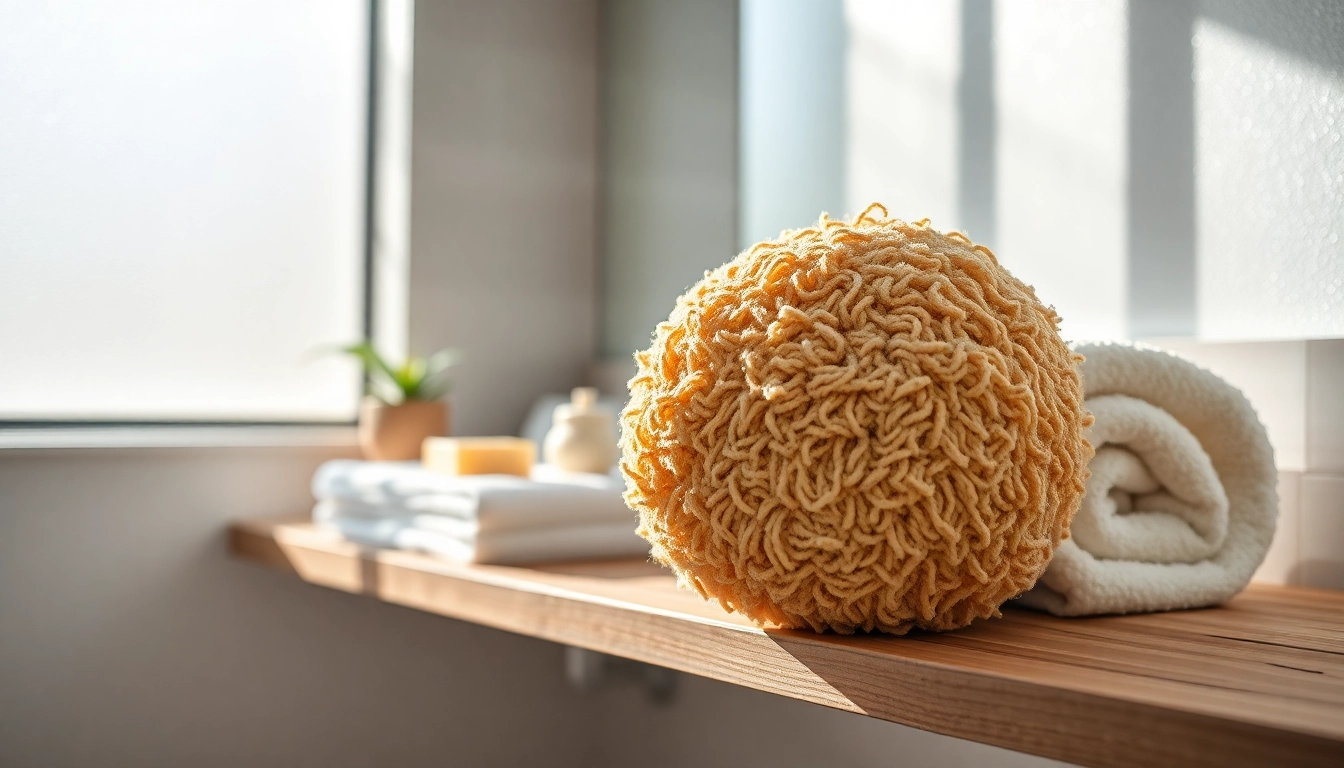
Back loofahs can be categorized into two main types: natural and synthetic. Natural loofahs are derived from the fibrous skeleton of the loofah plant and are biodegradable, making them an eco-friendly option. They tend to be slightly rougher, providing a deeper exfoliation. On the other hand, synthetic loofahs, usually made from nylon or other soft plastics, can be gentler on the skin and often dry faster, which may reduce the growth of bacteria.
Size and Shape Considerations
When choosing the best back loofah, consider the size and shape. A longer handle is beneficial for reaching the middle and lower parts of the back, while the loofah’s width can affect how easily it can cover larger areas. Some loofahs come with contoured shapes that can conform better to the curves of the body, while others may have flat surfaces ideal for broader strokes.
Choosing the Right Material
The material of the back loofah is paramount for ensuring an effective exfoliation process without damaging the skin. Natural loofahs offer a more robust exfoliation, but those with sensitive skin might prefer a synthetic option. Additionally, look for loofahs with antimicrobial properties to prevent bacteria build-up, which can lead to skin issues.
How to Use the Best Back Loofah
Step-by-Step Guide to Exfoliating
Using a back loofah effectively involves following a few straightforward steps:
- Start by wetting the loofah in warm water. This helps soften the fibers and open up your skin’s pores.
- Apply a generous amount of your favorite body wash or exfoliating scrub to the loofah.
- Begin scrubbing your back in gentle, circular motions, gradually increasing pressure as your skin adjusts.
- Focus on areas that tend to be drier or rougher, spending extra time there, but avoid overly sensitive spots.
- Rinse your back thoroughly to remove any soap residue and dead skin.
- Pat dry and follow up with a moisturizer to hydrate your newly exfoliated skin.
Best Practices for Care and Maintenance
Proper care and maintenance of your back loofah are crucial for its longevity and hygiene. Rinse it thoroughly after each use to remove soap and skin particles. Hang it to dry in a well-ventilated area to prevent the buildup of mold and bacteria. It’s also advisable to replace your loofah every few months, or sooner if you notice any signs of wear or contamination.
Combining With Your Skincare Routine
To maximize the benefits of using a back loofah, incorporate it into your overall skincare routine. After exfoliating, follow up with a hydrating body lotion or serum to lock in moisture. This not only helps maintain your skin’s softness but also enhances the effects of exfoliation, providing a smooth and glowing appearance.
Common Mistakes When Using Back Loofahs
Using Too Much Pressure
One of the most frequent mistakes is applying too much pressure when scrubbing, which can lead to skin irritation or microtears. Always start with gentle pressure and increase as needed to avoid damaging your skin.
Neglecting Regular Cleaning
Failing to clean your loofah regularly is another common error. Daily rinsing and weekly deep cleaning will ensure that bacteria do not proliferate and cause skin issues, such as infections or breakouts.
Ignoring Skin Sensitivities
Every individual’s skin is different, and what works for one person may not work for another. If you experience redness or irritation after using a loofah, consider reducing the frequency of use or switching to a gentler material.
Frequently Asked Questions About Back Loofahs
How do I know if my loofah is too old?
A loofah should be replaced if it feels overly worn, has an unpleasant odor, or shows signs of mold or discoloration.
Can I use a back loofah on sensitive skin?
Yes, but it is advisable to use gentler, synthetic loofahs and start with infrequent exfoliation to avoid irritation.
How often should I replace my back loofah?
It is recommended to replace back loofahs every 3-4 weeks or sooner if you notice wear or an unpleasant smell.
What are the signs of skin irritation from a loofah?
Signs of irritation include redness, burning sensation, or breakouts in the areas where the loofah has been used.
Are there alternatives to traditional loofahs?
Yes, alternatives include exfoliating gloves, brushes, and scrubbers made from silicone or other materials that can achieve similar results.