Understanding High-Quality Roofing Solutions
When it comes to safeguarding your home, the roof serves as the primary defense against the elements. Consequently, selecting high-quality roofing solutions is essential for ensuring the durability and safety of your property. This article will delve into what constitutes high-quality roofing, the various types of roofing materials available, and the myriad factors influencing roofing quality.
What Constitutes Quality in Roofing?
Quality in roofing encompasses several critical elements including materials, craftsmanship, and durability. The best roofs are those that not only look appealing but also offer substantial longevity and resistance to weather conditions. Furthermore, a quality roof is characterized by the following attributes:
- Durability: Roofing materials should withstand various environmental factors including rain, wind, hail, and heat.
- Energy Efficiency: High-quality roofs can reflect heat or provide adequate insulation, contributing to energy savings.
- Warranty: Reputable materials typically come with comprehensive warranties that protect the homeowner in case of defective products.
- Maintenance Needs: Quality materials require less maintenance, which translates to long-term savings.
Benefits of Selecting High-Quality Roofing Solutions
Investing in high-quality roofing solutions presents numerous advantages:
- Enhanced Safety: High-quality roofs provide better protection against natural disasters and adverse weather.
- Increased Property Value: Well-constructed roofs add value to a home should it be listed for sale.
- Reduced Costs: Although the initial investment may be higher, quality roofs save homeowners from frequent repairs and replacements.
- Environmentally Friendly Options: Many high-quality roofing materials are sustainable, helping to reduce overall environmental impact.
Different Types of Roofing Materials
The choice of roofing materials significantly affects durability, aesthetic appeal, and cost. Some of the most common high-quality roofing options include:
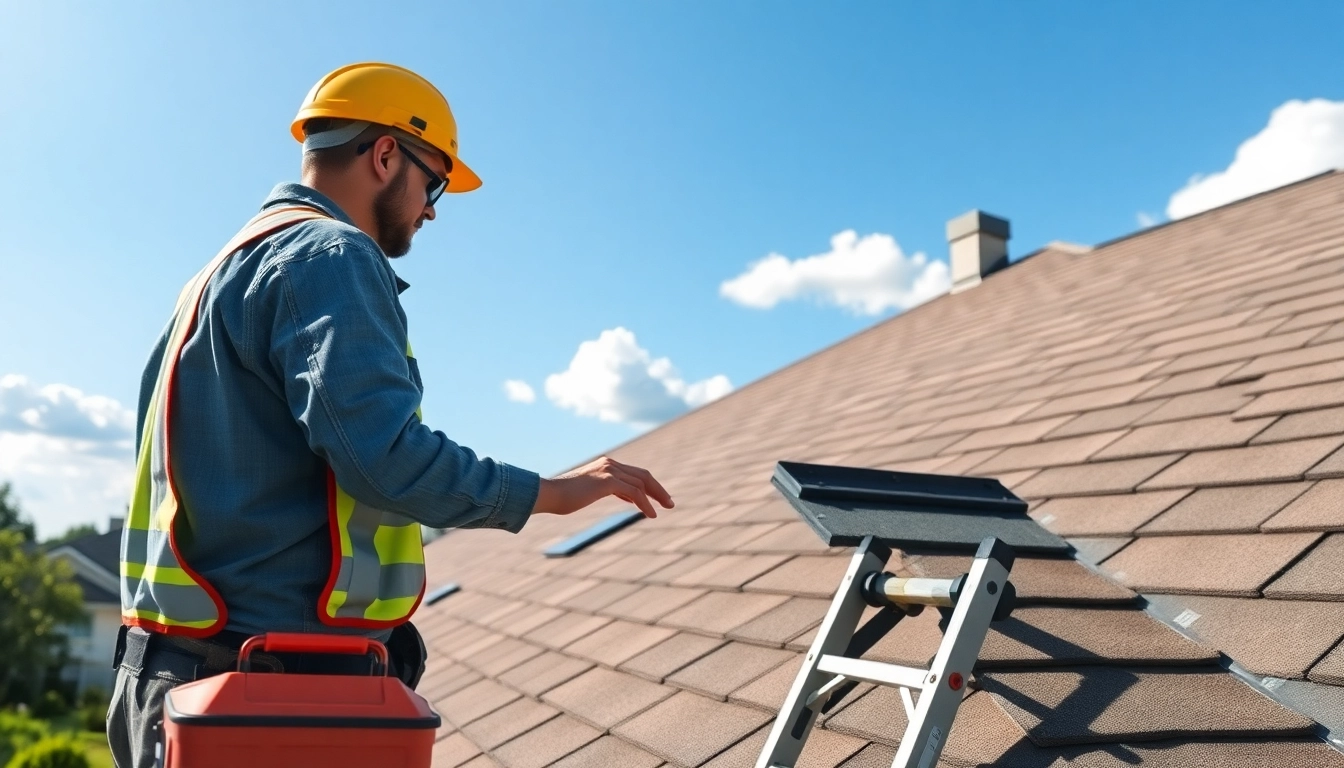
- Asphalt Shingles: Widely used due to their affordability and effectiveness, asphalt shingles provide sturdy protection against the elements.
- Metal Roofing: Known for its durability and aesthetic appeal, metal roofs can last 50 years or more when properly installed.
- Clay and Concrete Tiles: These materials offer impressive durability and are often used in warmer climates for their thermal properties.
- Slate Roofing: Highly regarded for aesthetics and longevity, slate offers a lifespan of over 100 years.
- Green Roofing: An innovative option, green roofs provide insulation, reduce stormwater runoff, and create green spaces.
Factors Influencing Roofing Quality
Beyond materials, several other factors can significantly impact the quality of a roofing project:
Importance of Proper Installation Techniques
The installation process greatly influences the performance and lifespan of a roof. Professional installation ensures that materials are applied correctly according to both manufacturer specifications and local building codes. Common installation issues can lead to leaks, poor ventilation, and overall structural failure, ultimately undermining the investment even with quality materials.
Assessing Material Durability
Material durability is paramount. Homeowners should consider the lifespan ratings provided by manufacturers and focus on materials tested against extreme conditions. This involves thorough research and sometimes consultation with roofing specialists who can advocate for the best options based on environmental factors in the area.
Environmental Considerations
Some roofing solutions are better suited to specific climates. For example, materials like metal or asphalt can reflect heat, contributing to energy efficiency. Similarly, materials should be resistant to mold, mildew, or rot, particularly in humid regions. Understanding local climate conditions aids homeowners in making informed decisions about the best materials for their roofs.
Common Challenges in Roofing Projects
Roofing projects can face several common challenges; however, understanding these can help homeowners better prepare:
Poor Weather Impacts on Roofing
Inclement weather can delay roofing projects or even damage materials that have been partially installed. Strategies include scheduling projects during less unpredictable seasons or monitoring forecasts to avoid installing in adverse conditions.
Maintenance Gaps Leading to Issues
Maintenance is crucial for prolonging roof lifespan. Homeowners should be proactive by scheduling regular inspections and addressing minor problems before they escalate. A maintenance plan should be established, detailing inspections at least twice a year.
Choosing the Right Contractor
Choosing the right contractor is critical. Verify credentials, insurance, and previous work and solicit references from past clients. A thorough vetting process helps ensure that your roofing project meets high standards of quality.
Best Practices for Selecting Roofing Services
When it comes to selecting roofing services, adherence to certain best practices provides better outcomes:
Evaluating Roofing Solutions and Brands
Research the types of roofs offered by contractors and evaluate their reputation in the market. Reading customer reviews and consulting the Better Business Bureau can provide insights into quality and customer service.
Questions to Ask Your Roofing Contractor
Before hiring a contractor, consider asking the following questions:
- What is your experience with the specific roofing materials I'm interested in?
- Can you provide examples of similar projects you’ve completed?
- What warranties do you offer for both materials and workmanship?
- How will you handle unexpected issues that arise during the project?
Understanding Warranties and Guarantees
Comprehending the nuances of warranties is crucial. Homeowners should seek warranties that protect against manufacturing defects and those covering installation issues. Typically, a separate labor warranty is also advisable to safeguard your investment further.
Measuring Performance and Longevity
To maximize the benefits of high-quality roofing solutions, homeowners must be equipped to evaluate the performance over time:
Key Metrics for Roofing Efficiency
Performance metrics may include energy efficiency ratings, ventilation effectiveness, and moisture resistance. Consider monitoring energy bills post-installation, as significant fluctuations can signal underlying problems.
Signs of Quality Roof Maintenance
A well-maintained roof exhibits certain characteristics, such as adequate drainage, clean gutters, and absence of any sagging or unevenness. Regular inspections should be scheduled to catch early warning signs such as damaged shingles or accumulated debris.
Long-term Cost Benefits of Quality Roofing
It is essential to undertake a cost-benefit analysis when investing in roofing. While quality roofing may demand higher up-front costs, the long-term savings on repairs, energy bills, and increased property value will often outweigh the initial investment. Energy-efficient roofs can significantly lower heating and cooling costs, further enhancing their value proposition.