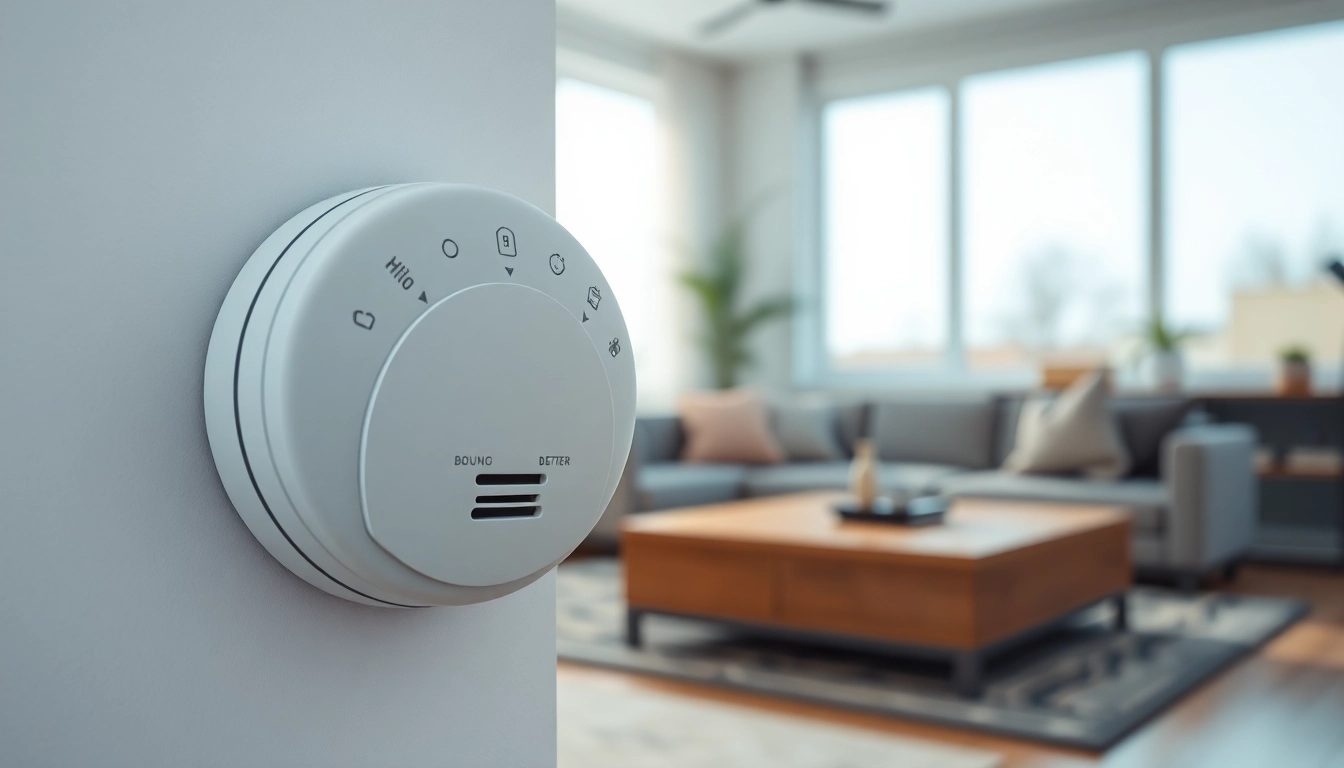
Understanding Carbon Monoxide Detectors
Carbon monoxide detectors are a vital safety feature in homes and buildings, playing a crucial role in preventing carbon monoxide (CO) poisoning. These devices are designed to alert occupants to the presence of this odorless, colorless gas, which can be lethal at high levels. Knowing why your carbon monoxide detector beeping is essential for ensuring safety and responding appropriately.
The Importance of Carbon Monoxide Detection
Carbon monoxide is produced during the incomplete burning of fossil fuels, such as gas, oil, coal, and wood. It can come from various sources, including fireplaces, gas ranges, water heaters, and vehicles. The danger lies in carbon monoxide's ability to bind with hemoglobin in the blood, effectively reducing the amount of oxygen transported to the body’s tissues and organs. This can lead to serious health risks or death. Thus, having a reliable carbon monoxide detector in place is imperative to provide early warnings and protect occupants from potential harm.
How Do Carbon Monoxide Detectors Work?
Carbon monoxide detectors typically use one of three technology types: biomimetic, metal oxide semiconductor, or electrochemical sensors. Each of these methods detects CO concentrations in the air, triggering an alarm when levels become hazardous. Biomimetic sensors change color when they absorb CO, signaling the presence of the gas. Metal oxide semiconductor detectors utilize a ceramic element that conducts electricity and changes resistance with CO exposure. Electrochemical sensors have electrodes immersed in a chemical solution that reacts to CO, generating an electric current that signals an alarm when critical thresholds are reached.
Types of Carbon Monoxide Detectors
There are several types of carbon monoxide detectors available, including:
- Battery-operated models: These are portable and may be ideal for renters and those who wish to avoid wiring.
- Hardwired detectors: These connect to the building's electrical system and often include battery backup to ensure operation during power failures.
- Smart detectors: Integrating internet connectivity, these devices can send notifications directly to your smartphone, providing real-time alerts.
- Combination smoke and CO detectors: These include functionalities for both smoke detection and carbon monoxide detection, making them efficient and space-saving alternatives.
Common Reasons for Carbon Monoxide Detector Beeping
When your carbon monoxide detector begins beeping, it can be alarming. Understanding the different reasons for this alert can assist in quickly addressing the issue.
Low Battery Indicators
The most common reason for a carbon monoxide detector's beeping is a low battery. Most models emit a chirping sound, typically at regular intervals, signaling that it's time to replace the battery. It’s important to change the batteries according to the manufacturer's recommendations, usually once or twice a year, to ensure the device operates effectively year-round.
Malfunction Alerts
If a carbon monoxide detector beeps continuously or emits a different pattern than the low battery indicator, it may be signaling a malfunction. This can happen due to electrical issues, sensor failures, or problems with the detector's circuit board. In such cases, it's crucial to refer to the manufacturer's instructions for troubleshooting or to consult a professional to ensure safety.
Environmental Factors Affecting Detectors
Environmental conditions can also affect how detectors function. High humidity, extreme temperatures, or dust accumulation may lead to false alarms. Additionally, exposure to certain chemicals and cleaning agents can affect the sensor's accuracy. If beeping occurs under these circumstances, clean the device and consider relocating it to a more suitable environment.
What to Do When Your Detector Is Beeping
It is essential to know what actions to take when your carbon monoxide detector starts beeping. Initiating the right steps could mean the difference between safety and danger.
Immediate Actions to Take
If your CO detector goes off, the first step is to take the alert seriously and evacuate all occupants from the building immediately. Once outside, call emergency services to report the situation. Do not re-enter the building until it has been declared safe by professionals. These steps are crucial for ensuring the well-being of everyone in the vicinity.
When to Replace Your Detector
Carbon monoxide detectors have a limited lifespan, typically ranging from 5 to 7 years. After this period, the sensors may become less effective or fail altogether, leading to complacency and potential risks. It’s advisable to regularly check the expiration date on your unit and replace it proactively. When purchasing a new detector, look for certified models that meet safety regulations.
Calling for Professional Assistance
If you suspect that your carbon monoxide levels are dangerously high, or if your detector is malfunctioning, it’s crucial to call for professional help. Emergency responders can assess the air quality and identify any potential sources of CO emissions. Additionally, hiring a qualified technician to inspect heating systems, appliances, and ventilation can preemptively eliminate hazards.
Preventive Measures for Carbon Monoxide Safety
Taking proactive steps can significantly reduce the risk of CO poisoning in your home. Adopting preventive measures ensures that you and your family remain safe from the dangers of carbon monoxide.
Regular Maintenance and Testing
Regular maintenance of fuel-burning appliances is crucial. Schedule annual inspections of furnaces, water heaters, and fireplaces to ensure they function properly. Homeowners should also test carbon monoxide detectors monthly. This simple action can help verify that the device operates correctly and is always ready to respond in an emergency.
Best Practices for Detector Placement
Proper placement of carbon monoxide detectors can enhance their effectiveness. Install detectors on every level of your home, especially near sleeping areas. Do not place detectors in kitchens, garages, or areas with inadequate ventilation. Following the manufacturer’s guidelines regarding placement height—generally at least five feet off the ground—can further optimize detection capabilities.
Educating Your Family on CO Safety
Educating your family about the dangers of carbon monoxide and the importance of detectors is vital. Ensure that everyone, especially children, understands what the beeping means and what actions to take in the event of an alarm. Role-playing emergency scenarios can reinforce this knowledge and help prepare your family for real-life situations.
Understanding CO Poisoning Risks
While preventive measures and detectors are essential, it’s equally important to understand the risks associated with carbon monoxide exposure. Being aware of these dangers can drive home the need for diligence in safety measures.
Symptoms of Carbon Monoxide Poisoning
The symptoms of carbon monoxide poisoning can mimic those of other illnesses, making it essential to recognize them. They include:
- Headaches
- Shortness of breath
- Dizziness
- Nausea or vomiting
- Confusion or disorientation
If you experience any of these symptoms while indoors, evacuate immediately and seek medical attention, as high levels of carbon monoxide can lead to severe or fatal outcomes.
Long-term Health Effects
Long-term exposure to low levels of carbon monoxide can lead to chronic health issues, such as cognitive impairments, heart problems, and neurological damage. Safeguarding against CO exposure is essential to maintaining overall health and well-being, particularly for vulnerable populations, including children, pregnant women, and individuals with pre-existing health conditions.
Emergency Protocols for Carbon Monoxide Exposure
Having an emergency protocol in place can be lifesaving. Upon evacuation, ensure that all persons affected seek medical attention promptly, particularly if they have shown symptoms of CO exposure. Informing medical personnel of suspected CO exposure will help them prepare for appropriate treatment, often involving oxygen therapy to help mitigate the effects of poisoning.