
What is Mediation?
Definition and Purpose of Mediation
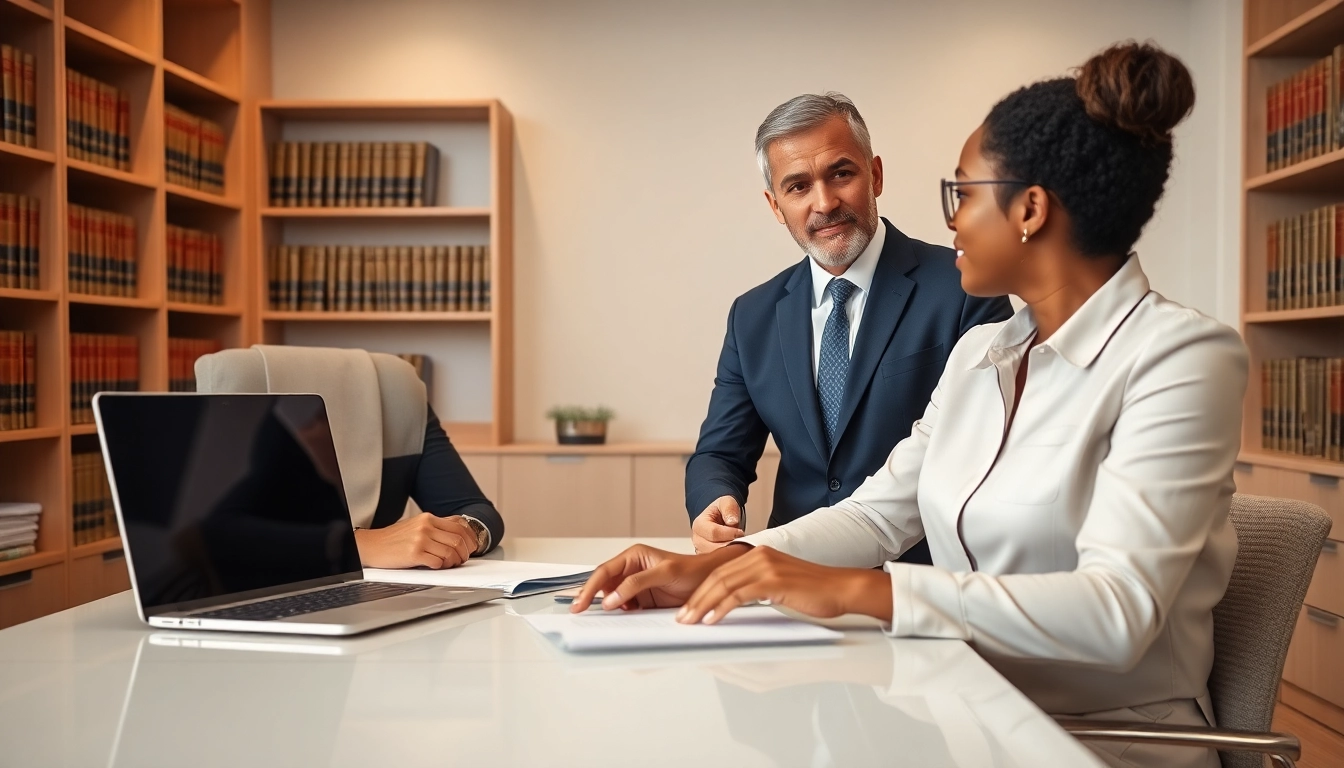
Mediation is an alternative dispute resolution (ADR) method where a neutral third party, known as a mediator, facilitates communication between conflicting parties to help them reach a mutually satisfactory agreement. Unlike in a court setting, the mediator does not make decisions for the parties involved but instead guides them towards a resolution. The primary purpose of mediation is to provide a more amicable and cost-effective means of resolving disputes, preserving relationships in the process. Individuals seeking solutions through Mediation can expect a more collaborative approach compared to traditional litigation.
Benefits of Mediation in Conflict Resolution
Mediation offers several advantages over other methods of conflict resolution. One of the most significant benefits is its ability to foster communication. During mediation, parties are encouraged to express their feelings and perspectives, which can lead to a better understanding of the underlying issues. This can be especially important in conflicts involving personal relationships or ongoing business partnerships.
Another notable benefit is the confidentiality that mediation provides. Unlike court proceedings, which are public, mediation sessions are private, allowing parties to discuss sensitive issues without fear of public scrutiny. This confidentiality often leads to more open dialogue and creative solutions.
Certainly, mediation is generally faster than traditional litigation. It can often resolve issues within a few hours or days, whereas court cases can drag on for months or even years. This quick resolution not only saves time but also reduces costs related to legal fees and other expenses.
Additionally, mediation empowers individuals by giving them control over the outcome. They are active participants in the resolution process, allowing them to craft solutions that work for their unique situations.
Mediation vs. Other Dispute Resolution Methods
Understanding the differences between mediation and other dispute resolution methods, such as arbitration and litigation, is crucial. Mediation is non-binding, meaning that any agreement reached is voluntary and can be revisited if necessary. In contrast, arbitration typically results in a binding decision made by the arbitrator, and litigation involves a judge or jury making a final decision in a courtroom, which can often feel adversarial.
Moreover, mediation focuses on collaboration rather than competition, encouraging a win-win approach that is beneficial for all parties involved. On the other hand, litigation is often a win-lose scenario, creating adversarial conditions that may impair relationships irreparably.
The Role of the Mediator
Responsibilities and Skills of a Mediator
A mediator’s primary responsibility is to create a safe environment where both parties can communicate openly. They must remain neutral and impartial, ensuring that all voices are heard without favoritism. Successful mediators possess strong communication skills, enabling them to clarify issues, summarize discussions, and facilitate dialogue between parties.
Moreover, mediators are often skilled in conflict resolution, able to identify underlying interests and needs that might not be apparent at first. They must also be proficient in maintaining the focus of the discussion, redirecting conversations that veer too far off-topic.
Types of Mediators and their Specializations
Mediators come in various types, specializing in different fields such as family disputes, commercial disagreements, and labor relations. Family mediators often deal with divorce settlements, child custody arrangements, and inheritance disputes, while commercial mediators may focus on business negotiations or contract disputes. Labor mediators generally handle issues between employers and employees, such as workplace conflicts or union negotiations.
Each specialization requires unique knowledge and skills, as the dynamics of the conflicts can vary greatly depending on the context. For example, a family mediator may need skills in emotional intelligence to navigate sensitive personal issues, while a commercial mediator may benefit from a strong understanding of business law and practices.
Building Trust in Mediation Relationships
Trust is essential in mediation; without it, parties may be reluctant to share their true feelings or reach an agreement. Mediators foster trust by demonstrating confidentiality, respect, and empathy throughout the mediation process. It is essential for the mediator to establish rapport early in the sessions, encouraging open communication and ensuring that parties feel safe expressing their concerns and desires. Furthermore, mediators should emphasize that their role is to assist in the process, not to direct it or impose solutions.
The Mediation Process
Steps Involved in Mediation
The mediation process typically involves several key steps. The first step is the initial meeting, where the mediator explains the process to the parties and sets the ground rules for communication. This is followed by joint sessions where all parties come together to discuss the issues at hand. After the initial conversations, the mediator may move to separate sessions, known as caucuses, where they meet with each party individually to delve deeper into their interests and concerns.
The mediator will then help the parties brainstorm potential solutions, guiding them towards finding a mutually acceptable resolution. If an agreement is reached, the mediator will assist in drafting a written agreement that outlines the terms of the resolution, ensuring that all parties are clear on their commitments.
Preparation for a Successful Mediation
Preparation is key for successful mediation. Parties involved should take time to reflect on their interests and objectives prior to the session. Creating a list of issues to discuss can provide clarity and direction during the mediation. It can also be helpful for parties to explore possible solutions beforehand, considering what compromises they are willing to make to reach an agreement.
Additionally, choosing a suitable mediator who specializes in the relevant subject matter can enhance the chances of a successful resolution. Parties should feel comfortable and confident in the mediator’s ability to guide them through the process.
Techniques Used during Mediation Sessions
Various techniques can be employed during mediation sessions to facilitate dialogue and promote understanding. One commonly used approach is active listening, where the mediator encourages parties to listen to each other without interruption. This technique fosters empathy and helps clarify misunderstandings. Another effective technique is reframing, which involves restating a party’s perspective in a more neutral manner, allowing both parties to see the issues from a different angle.
Additionally, brainstorming sessions can be beneficial, encouraging creative solutions that may not have been considered initially. Mediators can also use role-reversal exercises, where parties are encouraged to express the other party’s viewpoint, fostering greater empathy and understanding.
Common Challenges in Mediation
Addressing Power Imbalances
One common challenge in mediation is the potential for power imbalances between the parties. When one party holds more power—be it financial, emotional, or social—it can create an uneven playing field that hinders effective negotiation. Mediators must be vigilant in recognizing these imbalances and work to create a space where both parties feel empowered. This might include adjusting the mediation format, ensuring that both parties have equal opportunities to speak, or employing techniques that allow the less powerful party to voice their concerns more effectively.
Dealing with Emotionally Charged Situations
Many conflicts are rooted in deep emotions, making it challenging to facilitate productive discussions. Mediators must be adept at managing these emotional dynamics, often taking time to allow parties to express their feelings before diving into the substantive issues. Techniques such as active listening or validating expressed emotions can help create a safe space for dialogue. Additionally, it may be necessary for mediators to steer discussions away from unproductive emotional exchanges while still addressing the feelings involved.
Overcoming Communication Barriers
Effective communication is paramount in mediation, and various barriers can hinder this process. These barriers can include misunderstandings, varying communication styles, or even language differences. Mediators play a crucial role in bridging these gaps; they can clarify statements, encourage patience, and create an environment where all parties feel comfortable articulating their viewpoints. It may also be beneficial to utilize visual aids or written summaries to help clarify discussions.
Measuring the Success of Mediation
Evaluating Outcomes and Effectiveness
Success in mediation is often gauged not just by whether an agreement has been reached, but by the durability and satisfaction with that agreement. After mediation sessions, parties should reflect on the outcome and assess whether their needs were adequately addressed. Surveys can be an effective method for measuring participant satisfaction, providing useful insights into both the process and the outcomes.
Feedback Mechanisms post-Mediation
Collecting feedback post-mediation is essential to enhance the effectiveness of future sessions. Mediators can distribute questionnaires to participants to gain insights into their experiences. This feedback can cover aspects such as the mediator’s performance, the clarity of the communication, and overall satisfaction with the process. Analyzing this data can help mediators refine their techniques and improve the mediation process over time.
Long-term Impact of Mediation on Relationships
One of the major advantages of opting for mediation is the potential for positive long-term impact on relationships. Because mediation encourages collaboration and understanding, participants often leave with a sense of closure and a clearer path forward. Unlike traditional litigation, which can lead to resentment and lasting animosity, mediation often fosters better communication and a foundation for ongoing partnerships. Successful mediation can even enhance future interactions, as parties learn to approach conflicts with the skills developed during the process.
FAQs about Mediation
What types of disputes can be resolved through mediation?
Mediation is suitable for various disputes, including family matters, business disagreements, workplace conflicts, and community issues. It works well for situations where parties wish to preserve relationships.
How long does mediation typically take?
The duration of mediation varies based on the complexity of the issues involved. Most sessions can be completed in a few hours, but multiple sessions may be necessary for more complex disputes.
Is mediation mandatory?
Mediation is usually voluntary, but some legal systems may require parties to undergo mediation before proceeding to court. This is aimed at reducing the burden on the judicial system.
Can a mediator make decisions for the parties?
No, mediators do not make decisions. Their role is to facilitate dialogue and assist parties in reaching their agreement. The decision-making power rests entirely with the parties involved.
What if the parties do not reach an agreement?
If no agreement is reached, parties can choose to pursue other methods of dispute resolution, such as arbitration or litigation. Mediation often still helps clarify issues and improve communication for future discussions.