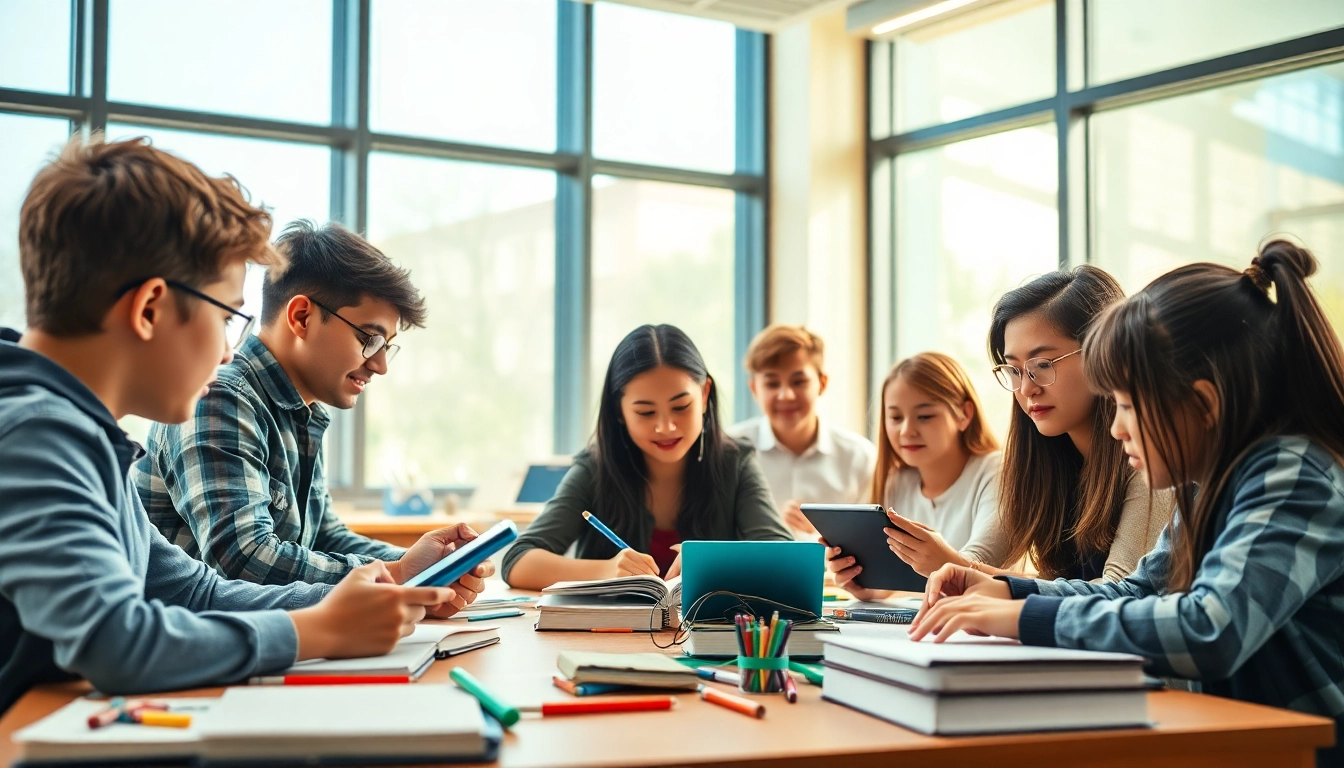
Understanding Education: Definition and Importance
Education encompasses the structured and systematic transmission of knowledge, skills, and cultural norms from one generation to the next. The significance of Education extends far beyond mere academic achievement; it plays a crucial role in shaping individuals and societies. By fostering critical thinking, creativity, and ethical considerations, education equips individuals to navigate an increasingly complex world.
The Role of Education in Society
Education serves as the foundation of a well-functioning society. It cultivates informed citizens who can engage in civic duties and contribute to their communities. Through education, individuals learn to communicate effectively, develop problem-solving skills, and engage in lifelong learning. This not only enhances personal development but also drives economic growth and social stability.
Key Components of Effective Education
Effective education comprises several key components:
- Qualified Educators: The expertise and dedication of teachers significantly influence student success.
- Curriculum Relevance: A curriculum that reflects real-world applications helps students connect theory to practice.
- Supportive Learning Environments: Safe and engaging learning spaces promote better educational outcomes.
- Parental and Community Involvement: Collaboration between educators, families, and communities enhances student motivation and achievement.
The Evolution of Educational Methods
Educational methods have evolved dramatically over the centuries, from the classical rote learning of ancient civilizations to contemporary approaches that emphasize experiential learning and critical thinking. The Industrial Revolution introduced mass education, while the advent of technology has further transformed how knowledge is disseminated. Today, educational methodologies encompass traditional, online, blended, and experiential learning models.
Types of Education Systems
Formal Education vs. Informal Education
Education can be broadly classified into formal and informal types. Formal education typically takes place within structured institutions, following prescribed curricula and recognizing academic achievements through degrees and certifications. It encompasses primary, secondary, and higher education systems. On the other hand, informal education occurs outside traditional classrooms and may include self-directed learning, experiential learning, and community-based programs.
Alternative Education Approaches
Alternative education approaches have gained traction as viable options to conventional schooling. These include Montessori, Waldorf, and experiential learning environments. Such methods often prioritize individualized instruction and holistic development, focusing on social, emotional, and cognitive growth, rather than solely academic achievement.
Global Education Systems and Their Impact
Education systems worldwide vary significantly in structure, curriculum, and pedagogy. Countries like Finland are celebrated for their less formal, student-centered approaches, while others maintain rigorous standardized testing. The impact of these differences is profound, influencing literacy rates, workforce readiness, and overall societal well-being. Understanding these diverse systems can provide valuable insights into improving global education practices.
Challenges in Modern Education
Technological Barriers and Solutions
As technology increasingly integrates into educational practices, several barriers emerge. Poor infrastructure, limited access to digital tools, and the digital divide hinder equitable education. Schools must prioritize investment in technology and provide training for educators to utilize digital resources effectively. Solutions may include partnerships with tech organizations, grant funding, and community engagement to bridge these gaps.
Equity and Accessibility Issues
Equity in education remains a critical challenge worldwide. Many students face barriers related to socioeconomic status, ethnicity, and geographical location. Strategies to promote equity include implementing inclusive curricula, providing resources for underserved communities, and fostering a diverse educational workforce that reflects the population's demographics.
Adapting to Changing Educational Needs
The rapid global changes in technology and society necessitate a flexible approach to education. Schools must be proactive in adapting their curricula to meet evolving job market demands, such as critical thinking, emotional intelligence, and technological proficiency. Continuous professional development for educators is essential to ensure they can equip students with the skills necessary for success in an unpredictable future.
Innovative Strategies for Enhancing Education
Integrating Technology in Classrooms
The integration of technology into the classroom can enhance engagement and facilitate personalized learning. Tools such as interactive whiteboards, educational software, and online learning platforms create opportunities for students to learn at their own pace. Furthermore, flipped classrooms allow students to explore new topics at home and engage in hands-on activities during school hours, fostering deeper understanding.
Promoting Critical Thinking and Creativity
To cultivate critical thinking and creativity, educators can implement project-based learning, inquiry-based learning, and collaborative activities. These methodologies encourage students to explore problems, ask questions, and work together to find solutions. Incorporating arts and humanities into STEM education can also foster creativity and inspire innovative thinking.
Collaborative Learning Techniques
Collaborative learning empowers students to work together towards common goals. Techniques such as group projects, peer teaching, and cooperative learning not only build teamwork skills but also enhance communication and empathy. Educators can create opportunities for collaboration through digital platforms, allowing students to connect with peers from diverse backgrounds and experiences.
Measuring Success in Education
Key Performance Indicators in Education
Measuring success in education involves a comprehensive evaluation of various key performance indicators (KPIs). These include student attendance rates, graduation rates, standardized test scores, and post-secondary enrollment rates. While quantitative metrics are crucial, they should be complemented with qualitative assessments, such as student and teacher feedback, to provide a holistic view of educational effectiveness.
Assessing Student Engagement and Outcomes
Engagement is a critical factor in successful education. Methods for assessing student engagement may include surveys, classroom observation, and analyzing participation levels in discussions and activities. Understanding how engaged students are can inform instructional practices and lead to improved learning outcomes.
Future Trends in Educational Assessment
The future of educational assessment is leaning towards more personalized and adaptive testing methods. Innovative technologies, such as artificial intelligence, can help customize assessments to meet individual student needs and learning styles. Additionally, the focus is shifting from high-stakes testing to more formative assessments that provide ongoing feedback and encourage growth.