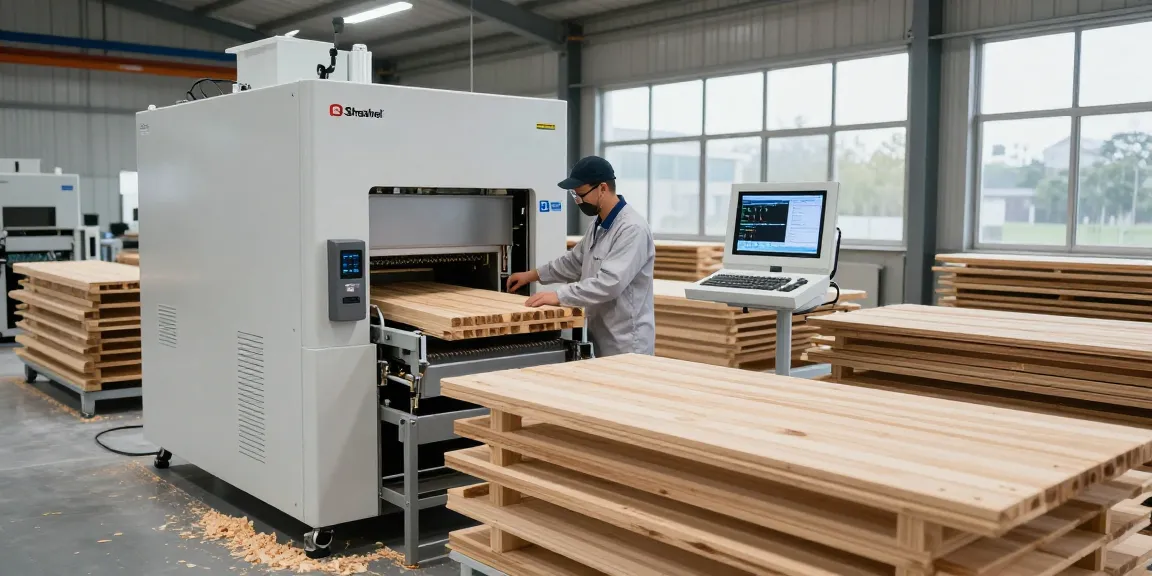
Understanding Shashel Technology for Pest Control
Pest control has evolved significantly over the years, yet the challenge of effectively eliminating wood pests, such as wood-boring beetles, remains a pressing concern for both commercial and residential settings. Traditional methods often involve chemical treatments that pose various risks. This is where Shashel comes into play, offering a groundbreaking solution through its microwave technology. This innovative approach not only ensures faster pest elimination but also preserves the integrity of wooden structures, making it a game-changer in the pest control industry.
What is Shashel Microwave Technology?
Shashel microwave technology is an advanced pest control method that utilizes the power of microwaves to target and eliminate pests hiding within wood. This high-frequency technology works by generating heat that affects the moisture within the cells of the wood, causing insects, particularly larvae, to die without damaging the wood itself. Unlike traditional methods that may rely on harmful chemicals, Shashel's approach is eco-friendly and insures a healthier environment. The science behind microwaves is simple yet effective: as the microwaves penetrate the wood, they cause rapid dehydration of the pests, leading to their swift elimination.
How Does Microwave Pest Elimination Work?
The process of microwave pest elimination involves positioning the infested wooden items within a specially designed chamber that emits microwaves. The equipment is designed to ensure that the microwaves penetrate deeply into the wood, reaching every part where pests may be hiding. As the microwaves generate heat, moisture evaporates, creating an inhospitable environment for pests. This method is not only effective but also incredibly quick, resulting in total pest elimination in just a few minutes.
Key Benefits of Using Shashel Equipment
- Rapid Elimination: Achieves total pest eradication in minutes.
- Environmentally Friendly: Reduces reliance on harmful chemicals, promoting sustainable practices.
- Preserving Wood Quality: Maintains the structural integrity and aesthetic appeal of wood.
- User-Friendly: Simplified operation allows for easy use without special training.
Why Traditional Pest Control Methods Fall Short
Despite the variety of pest control methods available, many fall short in effectively addressing wood infestations. Understanding the limitations of traditional pest control is critical for making informed decisions.
Common Challenges with Wood Infestation
Wood infestations often go unnoticed until significant damage has occurred. Pests like wood-boring beetles can live undetected within the wood, causing structural weaknesses. Their ability to reproduce and thrive in moisture-rich environments further complicates the issue, leading to extensive damage over time. Homeowners and businesses may face costly repairs if infestations are not addressed promptly.
Pitfalls of Chemical Treatments
Chemical treatments, while effective in some cases, have inherent drawbacks. These methods often require multiple applications and can pose health risks to humans and pets. Additionally, chemical residues may linger in the treated environment, impacting air quality and safety. Moreover, many pests have developed resistance to various chemicals, making traditional treatments less effective over time.
Environmental Impact of Conventional Methods
The environmental implications of conventional pest control methods are a growing concern. Chemical pesticides can leach into the soil and water supply, posing long-term ecological risks. The use of these products contributes to the broader issue of pollution and loss of biodiversity. In contrast, Shashel's microwave technology offers a sustainable approach that protects both the environment and human health.
The Benefits of Using Shashel for Wood Treatment
Shashel's microwave technology presents numerous advantages over traditional pest control methods, making it an attractive option for various applications.
Speed and Efficiency in Pest Elimination
One of the most significant benefits of using Shashel equipment is the speed at which it operates. Total pest elimination can occur in as little as 10 minutes, a stark contrast to the days or even weeks needed for chemical treatments to take effect. This efficiency is particularly beneficial for industries that require quick turnaround times, such as furniture production and restoration.
Quality Preservation of Treated Wood
Shashel technology not only eliminates pests but also preserves the quality of the treated wood. As the process is non-invasive and does not involve the use of harsh chemicals, the structural integrity and appearance of the wood remain intact. This is crucial for preserving antique furniture and maintaining the aesthetic values of wooden installations.
User-Friendly Design of Shashel Equipment
The design of Shashel equipment prioritizes ease of use. With straightforward controls and minimal setup requirements, operators can quickly learn how to utilize the technology effectively. This user-friendliness enhances operational efficiency, as less time is spent on training and more on actual pest management.
Case Studies: Success Stories with Shashel Technology
Real-world applications of Shashel's microwave technology illustrate its effectiveness across various sectors, providing a wealth of evidence in support of its benefits.
Commercial Applications in Woodwork Industry
In the woodwork industry, Shashel technology has proven instrumental in maintaining product quality. A notable case involved a large furniture manufacturer facing a significant wood-boring beetle infestation. After implementing Shashel's microwave solution, they reported a 100% eradication rate and were able to resume production without compromising wood quality or safety.
Residential Success Stories of Pest Management
Homeowners have equally benefited from Shashel technology. Many have shared success stories about eliminating pests from antique wooden furniture without damaging the pieces. These testimonials emphasize the dual advantage of effective pest control and preservation of valuable items.
Comparative Studies Against Traditional Methods
Comparative studies conducted between Shashel's microwave treatment and conventional chemical methods have shown marked superiority. Reports indicate that microwave treatments not only result in faster pest elimination but also reduce the risk of re-infestation, leading to longer-lasting results.
Future Trends in Pest Control Technology
As the pest control industry evolves, several trends are emerging that will shape the future of pest management technology, particularly in relation to Shashel's contributions.
Innovations in Microwave Applications for Pest Management
Future advancements in microwave technology may enhance its applications beyond wood treatment, potentially extending to agricultural uses where crop infestations are a concern. The versatility of microwaves could revolutionize how pest management is approached in various sectors.
Predicted Developments in Sustainable Practices
Sustainability will remain a driving force in pest control innovations. As awareness grows regarding ecological impacts, methods like Shashel's will likely see increased adoption. The shift towards environmentally friendly practices will become a standard expectation among consumers and businesses alike.
Industry Insights on Emerging Technologies for 2026
Looking ahead to 2026, emerging technologies such as automated pest detection and integrated pest management solutions are expected to complement microwave technology. These innovations will offer more comprehensive approaches to pest management, focusing not only on elimination but also on prevention strategies.
What Makes Shashel Stand Out in the Market?
Shashel distinguishes itself in the market through its commitment to innovation and environmental responsibility. Its microwave technology represents a significant step forward in pest control, providing fast, efficient, and safe solutions. As the industry continues to evolve, Shashel is well-positioned to lead the charge in sustainable pest management practices.