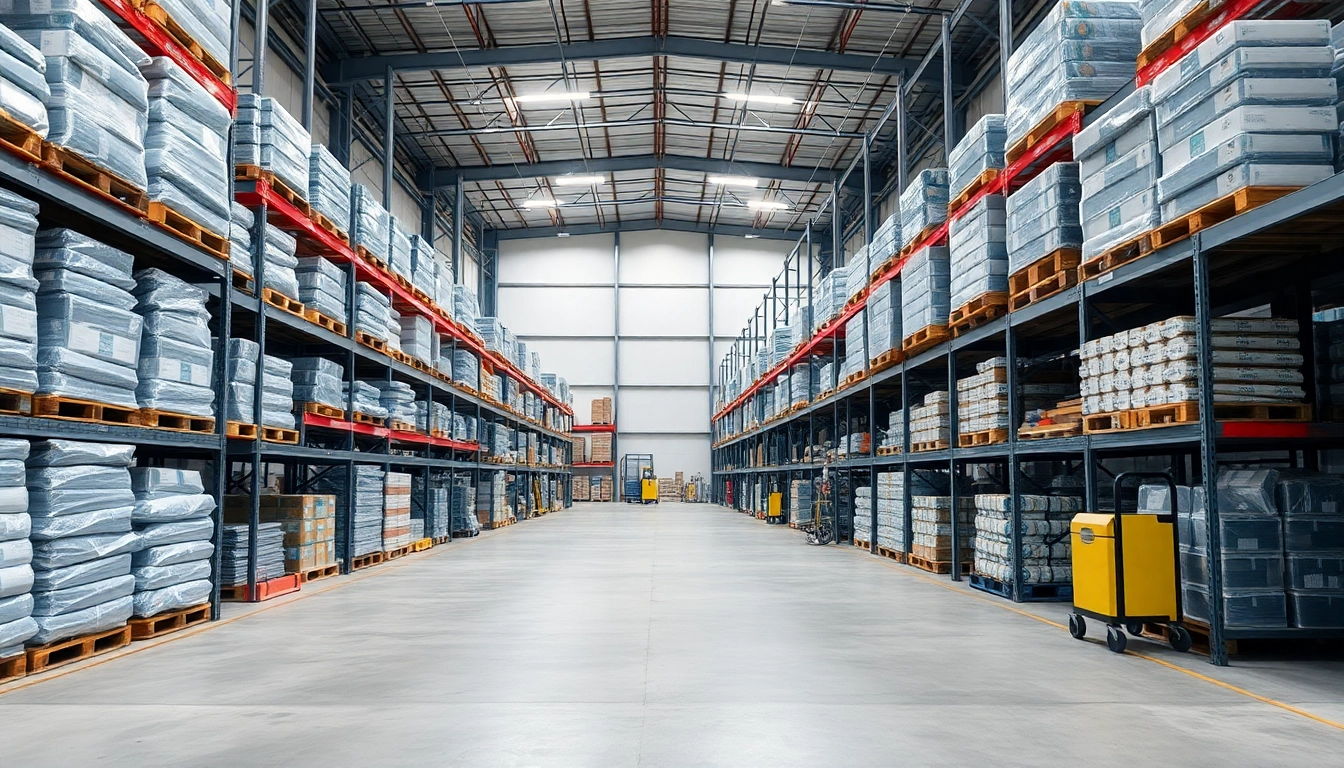
Understanding the Warehouse Concept
What is a Warehouse?
A warehouse is essentially a large building used for the storage of goods. These facilities are pivotal in various sectors, including manufacturing, retail, and logistics. They enable the organized storage and movement of items, ensuring businesses can meet customer demands efficiently. Typically, warehouses are located near major transport routes, such as highways, railroads, and ports, allowing for quick access and distribution.
At its core, a warehouse serves two primary functions: it stores goods for future use and facilitates the transition of items from production to consumption. Depending on the business model, warehouses can be tailored to handle raw materials, finished products, or a combination of both.
Types of Warehouses and Their Functions
Warehouses can be categorized based on various factors, including ownership, use, and the type of inventory they handle. Below are some of the primary types of warehouses:
- Public Warehouses: These facilities are open to businesses for renting space, making them ideal for companies that require flexible storage solutions without long-term commitments.
- Private Warehouses: Often owned or leased by companies for their exclusive use, private warehouses are tailored to meet specific operational needs.
- Distribution Centers: Focused on product distribution rather than storage, distribution centers are vital for supply chain efficiency, with a fast turnaround time between receiving and shipping goods.
- Climate-Controlled Warehouses: Specifically designed to maintain temperature-sensitive products, these warehouses are essential for industries such as pharmaceuticals or food that require strict environmental controls.
- Automated Warehouses: These warehouses utilize advanced technology, including robotics and AI, to automate processes like picking, packing, and sorting, improving efficiency and accuracy.
Each warehouse type plays a vital role in the overall supply chain, contributing to the effective management of resources and inventory.
The Importance of Warehousing in Supply Chain Management
Warehousing is not just about storage; it is an integral component of supply chain management that enhances operational efficiency. Here are some reasons why warehousing is crucial:
- Inventory Management: Warehouses allow companies to manage inventory levels, ensuring that products are available when needed while avoiding overstocking.
- Cost Efficiency: By strategically placing warehousing locations, companies can minimize transportation costs and reduce lead times.
- Customer Satisfaction: An effective warehouse operation ensures timely delivery of goods, improving customer satisfaction and retention.
- Flexibility: Businesses can adapt their warehousing strategies to accommodate seasonal demands and changing market conditions.
Ultimately, a well-managed warehouse can lead to significant improvements in logistical operations, ensuring a company remains competitive in a fast-paced market.
Key Components of Warehouse Management
Essential Warehouse Technologies
The landscape of warehousing has evolved considerably with the advent of technology. Incorporating various technologies into warehouse management stands as a cornerstone for operational efficiency. Key technologies include:
- Warehouse Management Systems (WMS): A WMS helps track inventory levels, orders, and shipments, facilitating better decision-making and operations.
- Barcode and RFID Technology: This technology enhances tracking accuracy, reduces human error, and improves inventory management.
- Automated Guided Vehicles (AGVs): These vehicles enhance material handling efficiency by transporting goods within the warehouse without human intervention.
- Cloud-Based Solutions: Leveraging cloud technology allows for real-time data access, better collaboration, and increased transparency across the supply chain.
Technology not only streamlines operations but also provides organizations with critical insights to drive performance improvements.
Warehouse Layout and Design Considerations
A well-thought-out warehouse design is fundamental to operational efficiency. Key factors to consider include:
- Storage Solutions: Choosing the right storage options, such as pallet racks, shelving, or automated systems, based on the type of inventory and space available.
- Workflow Optimization: Designing pathways for efficient movement of goods and personnel to minimize bottlenecks and improve workflow.
- Safety Regulations: Ensuring compliance with safety standards, including aisle widths and emergency exits, is crucial for employee safety.
- Future Expansion: Planning for potential growth ensures that the warehouse can adapt to changing business needs without significant redesign.
Ultimately, an efficient layout design can significantly enhance productivity and reduce operational costs.
Inventory Management Strategies for Warehouses
Effective inventory management is essential to maintain balance between supply and demand. Here are some key strategies:
- Just-in-Time (JIT): This strategy reduces inventory carrying costs by receiving goods only as they are needed in the production process.
- ABC Analysis: Prioritizing inventory based on the value it brings enables focused management of high-value items while optimizing the handling of lower-value goods.
- Cycle Counting: Regular inventory audits help identify discrepancies and maintain accuracy, ensuring optimal stock levels.
- Use of Technology: Integrating automation and WMS can streamline inventory tracking and management processes.
Proper implementation of these strategies can lead to improved efficiency, reduced costs, and better service delivery.
Best Practices for Efficient Warehouse Operations
Streamlining Processes and Workflows
Efficiency in warehouse operations can be realized through various best practices:
- Standard Operating Procedures (SOPs): Establishing clear SOPs ensures consistency in processes and helps train new employees effectively.
- Lean Warehousing: Implementing lean principles eliminates waste and optimizes operations, ensuring resources are utilized efficiently.
- Real-Time Data Sharing: Using technology to provide real-time updates can improve decision-making and proactive responses to issues.
These streamlined processes lead to reduced operational costs and improved service levels.
Employee Training and Safety Practices
An organization’s most valuable asset is its employees. Fostering a culture of safety and continuous improvement is essential:
- Comprehensive Training Programs: Regular training on equipment handling, safety protocols, and emergency procedures enhances safety awareness.
- Safety Audits: Regularly conducting safety audits can identify potential risks and ensure compliance with safety regulations.
- Engagement Initiatives: Encouraging employee feedback on processes can lead to valuable insights for continuous improvement.
By investing in employee training and safety practices, companies can reduce accidents, improve morale, and boost productivity.
Utilizing Data for Performance Improvement
Data analysis plays a critical role in optimizing warehouse operations:
- Key Performance Indicators (KPIs): Tracking KPIs such as order accuracy, inventory turnover, and throughput can offer insight into operational efficiency.
- Data-Driven Decisions: Utilizing data analytics allows for informed decision-making, identifying trends, and improving inventory management.
- Continuous Monitoring: Adopting a culture of continuous performance monitoring ensures that improvements are data-backed and actionable.
Leveraging data for performance enhancement ensures that warehouses operate at peak efficiency.
Challenges in Warehouse Management
Identifying Common Warehouse Issues
Despite best practices, warehouses face challenges that can impact efficiency:
- Inventory Inaccuracies: Discrepancies in inventory can lead to overstocking or stockouts, impacting customer satisfaction.
- Poor Layout Design: Ineffective layout designs can cause bottlenecks and slow down order fulfillment.
- Labor Issues: High turnover rates can lead to inconsistency and inefficiencies in operations.
Addressing these challenges requires active monitoring and adaptation of strategies to align with business objectives.
Overcoming Space Limitations
Many warehouses encounter space constraints that can hinder operations. Strategies to overcome this include:
- Vertical Space Utilization: Implementing tall storage systems to maximize vertical space while maintaining safety.
- Cross-Docking: Utilizing cross-docking strategies helps minimize storage time and facilitates rapid delivery.
- Decluttering: Regularly reviewing inventory can help identify slow-moving items that can be consolidated or eliminated.
Optimizing space effectively can improve warehouse throughput and operational efficiency.
Managing Seasonal Demand Fluctuations
Seasonal fluctuations can drastically impact warehouse operations. Implementing the following strategies can help manage these variations:
- Flexible Workforce: Utilizing temporary workers during peak seasons can help manage increased workloads.
- Preemptive Planning: Anticipating seasonal demand trends allows for proactive inventory management and resource allocation.
- Collaboration with Suppliers: Working closely with suppliers to ensure timely replenishment can mitigate risks associated with demand spikes.
Proactive management of seasonal fluctuations ensures that warehouses can maintain service levels throughout varying demand periods.
Future Trends in Warehouse Management
Automation and Robotics in Warehousing
The future of warehousing is increasingly leaning towards automation. Implementing automated systems and robotics can lead to:
- Increased Efficiency: Robotics can enhance picking and packing speeds, significantly reducing operational costs.
- Reduced Errors: Automation decreases human error, leading to improved accuracy in order fulfillment.
- Scalability: Automated systems can easily adapt to changing volumes, making operations more responsive to market demands.
As technology advances, the use of automation in warehousing is becoming a vital component in maintaining competitive advantage over the long term.
Green Logistics and Sustainable Practices
As businesses become more environmentally conscious, green logistics practices play a crucial role in warehousing. Implementing sustainable practices includes:
- Energy Efficiency: Utilizing renewable energy sources and energy-efficient technologies minimize the carbon footprint of warehouse operations.
- Sustainable Packaging: Emphasizing eco-friendly packaging solutions can significantly reduce waste.
- Recycling Programs: Establishing recycling initiatives within warehouse operations fosters sustainability and community engagement.
Employing green logistics not only benefits the environment but can also improve brand reputation and customer loyalty.
The Role of AI and Analytics in Warehousing
Artificial Intelligence (AI) is transforming warehouse management by providing advanced analytics and decision-making support. Key applications include:
- Predictive Analytics: AI can analyze market trends and customer behavior to forecast demand accurately, facilitating informed inventory decisions.
- Smart Inventory Management: AI-powered systems can optimize stock levels and reorder points, reducing waste and improving inventory turnover.
- Enhanced Customer Service: Automated chatbots and AI-driven communication can improve customer engagement and streamline service inquiries.
Integrating AI into warehouse management systems can significantly enhance operational performance and responsiveness to market dynamics.