Understanding Structural Steel Welding
Defining Structural Steel Welding
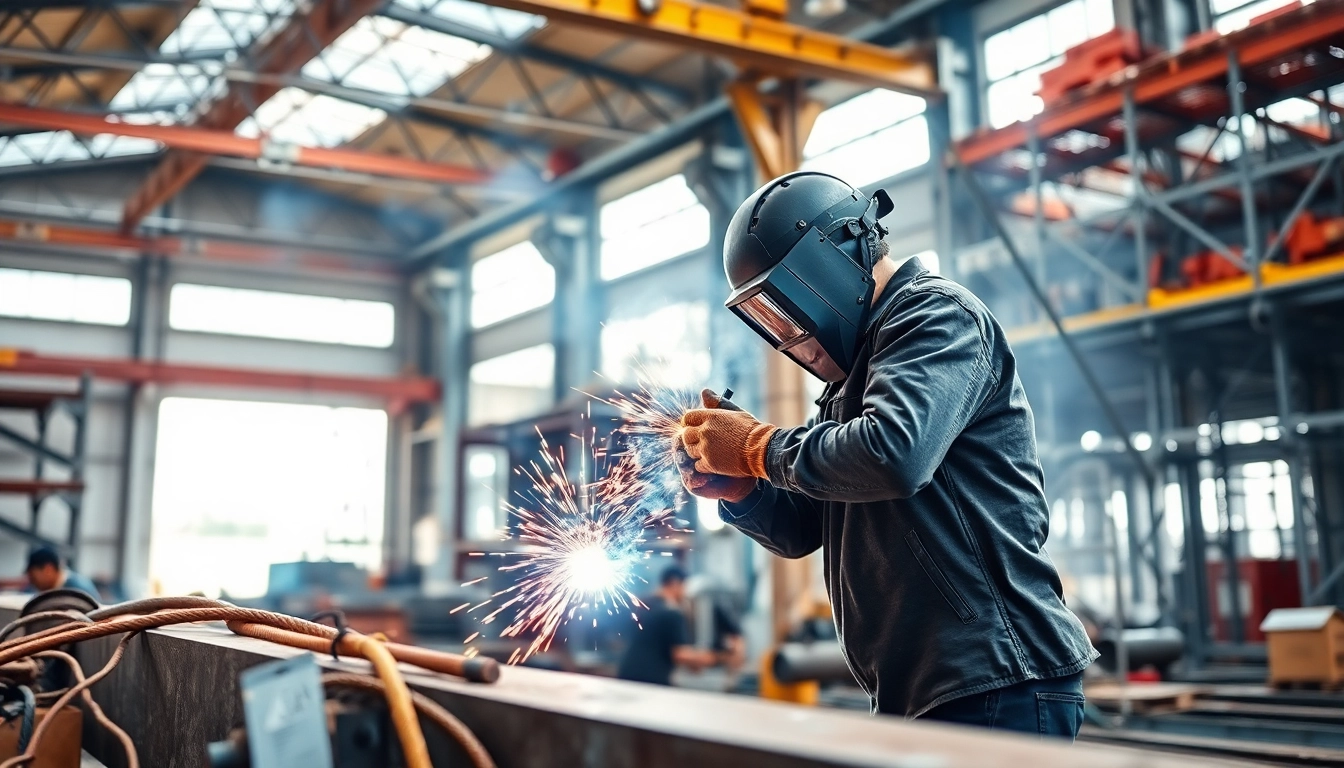
Structural steel welding is a critical technique used in the construction and manufacturing industries, enabling the joining of steel structural components to create robust frameworks. This technical process involves the application of heat to fuse metal parts, ensuring they maintain their strength and integrity under varying conditions. The result is a strong, durable joint that is essential for the structural integrity of buildings, bridges, and other infrastructures. It combines principles of metallurgy and engineering design, thus playing a vital role in every phase of modern construction.
Importance in Construction and Manufacturing
In the realms of construction and manufacturing, structural steel welding is indispensable. It not only provides the necessary strength to handle heavy loads and dynamic forces but also allows for flexibility in design. Structural welding significantly enhances the overall safety and performance of constructions while optimizing resource usage. As infrastructure needs grow globally, the significance of skilled welding becomes even more apparent, ensuring that structures not only meet design specifications but also adhere to safety standards and regulations.
Key Techniques Used in Structural Steel Welding
Several techniques are prevalent in the domain of structural steel welding, each with its unique advantages and applications. The primary techniques include Shielded Metal Arc Welding (SMAW), Gas Metal Arc Welding (GMAW), and Flux-Cored Arc Welding (FCAW). Understanding these methods helps in selecting the most efficient approach, depending on the project requirements, material characteristics, and environmental conditions.
Popular Welding Methods for Structural Steel
Manual Arc Welding Techniques
Manual Arc Welding, also known as Shielded Metal Arc Welding (SMAW), involves the use of a consumable electrode coated with flux to lay the weld. This method is favored for its versatility, allowing welders to work in various positions and conditions, making it ideal for outdoor environments. Manual arc welding produces strong and reliable welds, but it requires a skilled hand to achieve the desired quality and consistency.
Gas Metal Arc Welding (GMAW) in Practice
Gas Metal Arc Welding (GMAW), commonly known as MIG (Metal Inert Gas) welding, employs a continuous solid wire electrode and an inert shielding gas to protect the weld pool from contamination. This method is particularly useful for thin materials and offers high welding speed and cleaner welds compared to manual methods. GMAW is especially popular in factory environments where efficiency and speed are essential, though it requires specialized equipment and training.
Flux-Cored Arc Welding (FCAW) Benefits
Flux-Cored Arc Welding (FCAW) is similar to GMAW but uses flux-cored wire that can be either self-shielded or gas-shielded. FCAW is particularly advantageous for outdoor applications or when welding in challenging conditions, as it does not require external shielding gas. This method is highly efficient and can produce high-quality welds in less time, making it a favorite among industrial welders.
Common Applications of Structural Steel Welding
Use in Building Construction
Structural steel welding is a cornerstone in the construction of buildings, allowing for the assembly of steel frameworks that support various architectural designs. From residential homes to skyscrapers, welding enables the secure attachment of beams, columns, and other critical components. Effective structural welding ensures that these buildings can withstand environmental stresses such as wind, earthquakes, and heavy loads.
Bridges and Infrastructure Projects
Welding plays a pivotal role in the construction and maintenance of bridges and infrastructure. The intricate designs often require the combination of various welding methods to meet specific engineering standards. Strong, reliable welds are essential for bridges, as they must support substantial vehicular and pedestrian traffic over extended periods. The reliability of the welding directly influences the lifespan and safety of such infrastructures.
Industrial Applications and Fabrication
In industrial settings, structural steel welding is widely used for fabricating equipment, machinery, and various components utilized across different sectors. This includes manufacturing conveyor systems, frames for machinery, and supports for piping systems. The ability to customize fittings and components quickly through welding enhances operational efficiency, reduces lead times, and minimizes costs in production.
Quality Standards and Safety in Structural Steel Welding
Welding Codes and Certifications
To ensure the quality and integrity of structural steel welds, various welding codes, and standards must be adhered to. Organizations such as the American Welding Society (AWS) provide guidelines that detail the necessary qualifications for welders and the standards that welds must meet to ensure safety and reliability. Familiarity with these codes is essential for any professional involved in structural welding.
Safety Measures for Welders
The welding environment can pose significant risks, including exposure to harmful fumes, intense heat, and electric shock hazards. Proper safety measures must be implemented to protect welders and other personnel on-site. This includes the use of personal protective equipment (PPE), ventilation systems, and proper training in handling welding equipment to mitigate risks effectively.
Quality Assurance Practices
Quality assurance in structural steel welding involves extensive inspections and testing of welds to ensure they meet specified requirements. Techniques such as visual inspection, ultrasonic testing, and radiographic testing are commonly employed to detect any defects in welds. Adopting stringent quality assurance practices is crucial for maintaining structural integrity and ensuring compliance with industry standards.
Career Opportunities in Structural Steel Welding
Growth Prospects in the Industry
The demand for skilled structural welders is on the rise due to continuous infrastructure development and the growing needs of various industries. Factors such as an aging workforce, increasing construction projects, and technological advancements offer ample career opportunities for welders. As the construction industry expands, there is a significant push for standards and certifications, providing a pathway for career growth and specialization.
Skills Required for Success
Success in structural steel welding requires a combination of technical skills, attention to detail, and strong problem-solving abilities. Proficiency in different welding techniques, familiarity with blueprints and welding codes, and excellent manual dexterity are essential attributes for any welder. Additionally, ongoing education and training are necessary to stay current with industry practices and technologies.
Navigating Job Opportunities and Training Programs
Many institutions offer training programs and certifications in welding to help individuals pursue a career in structural steel welding. These programs often combine hands-on practice with theoretical knowledge, preparing trainees for various job roles in the industry. Networking with industry professionals and seeking apprenticeship opportunities can further enhance job prospects and practical experience, helping newcomers to develop valuable connections in the field.