Understanding Structural Steel Installation
What is Structural Steel Installation?
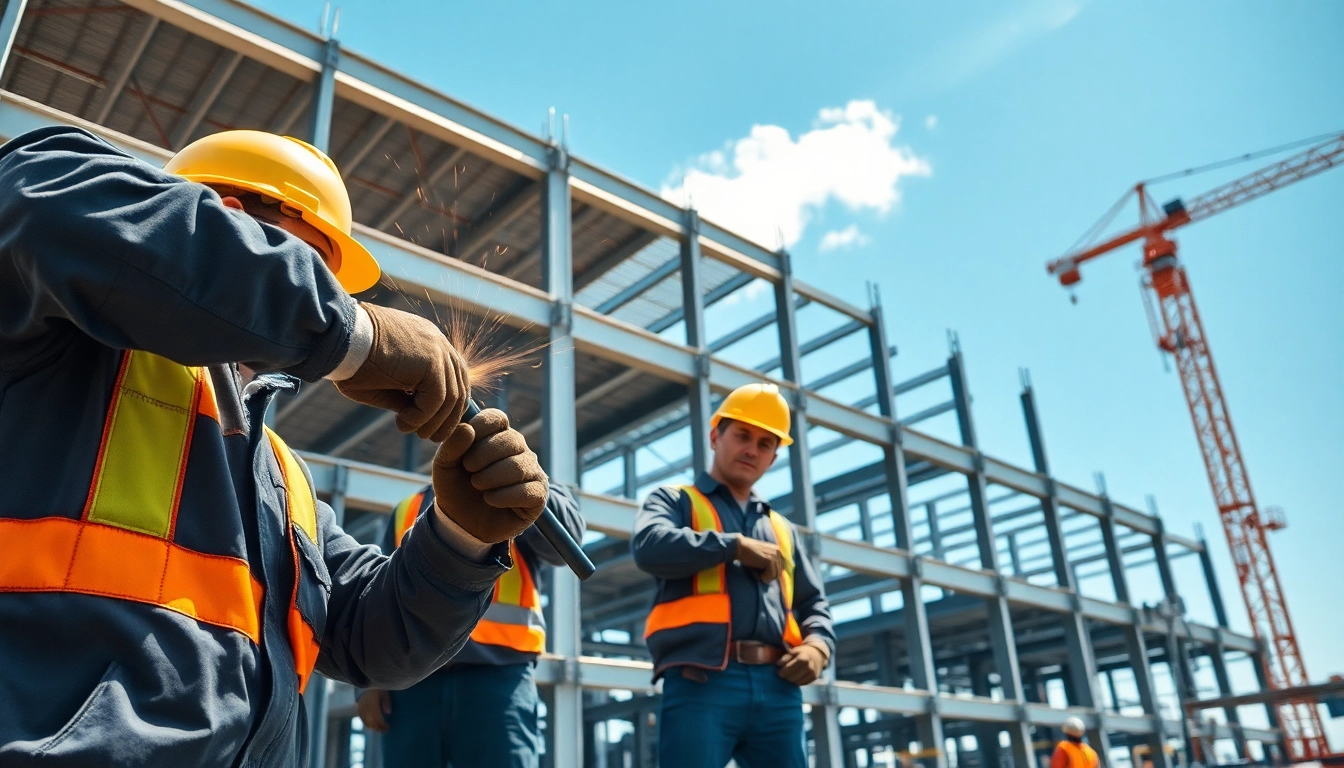
Structural steel installation is a vital process in the construction industry that involves the placement and connection of steel components to form a structure. Unlike conventional building materials, structural steel possesses remarkable strength-to-weight ratios, allowing for larger spans and reducing the amount of material needed. The complexity of this process often requires trained professionals skilled in structural engineering and installation techniques. By employing an array of methods and tools, crews work to ensure that beams, columns, and other components are accurately positioned and securely fastened, contributing to the overall integrity of the structure. Understanding these elements is essential, especially when considering projects like high-rise buildings, bridges, and industrial facilities—a comprehensive grasp of structural steel installation forms the backbone of any successful construction endeavor.
Key Benefits of Using Structural Steel
There are numerous advantages to using structural steel in construction projects, making it a preferred choice for many architects and builders. Here are some of the principal benefits:
- Strength and Durability: Structural steel can withstand heavy loads and adverse environmental conditions, which contributes to the longevity of buildings and structures.
- Design Flexibility: This material allows for versatile design options, accommodating various architectural styles and reducing limitations on building shapes.
- Cost-Effectiveness: While the initial expense may be higher compared to other materials, the durability and lower maintenance costs make it economically viable in the long run.
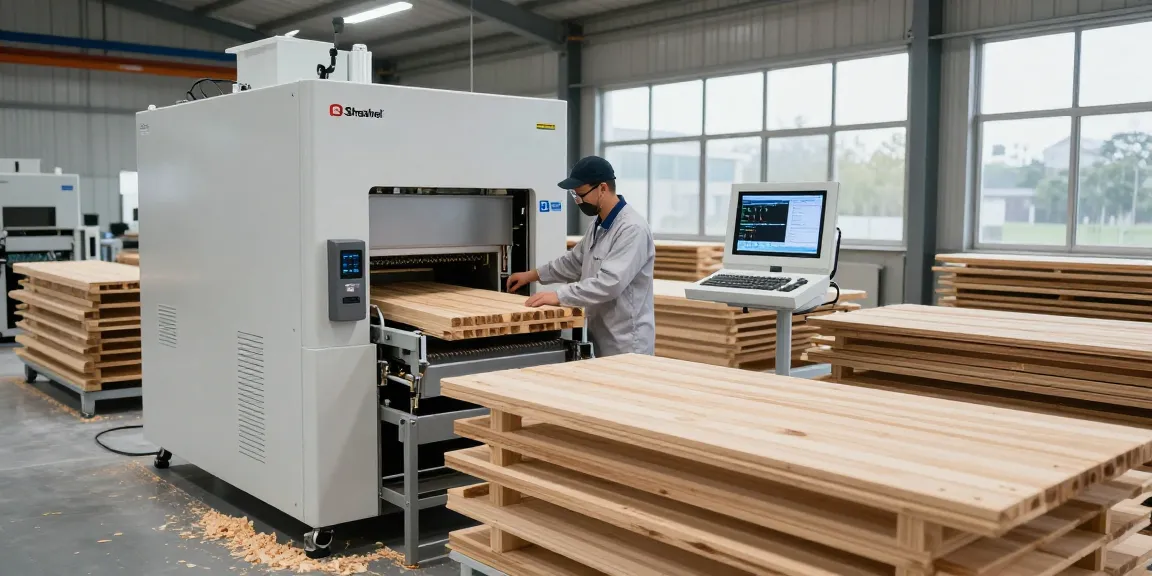
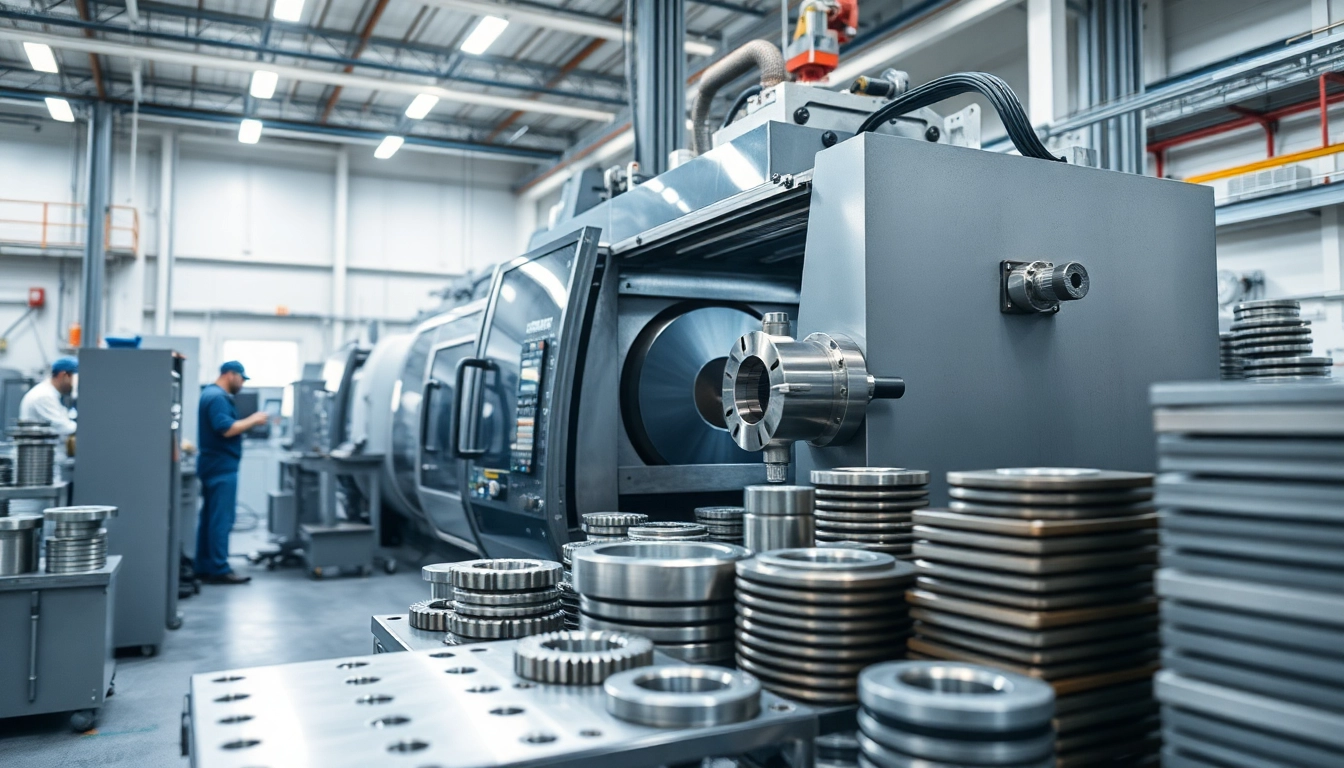
- Speed of Construction: Pre-fabricated steel components can be manufactured off-site, allowing for quicker assembly on-site, leading to reduced overall construction timelines.
- Environmentally Friendly: The steel industry embraces recycled materials, which can contribute to sustainable building practices.
Common Applications in Construction
Structural steel is utilized in a wide range of construction applications, driven by its inherent strength and versatility. Some common applications include:
- Commercial Buildings: Steel is often used in the construction of office buildings, shopping centers, and warehouses, providing the framework needed to support large spans and high ceilings.
- Bridges: Due to its tensile strength, structural steel forms the primary support for many bridges, ensuring safety and durability.
- Industrial Structures: Manufacturing facilities and power plants often rely on structural steel for frameworks due to its robustness and adaptability to heavy machinery.
- Residential Projects: From modern homes to intricate custom houses, structural steel provides a solid base and can be used for framing and roofing.
- Infrastructure Works: Steel plays a significant role in highways, railways, and airport terminals, illustrating its essential role in public infrastructure.
Planning Your Structural Steel Installation Project
Site Assessment and Preparation
The success of a structural steel installation project largely hinges on thorough site assessment and preparation. This entails a detailed evaluation of the construction site, including soil conditions, topography, and existing structures. A geotechnical investigation is often conducted to analyze the soil’s bearing capacity, which will inform the necessary foundation requirements. Proper site preparation also includes mitigating any environmental impacts, which may involve appropriate erosion control measures and dust suppression tactics to adhere to local regulations. By ensuring that the site is adequately prepared, contractors can avoid delays during installation and reduce the risk of structural failures attributed to improper groundwork.
Choosing the Right Materials
Selecting appropriate materials is crucial for the overall success of a structural steel installation project. Factors to consider include the grade of steel, connections and fasteners, protective coatings, and insulation materials. Steel grades vary in terms of yield strength and ductility; for example, ASTM A992 is a common structural steel specification used for various applications. It’s also essential to choose the right protective coatings to safeguard against corrosion, especially in environments that may expose the structure to moisture and adverse weather conditions. Collaborating with reputable suppliers can ensure the procurement of high-quality materials, significantly impacting the project's longevity.
Permits and Regulations to Consider
Compliance with local building codes and obtaining the necessary permits is fundamental in structural steel installation. This process often involves submitting plans to local authorities, ensuring that all designs meet safety regulations. Depending on the project's complexity, it may be necessary to engage with structural engineers, local inspectors, and code enforcement agencies to facilitate a smooth approval process. Understanding zoning requirements also plays a critical role, as violations can lead to delays or punitive measures against the project. By addressing these regulatory concerns upfront, project managers can save time and resources, paving the way for efficient installation.
Best Practices for Structural Steel Installation
Techniques for Accurate Measurements and Cuts
Accurate measurements and cuts are foundational to successful structural steel installation. Employing laser measurement tools and 3D modeling software can enhance precision during the planning stage, ensuring components fit as intended. Additionally, utilizing skilled labor familiar with cutting techniques is essential. Methods such as oxy-fuel cutting or plasma cutting can provide clean edges and intricate cuts. Regular calibration of cutting equipment and adherence to strict measurement protocols will diminish errors, thereby enhancing the speed and quality of the installation process.
Ensuring Safety During Installation
Safety should always be a priority during the installation of structural steel. Implementing a comprehensive safety plan that includes training, equipment checks, and adherence to Occupational Safety and Health Administration (OSHA) guidelines is imperative. Workers should always wear appropriate personal protective equipment (PPE), such as helmets, gloves, and safety harnesses, especially when working at heights. Conducting regular safety audits and encouraging a culture of safety among crew members can help reduce the risk of accidents and enhance overall site safety.
Quality Control Checks After Installation
Quality control is non-negotiable in structural steel installation, as imperfections can compromise structural integrity. It is crucial to implement systematic checks at various stages: after component delivery, during initial assembly, and before final inspection. Techniques such as visual inspections, non-destructive testing (NDT), and precise measurements can help identify any issues. Each member's alignment, connections, and coatings should be regularly evaluated against predefined quality benchmarks. Engaging third-party inspectors can provide an unbiased assessment and ensure rigorous adherence to construction standards.
Challenges in Structural Steel Installation
Common Hurdles and How to Overcome Them
Structural steel installations can present several challenges ranging from logistical issues to unforeseen site conditions. One of the most common hurdles is scheduling conflicts involving trades working simultaneously. To mitigate this, establishing a detailed project timeline and maintaining open communication between trades can facilitate better coordination. Another significant challenge is managing the transportation and crane lifting of heavy steel components. Prior planning in logistics can limit delays due to transportation mishaps or crane availability, ensuring that materials are delivered precisely when needed.
Weather and Environmental Effects
Weather conditions can greatly impact structural steel installation projects. Rain, wind, and extreme temperatures can cause safety hazards and affect material handling. To counteract these issues, project managers should keep a close eye on weather forecasts and be prepared with contingency plans. Implementing weather-responsive practices, such as altering work hours or employing temporary weather protection, can safeguard against the detrimental effects of inclement weather.
Coordination Among Various Trades
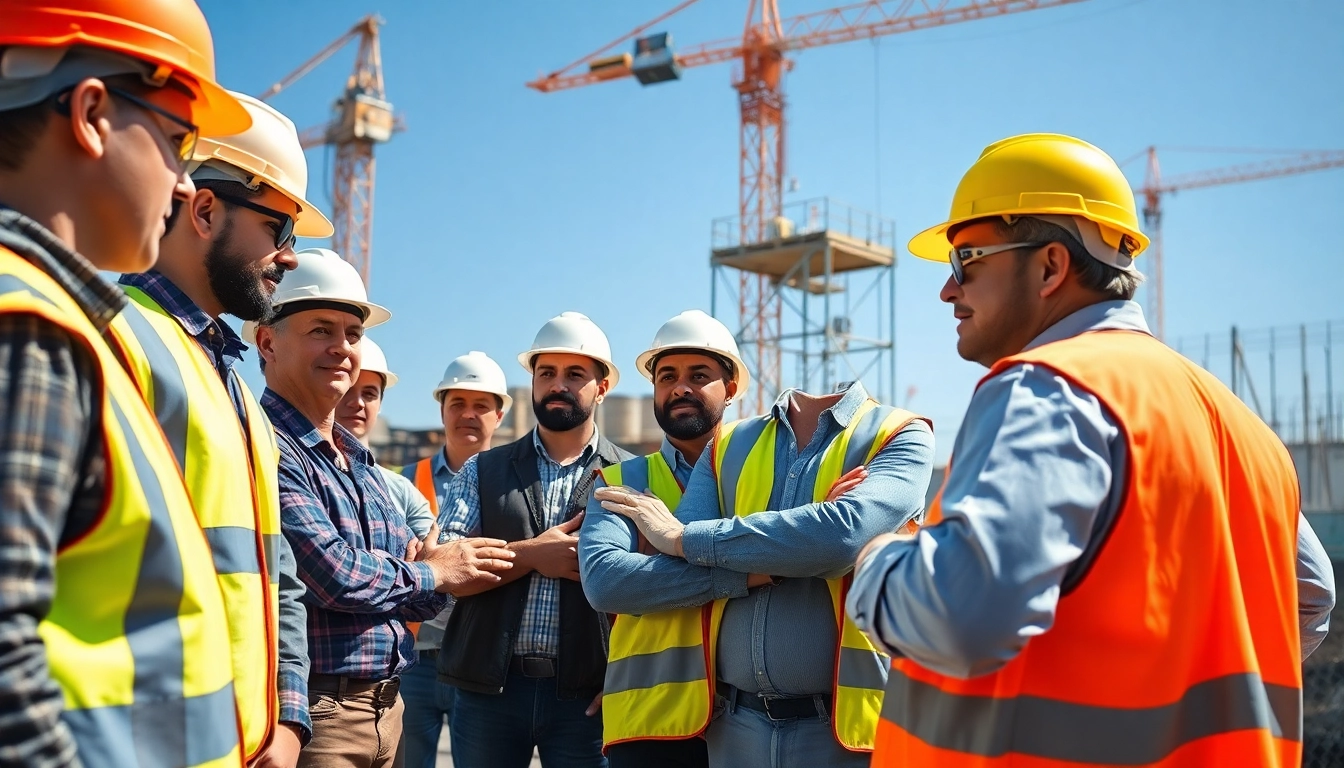
Successful structural steel installation is often contingent on effective collaboration among various trades, including electricians, plumbers, and HVAC technicians. Miscommunication regarding installations can lead to costly rework or project delays. Employing collaborative project management software can streamline communication by automatically updating everyone on project statuses and changes. Conducting regular meetings to address upcoming phases and trouble spots promotes transparency and encourages an agile response to challenges, ensuring smooth project execution.
Future Trends in Structural Steel Installation
Advancements in Technology and Equipment
The field of structural steel installation is rapidly evolving, driven by advancements in technology and equipment. Innovations such as Building Information Modeling (BIM) have enhanced design accuracy and installation processes, allowing for better visualization and planning. Robotics and automated systems are also making their way into construction, enabling precise assembly and minimizing on-site labor. The integration of drones for site surveys and monitoring presents a groundbreaking shift, providing real-time oversight that boosts efficiency and accuracy.
Green Building Initiatives and Sustainability
As the construction industry shifts toward sustainable practices, structural steel is increasingly seen as a green building material. The ability to recycle steel and the energy efficiency of steel production are attractive attributes for eco-conscious projects. Using sustainable practices in steel fabrication and installation, such as minimizing waste and utilizing recycled materials, aligns with new green building certification systems that reward eco-friendly development. As sustainability becomes a top priority in construction, embracing these trends can enhance the reputation of firms and meet client demand for greener choices.
How Prefabrication is Changing the Landscape
Prefabrication is reshaping structural steel installation by allowing components to be manufactured off-site under controlled conditions. This approach speeds up the installation process and reduces waste, contributing to overall efficiency. As modular construction gains popularity, pre-assembled modules can be transported and assembled quickly on-site, resulting in shorter project timelines and reduced labor costs. Embracing prefabrication not only enhances productivity but also paves the way for innovative construction methods that leverage advanced technology.