Understanding Custom Steel Fabrication
Definition and Importance of Custom Steel Fabrication
Custom steel fabrication is the process of creating tailored steel structures and components to meet specific design or functionality requirements. Unlike standard steel components, custom solutions are engineered to fit unique specifications, enabling versatility across various applications. This adaptability makes custom steel fabrication a cornerstone in industries such as construction, automotive, and manufacturing. As industry demands evolve, the need for these specialized fabrications continues to grow, ensuring that businesses remain competitive and meet consumer expectations. Companies looking to enhance their operational efficiency often turn to custom steel fabrication to achieve bespoke solutions tailored to their unique needs.
Benefits of Custom Steel Fabrication for Various Industries
The advantages of custom steel fabrication extend across numerous sectors. Firstly, it offers precision in design, which ensures that components fit seamlessly into existing systems, reducing installation time. Secondly, flexibility in design allows businesses to respond more adeptly to changing market conditions or specific client demands. Additionally, custom fabrication often results in enhanced durability; materials can be selected based on the projected wear and tear of the application, optimizing lifecycle performance.
For instance, in the construction industry, custom fabricated steel structures can accommodate unique architectural designs, thereby increasing aesthetic appeal while maintaining structural integrity. In the automotive sector, the ability to create lightweight yet strong components contributes to better fuel efficiency and performance.
Common Materials Used in Custom Steel Fabrication
Various materials are utilized in the realm of custom steel fabrication, each chosen for distinct properties. Common materials include:
- Carbon Steel: Popular for its tensile strength, making it ideal for heavy-duty applications.
- Stainless Steel: Known for its corrosion resistance, preferred in environments requiring hygiene and cleanliness, such as food processing.
- Alloys: Various alloys, like aluminum or copper, can enhance performance characteristics, providing lightweight solutions without sacrificing strength.
- Tool Steel: Utilized for tools and dies due to its hardness and resistance to wear, essential in manufacturing settings.
Understanding these materials is crucial for engineers and fabricators aiming to deliver optimal performance suited to the specific application.
Key Techniques in Custom Steel Fabrication
Welding Processes and Best Practices
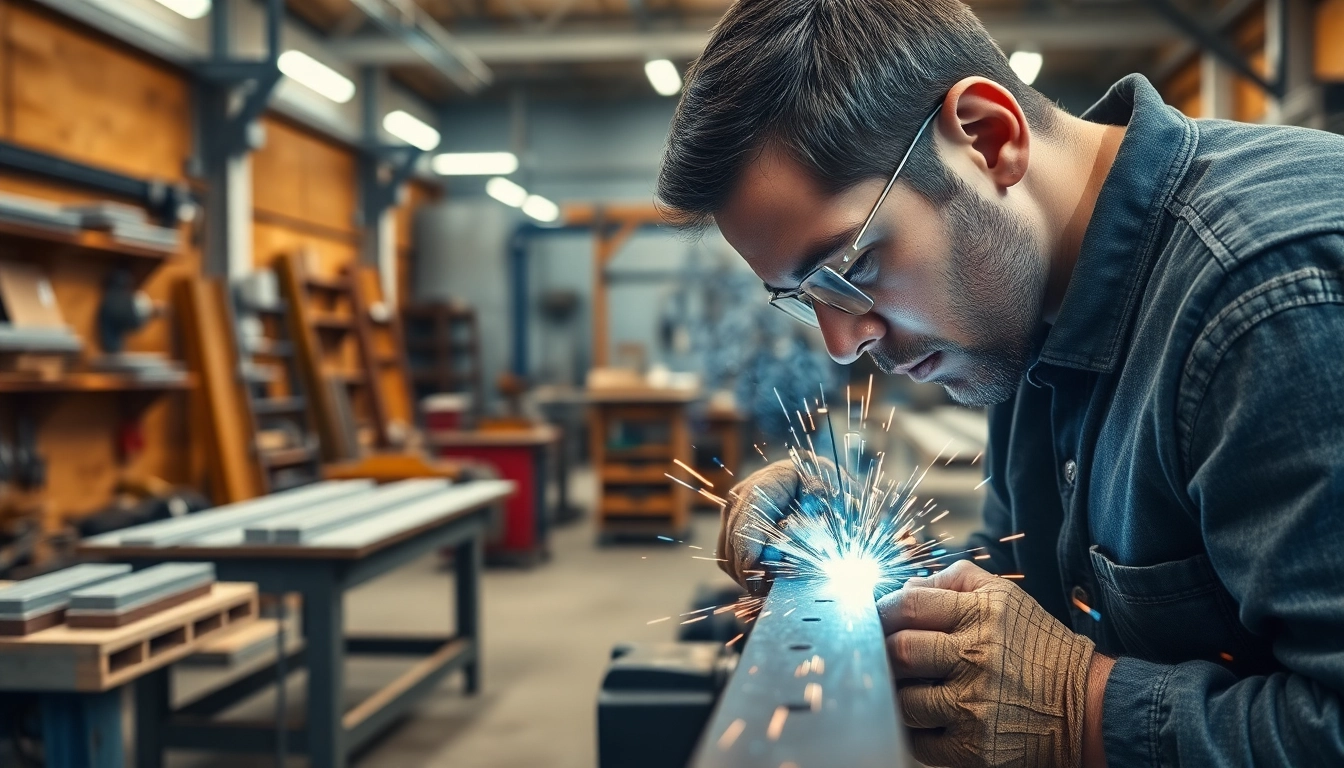
Welding is integral to custom steel fabrication, creating strong bonds between metal components. Common welding techniques include MIG (Metal Inert Gas), TIG (Tungsten Inert Gas), and Stick welding, each selected based on the project requirements. The choice of technique affects joint strength, appearance, and overall performance.
Best practices in welding involve maintaining clean surfaces, controlling heat input, and selecting the proper filler materials. Regular training for welders ensures they remain updated on advancements and safety protocols, thus maximizing productivity and minimizing errors during fabrication.
Cutting and Assembly Techniques
Cutting techniques in custom steel fabrication include oxy-fuel cutting, plasma cutting, and laser cutting. The choice of method impacts the surface finish and precision of cuts. Laser cutting, for instance, provides exceptional accuracy, reducing the need for further machining.
Assembly techniques can vary greatly but generally involve bolting, riveting, or welding components together. Efficient assembly practices reduce the time it takes to form the final product, which is valuable in fast-paced industries.
Finishing Processes for Enhanced Durability
Finishing processes play a crucial role in extending the lifespan of custom steel products. Options include powder coating, galvanizing, and painting, each providing protection against corrosion, wear, and environmental impacts. Powder coating, for example, offers a tough, durable finish without the use of solvents, promoting safe working practices and sustainability.
These finishing processes not only enhance durability but also provide aesthetic appeal, allowing businesses to present high-quality products to their customers.
Application Areas of Custom Steel Fabrication
Industrial Applications of Custom Steel Fabrication
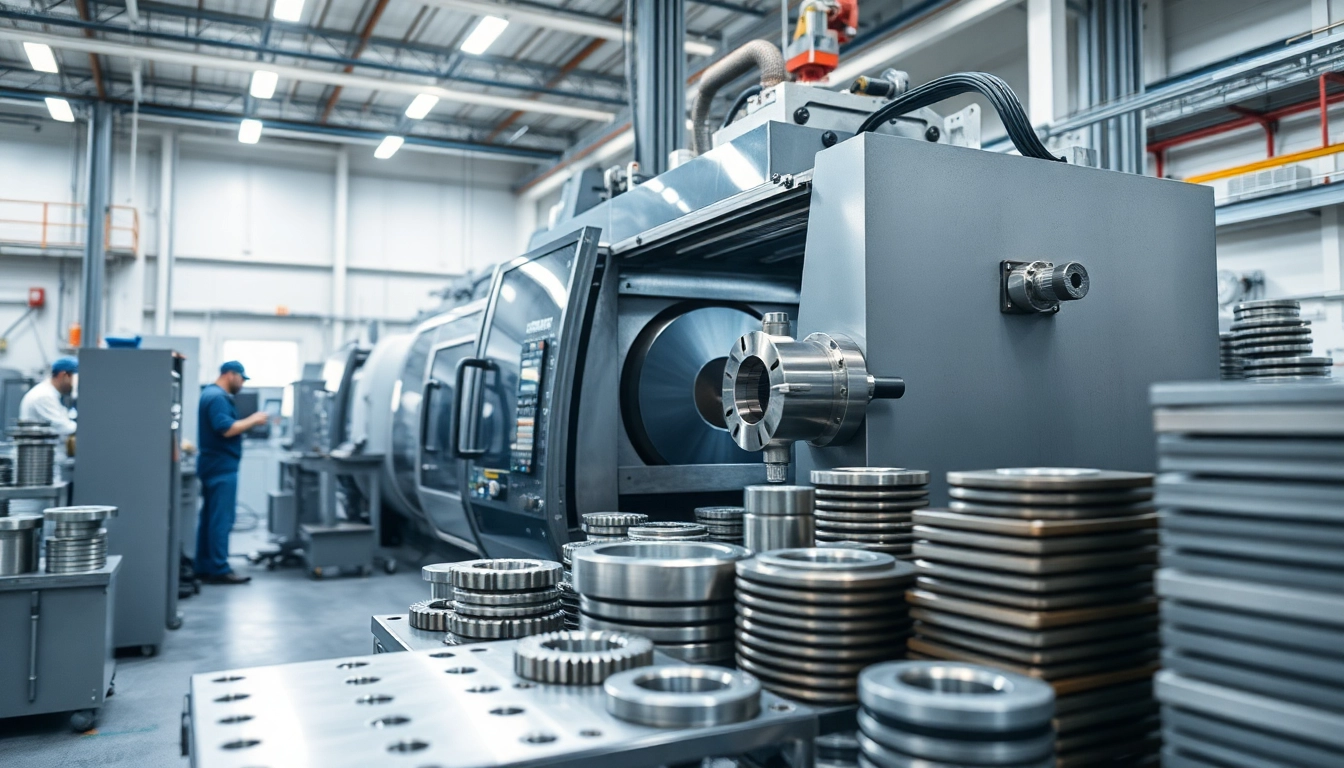
Custom steel fabrication finds extensive applications in industrial settings, ranging from machinery to storage solutions. Industrial fabricators work closely with engineers to develop products like conveyor systems, custom machine frames, and heavy equipment parts tailored to specific performance requirements, which increase operational efficiency.
In industries such as mining and energy, custom steel components are designed to withstand harsh conditions, including extreme temperatures and corrosive environments, thereby supporting continuous operation in critical sectors.
Use in Construction Projects
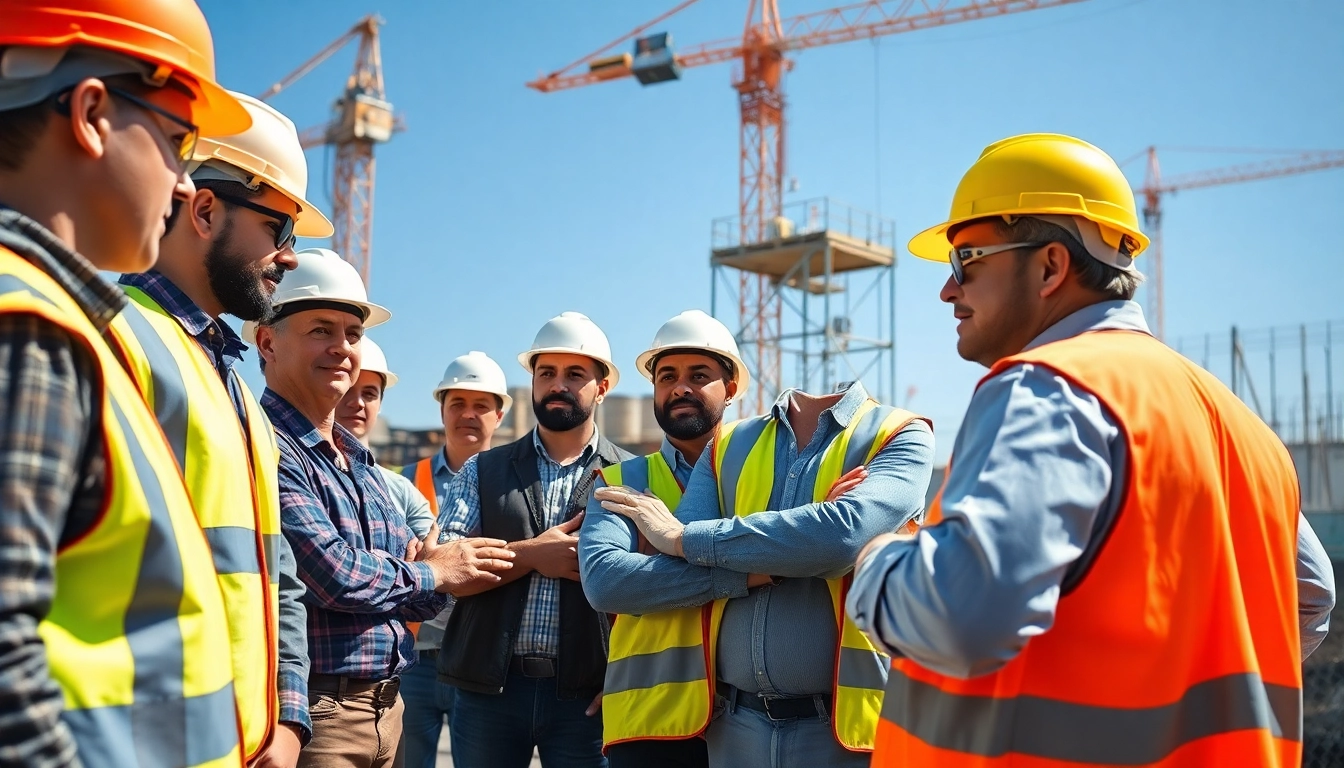
In construction, custom steel fabrication plays a pivotal role in building infrastructure, from bridges to high-rise buildings. The ability to create structural components tailored to unique architectural designs ensures that projects can pursue innovative solutions without compromising safety or functionality.
Additionally, prefabricated solutions allow for quicker assembly on-site, leading to reduced labor costs and shorter project timelines. The trend of modular construction further emphasizes the importance of custom fabrication in streamlining building processes.
Custom Steel Fabrication in Automotive Design
In the automotive sector, custom steel fabrication is essential in designing vehicles that meet modern performance standards. Fabricators utilize advanced techniques to create lightweight components that improve fuel efficiency while ensuring structural integrity and safety.
Collaboration between fabricators and automotive designers facilitates the production of specialized components, from chassis to exhaust systems, leading to enhanced vehicle performance and reduced emissions. Innovations in materials and design also play a significant role in shaping future automotive manufacturing.
Challenges in Custom Steel Fabrication
Addressing Material Sourcing Issues
One of the significant challenges in custom steel fabrication lies in sourcing the right materials. Fluctuating prices and availability can disrupt production timelines and budgets. Establishing robust relationships with suppliers and diversifying the supply chain can mitigate these risks. Additionally, considering alternative materials without compromising quality can provide viable options.
Managing Design Complexity in Projects
Custom fabrication often entails intricate designs, posing challenges in manufacturing feasibility. Utilizing CAD software can help visualize and assess designs before production begins. Early collaboration with fabricators enables adjustments to be made to simplify processes, ensuring the final product meets both design and functional requirements efficiently.
Quality Control Measures in Custom Steel Fabrication
Ensuring quality is paramount in custom steel fabrication, as subpar materials or processes can lead to structural failures. Implementing rigorous quality control measures throughout the fabrication process, including inspection at key stages, can significantly reduce defects. Technologies such as non-destructive testing offer additional layers of assurance, ensuring that components can withstand their intended applications.
Future Trends in Custom Steel Fabrication
Technological Innovations Shaping the Industry
The future of custom steel fabrication is increasingly intertwined with technological advancements. Automation and robotics are progressively being integrated into fabrication processes, enhancing precision and reducing labor costs. Additionally, advancements in 3D printing technology are opening doors for the production of complex geometries that were impossible with traditional methods, promoting greater design freedom.
Sustainable Practices in Custom Steel Fabrication
Sustainability is becoming a critical focus within the custom steel fabrication industry. Fabricators are exploring eco-friendly materials and processes, such as using recycled steel and adopting energy-efficient manufacturing techniques. Implementing lean manufacturing principles helps reduce waste and improve overall efficiency, further supporting a sustainable approach to custom fabrication.
Market Growth and Opportunities
With the global infrastructure development push, the market for custom steel fabrication is set to expand significantly. Opportunities abound in sectors such as renewable energy, where customized components for wind turbines and solar panels are increasingly in demand. Additionally, the automotive industry's transition towards electric and autonomous vehicles presents new avenues for fabricators to innovate and provide specialized solutions.
FAQs about Custom Steel Fabrication
What is custom steel fabrication?
Custom steel fabrication involves creating steel structures and components tailored to specific design and functionality requirements, enhancing versatility across industries.
Why choose custom steel fabrication over standard options?
Custom steel fabrication offers precision, flexibility in design, and enhanced durability, catering to unique project needs, thus increasing operational efficiency.
What materials are commonly used in custom steel fabrication?
Common materials include carbon steel, stainless steel, alloys, and tool steel, each chosen for specific properties suited to the application.
How do companies ensure quality in custom steel fabrication?
Companies implement rigorous quality control measures, including inspections at key production stages and advanced technologies like non-destructive testing.
What are some future trends in custom steel fabrication?
Future trends include technological innovations like automation, increased focus on sustainability, and growth opportunities in various sectors, including renewable energy.