Getting Started with Fly Fishing for Beginners
Embarking on the journey of fly fishing for beginners can be both exciting and slightly overwhelming. This unique form of fishing is distinguished by its reliance on artificial flies, which are designed to mimic the natural foods of fish. By learning the basics, from understanding the equipment to mastering techniques, you can set yourself up for a successful fishing experience. This guide will take you through everything you need to know to get started, regardless of your prior fishing experience.
Understanding Fly Fishing Basics
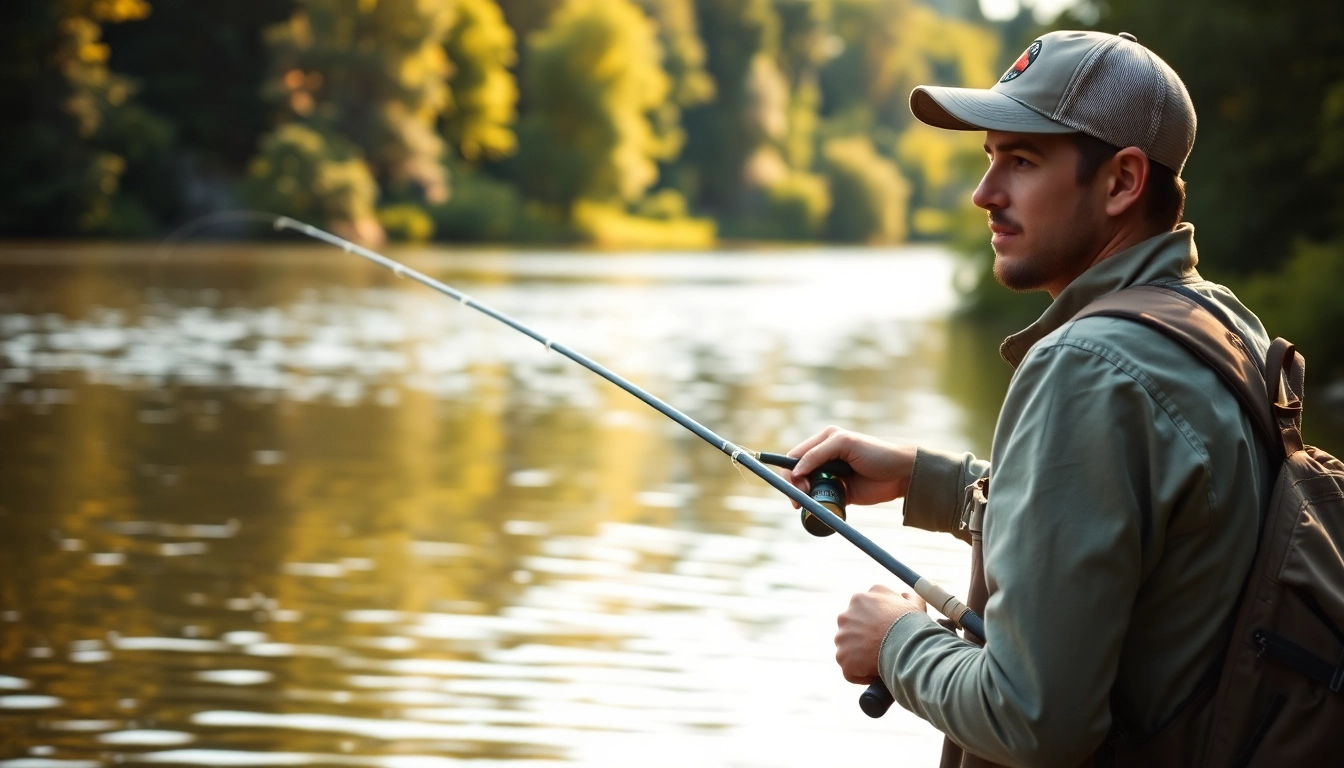
At its core, fly fishing focuses on utilizing a fly rod, fly line, and a selection of artificial flies, giving it a distinctive appeal. The main objective is to cast the fly delicately onto the water surface while imitating the movement of aquatic insects or baitfish. The following fundamental concepts will help you understand and appreciate the art of fly fishing:
- Types of Fly Fishing: There are primarily two types: freshwater and saltwater. Freshwater fly fishing occurs in rivers, lakes, and streams, while saltwater fly fishing targets species in oceans and bays.
- Rod and Reel Capacity: Fly rods are classified by weight. While beginners often start with a 5 or 6-weight rod, lighter rods are preferred for smaller fish, and heavier rods are suited for larger species.
- Fly Selection: Flies are often categorized as dry flies, wet flies, nymphs, and streamers. Each type serves a specific purpose, mimicking the lifecycle stages of fish food.
Essential Gear and Equipment
Your first step as a beginner is procuring the right gear, which includes the following:
- Fly Rod and Reel: A quality rod and reel combination is crucial. Look for a rod that is lightweight and flexible, often made of graphite or fiberglass.
- Fly Line: The fly line is thicker than traditional fishing lines. It is designed to help the fly land softly on the water. Choose a weight-forward line to make casting easier.
- Leaders and Tippet: Leaders connect the fly line to the fly itself, while tippet material allows for a finer line at the end, making the fly less visible to fish.
- Flies: Start with a small selection of popular patterns like Adams, Woolly Bugger, and Pheasant Tail Nymphs, which can attract a variety of fish.
- Accessories: Don’t forget a fly box for organization, forceps for handling fish, a net for landing, and a personal floatation device for safety.
Choosing the Right Location
Finding the best spot for fly fishing significantly impacts your success. Here are ways to determine suitable locations:
- Research Local Waters: Look for popular rivers, lakes, and streams in your area known for healthy fish populations. State wildlife agencies often provide resources on local fishing spots.
- Time of Day: Fish are typically more active early in the morning and late in the afternoon. Plan your trips accordingly to maximize your chances.
- Weather Considerations: Overcast days can provide excellent fishing conditions, as fish tend to surface more. However, wintry conditions may require different strategies.
Techniques for Fly Fishing
Mastering the Cast
Acquiring the skill to cast effectively is essential in fly fishing. The technique involves a fundamental three-part motion:
- The Back Cast: Raise the rod tip and pull the line back behind you. This motion creates tension and stores energy.
- The Forward Cast: Deliver the line forward with a flick of the wrist, aiming at about a 10 o’clock angle. Ensure the rod tip straightens out to extend the cast distance.
- Presentation: Allow the line to unfurl gracefully, guiding the fly to land softly on the water's surface.
Practicing these casting techniques in open spaces, rather than on the water, can boost your confidence and refine your skills.
Reading Water and Fish Behavior
Understanding where fish are likely to be feeding is a crucial component of successful fly fishing. Look for:
- Structure: Fish often gather near rocks, fallen trees, or vegetation, which offer shelter and hunting grounds.
- Currently Flowing Water: Rapids and riffles create oxygen-rich environments where fish thrive. Pay attention to eddies where fish may hide from strong currents.
- Weather Effects: Consider cloud cover, temperature fluctuations, and seasonal shifts as these significantly influence fish activity.
Using Different Fly Patterns
Your choice of fly plays a vital role in attracting fish. The following classifications will guide your selections:
- Dry Flies: These sit on the water's surface. Use them when you see fish rising to eat insects.
- Wet Flies: These are submerged and mimic nymphs and larvae. They work well during times when fish are less visible.
- Nymphs: These patterns represent the underwater life stage of insects. They can be particularly effective in freshwater fishing.
- Streamers: These larger flies imitate baitfish and are typically effective for targeting larger species like bass or trout.
Common Challenges for Beginners
Dealing with Frustration
It's common for beginners to face frustration, stemming from casting errors or a lack of bites. To mitigate this:
- Patience is Key: Remind yourself that mastering fly fishing takes time. Focus on the learning process rather than just catching fish.
- Set Realistic Expectations: Understand that not every trip will result in a catch. Aim for incremental improvements and enjoy the surroundings.
Identifying Equipment Failures
Equipment failures can be disheartening, especially when you are out on the water. Common issues include:
- Line Breakage: Inspect your line frequently for abrasions and replace it when necessary.
- Rod Integrity: Check for cracks or breaks in the rod. A compromised rod can significantly hamper your performance.
Tackling Weather Conditions
Adverse weather can influence your fishing experience. Consider the following:
- Windy Days: Casting can be challenging in windy conditions; practice your technique and choose heavier flies for better control.
- Rainy Weather: Fish tend to be more active during light rain, as it can improve water oxygenation.
Best Practices for a Successful Experience
Conservation and Ethical Fishing
Engaging in responsible and ethical fishing practices is vital for preserving natural habitats:
- Catch and Release: Release fish carefully to minimize harm. Use barbless hooks for easier removal.
- Leave No Trace: Always clean up after yourself and respect the environment by minimizing your impact.
Improving Your Skills Over Time
As you gain experience, consider embracing continuous learning:
- Work with a Mentor: Partner with seasoned fly fishermen who can offer invaluable advice and tips.
- Attend Workshops and Classes: Many local clubs and organizations host events aimed at skill-building.
Joining Local Fly Fishing Communities
Connecting with others can enhance your fly fishing experience:
- Community Events: Look for local events, tournaments, or gatherings to meet fellow enthusiasts.
- Online Forums: Participate in online discussions to share experiences, seek advice, or find local fishing buddies.
Frequently Asked Questions About Fly Fishing for Beginners
What gear do I need to start fly fishing?
Essential gear includes a fly rod and reel, fly line, leaders, tippet, and a variety of flies. Beginners should also consider safety gear, like a life jacket.
How can I practice my casting technique?
You can practice casting techniques in open spaces or backyards using a practice rod and line to get comfortable before heading out on the water.
What types of fish can I catch as a beginner?
As a beginner, look for commonly caught species like trout, bass, and panfish, which are typically more accessible and receptive to various flies.
Are there beginner-friendly fishing spots?
Yes! Many local lakes, rivers, and ponds have designated areas for novice fishers, known for easy access and plentiful fish.
How can I learn more about fly fishing?
Consider attending workshops, reading books, watching instructional videos, and joining local clubs for comprehensive learning about fly fishing.