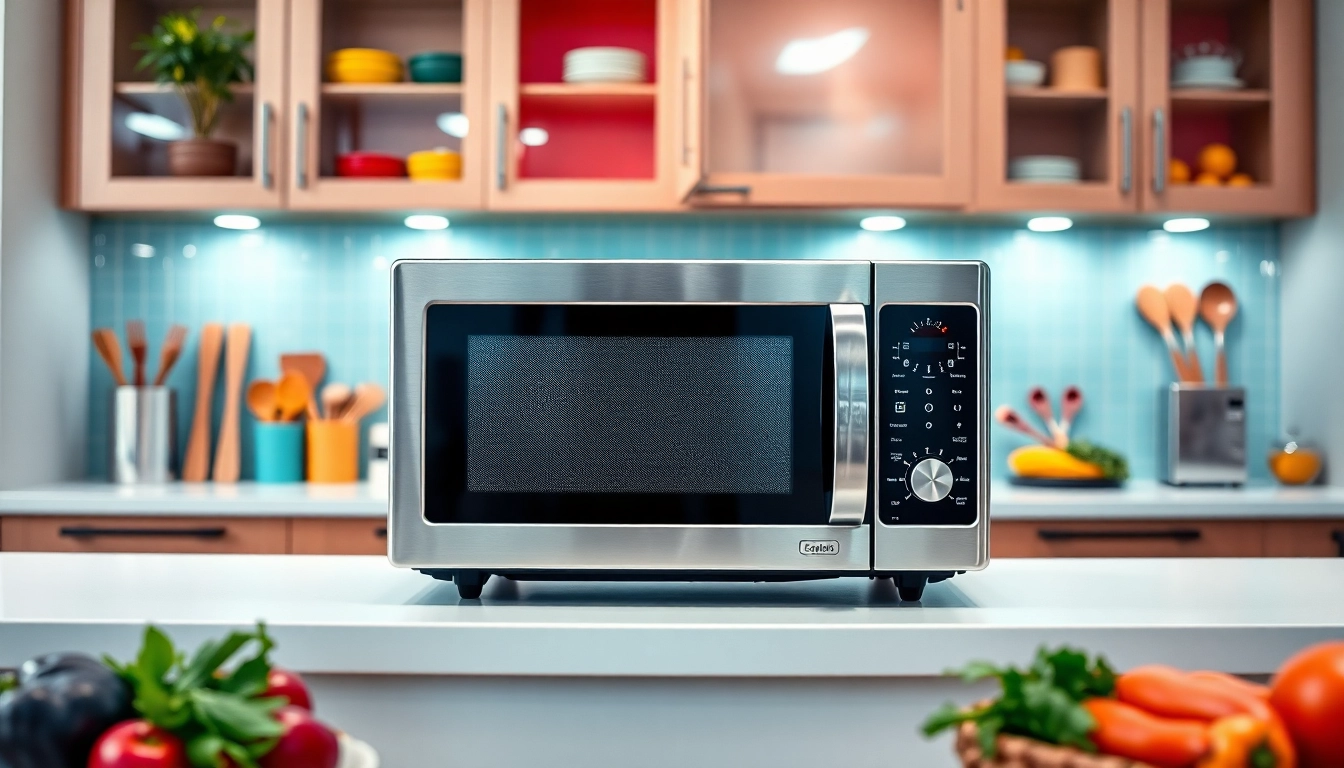
Understanding the Basics of Microwave Ovens
What is a Microwave Oven?
A Microwave Oven is a kitchen appliance that cooks food by using electromagnetic radiation in the microwave frequency range. Initially developed in the mid-20th century, microwave ovens have revolutionized cooking by making it quicker and more efficient. Essentially, these appliances heat food by causing water molecules in the food to vibrate, producing heat that cooks the food evenly. Their ease of use and efficiency has made them a staple in homes around the world.
How Do Microwave Ovens Work?
The operational principle of a Microwave Oven is quite fascinating. When turned on, high-frequency microwave radiation emits from a component known as a magnetron inside the oven. These microwaves propagate throughout the cooking cavity and penetrate food. Water molecules within the food absorb this energy, enabling them to vibrate rapidly. This vibration generates heat, which then cooks the food. It's important to note that the cooking process is not only quick but also efficient, as microwaves target water molecules specifically, allowing for rapid heating without the need for additional cooking media.
Types of Microwave Ovens
Microwave ovens come in various types, each designed to cater to different cooking needs:
- Countertop Microwave Ovens: The most common type, ideal for general cooking purposes.
- Built-in Microwave Ovens: Integrated into kitchen cabinetry, providing an aesthetic and space-efficient solution.
- Over-the-Range Microwave Ovens: Function as both a microwave and a range hood, saving countertop space.
- Microwave Convection Ovens: Combine microwave and convection technology to brown and crisp food effectively.
- Microwave Drawer Ovens: Sleek design that opens like a drawer, providing easy access and versatility.
Benefits of Using a Microwave Oven
Time-Saving Advantages
One of the most significant advantages of using a Microwave Oven is the time it saves. Traditional cooking methods can take hours, especially for larger meals. In contrast, microwaves can heat or cook food in just a fraction of that time, often allowing users to prepare a meal in under ten minutes. This is particularly beneficial for busy households juggling work, school, and other commitments. For example, defrosting frozen meat can take hours in a conventional oven but can be done in minutes using the defrost setting on a microwave.
Energy Efficiency Explained
Another critical benefit of a Microwave Oven is its energy efficiency. Unlike conventional ovens that require preheating and typically consume a significant amount of electricity, microwaves use less energy due to their targeted cooking method. They focus heat only where it is needed—within the food itself—resulting in lower energy bills. Researchers indicate that using a Microwave Oven can consume upwards of 80% less energy compared to conventional cooking methods.
Versatility in Cooking
Microwave Ovens are not just for reheating leftovers; they offer versatile cooking options. From steaming vegetables and making popcorn to preparing cakes and casseroles, the capabilities of a microwave are extensive. Some advanced models even include features for grilling or baking, allowing users to experiment with different cooking styles. This range of functionalities makes the Microwave Oven an excellent tool for both beginners and experienced cooks alike.
Choosing the Right Microwave Oven
Key Features to Consider
When selecting a Microwave Oven, consider essential features such as wattage, size, and cooking options. Higher wattage typically means faster cooking times, so look for models with at least 800 watts for everyday cooking tasks. Additionally, assess the type of cooking you plan to do. If you prefer baking, a convection microwave with additional heating elements will serve you better. Look for models with features like sensor cooking, which automatically adjusts cooking time and power for optimal results.
Size and Capacity Factors
The size and capacity of a Microwave Oven are crucial elements to evaluate. Countertop models vary in size, typically ranging from compact to large units. Measure your countertop space to ensure a good fit. Furthermore, consider the interior capacity—measured in cubic feet—that dictates how much food you can cook at once. For families, a larger capacity is often more convenient, allowing the preparation of whole meals or multiple dishes simultaneously.
Budgeting for Your Microwave Oven
Budget is an essential aspect of your purchasing decision. Microwave Ovens can range significantly in price, from budget-friendly models to high-end variants with advanced features. Identify your needs and set a realistic budget. Remember, while it may be tempting to opt for the cheapest model, investing in a quality Microwave Oven can lead to better durability and performance in the long run.
Safety Tips for Microwave Oven Use
Understanding Radiation Safety
Safety is a prime concern when using any kitchen appliance, and understanding how Microwave Ovens operate is crucial for safe use. Microwaves generate non-ionizing radiation, which is considered safe for food cooking. However, always ensure that your oven is in good working condition, with no damage to the door seals. Regular inspection should be a standard routine for safe operation.
Proper Food Handling Techniques
Handling food properly in a Microwave Oven is vital to prevent contamination and ensure even cooking. Use microwave-safe containers to avoid harmful chemicals leaching into food. Always cover dishes while microwaving to prevent splattering and ensure even heating. Be mindful of the 'standing time' after cooking, which allows the heat to distribute evenly, especially in larger items.
Common Microwave Oven Myths
Despite their widespread use, several myths about Microwave Ovens persist. One common misconception is that microwave cooking removes nutrients from food. In reality, the short cooking times of microwaves can actually preserve nutrients better than some traditional methods. Additionally, there’s a myth that microwaves cause cancer; however, this is unfounded as microwaves do not make food radioactive. Educating yourself about these myths can enhance your safety and cooking experience.
Maintenance and Care for Your Microwave Oven
Cleaning Tips for Longevity
To prolong the life of your Microwave Oven, regular cleaning is essential. Wipe down the interior and exterior with a damp cloth to remove food splatters and spills. For stubborn stains, a mixture of vinegar and water can serve as a natural cleaner. Avoid using harsh chemicals that may damage the surface. Additionally, regularly checking the microwave's vents and ensuring they are free of debris can keep the appliance functioning effectively.
When to Call a Professional
Not all issues can be resolved with a simple cleaning or resetting. If you experience persistent problems like strange noises, consistent failures to heat, or other malfunctioning behaviors, it’s crucial to consult a qualified technician. Regular maintenance checks can also identify potential issues before they lead to more significant problems, ensuring consistent performance.
FAQs About Microwave Oven Issues
1. Can I microwave metal containers?
No, avoid using metal containers, as they can spark and cause fires.
2. Why is my microwave not heating food properly?
Insufficient heating may indicate a problem with the magnetron or the door's seal; professional inspection may be needed.
3. How often should I clean my microwave?
Cleaning your microwave once a week helps prevent buildup and maintains hygiene.
4. Are microwave-safe plastics safe for reheating?
Only use plastics labeled as microwave-safe to prevent harmful leaching into food.
5. Can I use a microwave to cook raw meat?
Yes, but ensure it reaches safe internal temperatures to prevent foodborne illness.