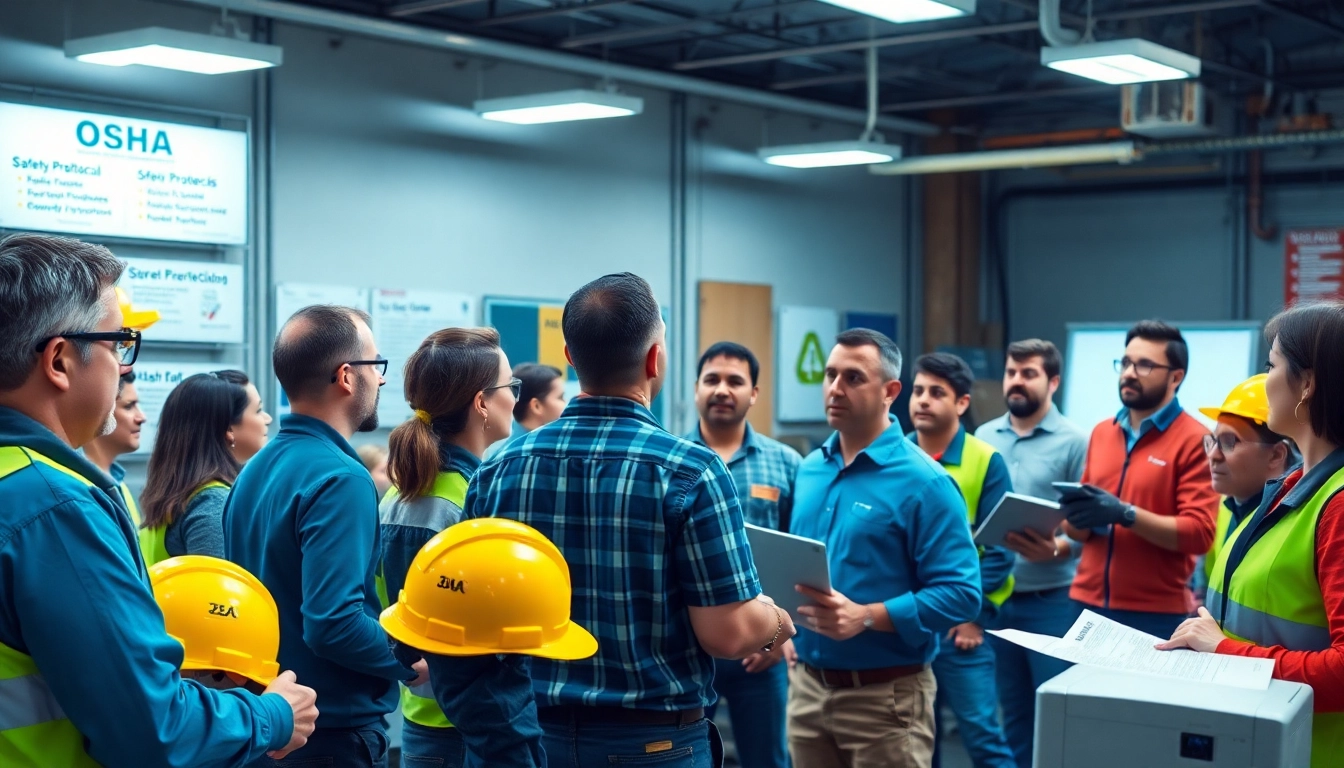
Understanding OSHA Standards in the Carolinas
Overview of OSHA Regulations
The Occupational Safety and Health Administration (OSHA) is a pivotal entity in ensuring workplace safety across various industries, with the authority to set standards to protect the health of workers. In the Carolinas, OSHA's regulations require employers to provide safe working environments, free from recognized hazards that could cause death or serious harm. Understanding the nuances of these regulations is crucial for businesses aiming to comply and protect their workforce.
Importance of Compliance for Businesses
Compliance with OSHA regulations is not merely a legal obligation; it serves as a foundation for ethical business practices and operational integrity. Businesses in the Carolinas must prioritize these standards to mitigate risks associated with workplace injuries and illnesses. Failure to comply can result in hefty fines, legal ramifications, and a tarnished reputation. Furthermore, proactive compliance fosters a culture of safety, ultimately enhancing productivity and employee satisfaction.
Common Violations and How to Avoid Them
Common OSHA violations in the Carolinas often stem from insufficient training, lack of proper personal protective equipment (PPE), and disregard for safety protocols. Understanding these common breaches is key to prevention:
- Inadequate Training: Employees must be adequately trained on safety protocols and proper equipment handling. Regular training sessions and updates ensure awareness and preparedness.
- Missing or Inadequate PPE: Employers must provide suitable PPE and guarantee its usage. Regular checks to ensure equipment compliance are necessary.
- Unsafe Workspaces: Regular OSHA safety inspections can help in identifying hazards before they result in accidents.
Employers can avoid these pitfalls by establishing a comprehensive safety plan that includes regular training, audits, and feedback mechanisms.
Benefits of OSHA Training Programs
Enhancing Employee Safety Awareness
OSHA training programs are essential for instilling a culture of safety within organizations. By participating in these programs, employees gain a thorough understanding of workplace safety standards, which empowers them to identify and report hazards actively. This heightened awareness results in a more proactive approach to personal and collective safety, minimizing risks.
Reducing Workplace Incidents and Liabilities
Investing in OSHA training directly correlates with a reduction in workplace incidents. Training prepares employees to handle potential hazards effectively, ultimately leading to a safer work environment. This reduction not only protects employees but also diminishes the financial liabilities associated with workplace accidents, such as medical costs and lost productivity.
Improving Organizational Culture and Morale
When employees feel safe at their workplace, their job satisfaction and morale significantly improve. A commitment to safety through OSHA training signals to employees that their well-being is valued. This contributes to lower turnover rates and fosters an organizational culture that emphasizes collaboration, trust, and respect.
Types of OSHA Training Available in the Carolinas
General Industry Training Courses
General industry training courses cover a broad range of topics pertinent to various sectors. These courses address hazards related to manufacturing, warehousing, and service industries. Key areas of focus include:
- Hazard communication
- Ergonomics
- Machine guarding
- Fall protection
Employers are encouraged to assess the specific risks associated with their operations to tailor training accordingly.
Construction Safety Training
For businesses operating in the construction sector, OSHA offers specialized training that focuses on the unique safety challenges encountered on job sites. Topics include:
- Scaffolding safety
- Excavation and trenching
- Personal protective equipment
- Electrical safety
By completing these courses, workers can learn to mitigate hazards and recognize unsafe conditions entirely.
Hazardous Materials Handling Courses
Handling hazardous materials—such as chemicals, flammable substances, or toxic agents—requires specialized knowledge and training. OSHA provides tailored courses focusing on:
- Proper labeling and storage techniques
- Emergency response procedures
- Understanding Material Safety Data Sheets (MSDS)
- Complying with the Hazardous Materials Transportation Act
These courses are critical for industries like manufacturing, healthcare, and environmental services, where risk is inherent in daily operations.
Implementing OSHA Training in Your Workplace
Steps for Selecting a Training Provider
Choosing the right training provider is paramount for effective OSHA training. Here are key considerations:
- Credentials and Expertise: The provider should have a solid track record and be recognized by OSHA. Check for certifications and experiences relevant to your industry.
- Customized Programs: Seek providers who can tailor their training to your organization’s needs, reflecting the specific hazards of your workplace.
- Training Methods: Assess the delivery methods (in-person, online, or hybrid options) that align with your workforce's preferences.
Creating a Training Schedule that Works
When implementing an OSHA training schedule, consider the following:
- Employee Availability: Ensure training sessions are scheduled during work hours to facilitate maximum participation.
- Frequency of Training: Regular refresher courses should be part of your schedule to keep safety top of mind.
- Evaluation Period: After each training session, gather feedback to continuously improve the training process.
Measuring Training Effectiveness and Impact
To quantify the effectiveness of OSHA training, implement these measurement strategies:
- Pre- and Post-Training Assessments: Use evaluations to measure knowledge gain and retention following training.
- Incident Reports: Monitor workplace safety incidents to discern trends and determine if training impacts outcomes.
- Employee Feedback: Solicit employee insights on training relevance and applicability to their daily roles.
Future of OSHA Training and Safety Practices
Emerging Safety Technologies and Trends
The landscape of workplace safety is evolving rapidly with advancements in technology and methodologies. Emerging technologies, including virtual reality (VR) and augmented reality (AR), offer immersive training experiences, allowing for realistic simulations of hazardous scenarios. Additionally, wearable technology can monitor employee vitals in real-time, enhancing safety further.
The Role of Continuous Training
With the ever-changing nature of workplace hazards, continuous training is essential. Organizations must adopt a mindset of lifelong learning that integrates regular training updates and refresher courses. This approach not only keeps safety practices current but also reinforces the business's commitment to employee welfare.
Advocacy and Recommendations for Improvement
Advocating for improved safety practices involves not just compliance but pushing for advancements at industry levels. Businesses can collaborate to develop better regulations and share best practices. Partnering with local organizations can enhance outreach and education, creating a safer environment throughout the Carolinas.
For more insights on effective safety training practices, consider exploring osha training carolinas. Understanding OSHA regulations and investing in training can lead to improved safety standards and a robust workplace safety culture.