Understanding Soft Wash: The Fundamentals
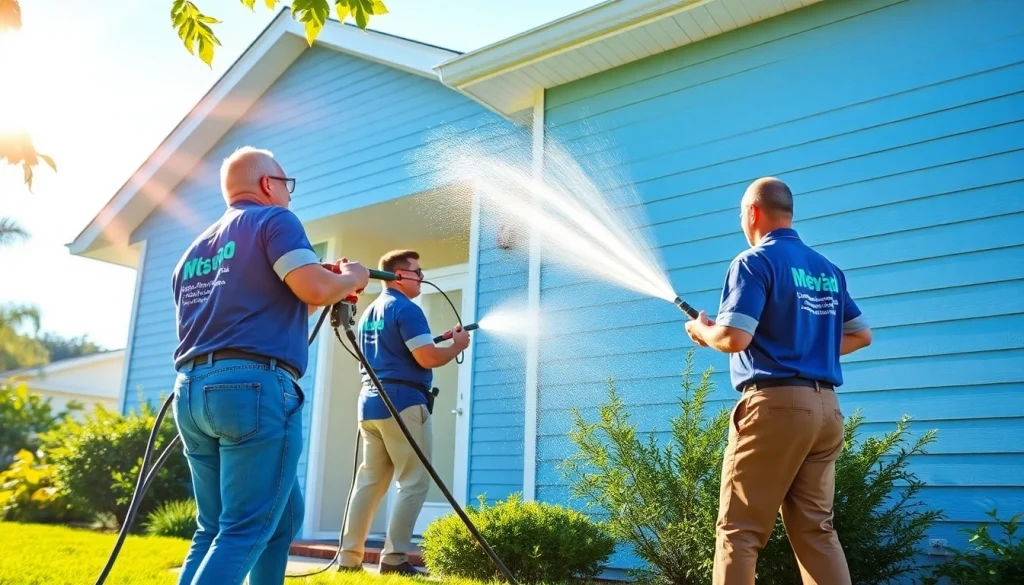
Soft washing is an innovative exterior cleaning method that has grown in popularity due to its effectiveness and gentle approach. This technique utilizes low-pressure water combined with specialized biodegradable cleaning solutions to safely remove contaminants from delicate surfaces such as roofs, siding, and decks without causing damage. By using a soft wash system, homeowners can maintain the aesthetic appeal of their properties while also extending the lifespan of these surfaces.
What is Soft Washing?
Soft washing is distinct from traditional pressure washing in that it employs a low-pressure delivery system to apply a cleaning solution. This solution breaks down dirt, mold, mildew, and algae, making it easy to rinse away without the risk of damaging surfaces. It’s especially effective on materials like wood, vinyl, and painted surfaces which can be easily harmed by high-pressure water streams. By focusing on the chemical solution rather than brute force, soft washing provides a safe, efficient cleaning method.
Key Benefits of Soft Washing for Your Home
Soft washing offers several significant advantages for maintaining the exterior of your home:
- Eco-Friendly Solutions: The biodegradable detergents used in soft washing are safe for plants, pets, and people. This makes it a responsible choice for environmentally-conscious homeowners.
- Longer Lasting Results: Soft washing effectively eliminates the root cause of mold and algae, reducing the chance of regrowth and keeping your surfaces cleaner for longer periods.
- Preserving Surface Integrity: Because soft washing uses low-pressure, it minimizes the risk of damage commonly associated with high-pressure washing, prolonging the life of your home’s exterior.
- Enhanced Curb Appeal: Regular soft washing not only cleans surfaces but also refreshes the overall look of your home, significantly boosting curb appeal.
Comparison: Soft Wash vs. Traditional Pressure Washing
While both soft washing and traditional pressure washing aim to clean exterior surfaces, they differ significantly in technique and outcomes:
- Pressure: Traditional pressure washing uses high water pressure to blast away dirt, which can lead to potential surface damage, while soft washing relies on a gentle application that cleans without risk.
- Cleaning Agents: Soft washing utilizes specialized eco-friendly solutions; traditional washing typically doesn’t use any chemicals.
- Surface Suitability: Soft washing is ideal for sensitive surfaces like roofs and wood siding, while traditional pressure washing may be better suited for more durable surfaces like concrete driveways and patios.
Choosing the Right Soft Wash Services
When selecting a soft wash service for your home, there are several crucial factors to consider to ensure that you receive the highest quality care and outcomes:
Factors to Consider When Selecting a Provider
- Experience and Credentials: Look for companies with a proven track record in soft washing. Verify their licenses, insurance, and customer reviews to gauge reliability.
- Specialization: Ensure the service specializes in soft washing rather than traditional pressure washing to guarantee appropriate techniques and results.
- Eco-Friendly Practices: Ask about the cleaning agents used in their processes. A commitment to eco-friendly practices is essential for safety and environmental protection.
How to Get an Accurate Soft Wash Estimate
Obtaining an accurate estimate involves more than merely giving square footage. Consider the following steps:
- Initial Assessment: Schedule an evaluation of your property, allowing the contractor to identify specific needs and challenges.
- Transparent Pricing: Ensure the quote includes all aspects of the service, such as labor, materials, and any additional fees. Clarity helps avoid surprises later.
- Compare Multiple Quotes: Don’t settle for the first estimate. Collect quotes from several providers to determine a fair price based on the market.
Evaluating Eco-Friendly Soft Wash Options
As environmental consciousness rises, more homeowners are seeking out companies that prioritize eco-friendly methods. Here’s how to evaluate their offerings:
- Check for Certifications: Look for companies certified in green cleaning practices, confirming their commitment to sustainability.
- Inquire About Products: Ask about the biodegradable cleaning solutions they use. Ensure that they don’t pose risks to local flora and fauna.
- Water Usage: Consider companies that implement water reclamation systems to minimize water wastage during the cleaning process.
Preparing Your Home for a Soft Wash
Proper preparation can enhance the effectiveness of your soft wash and protect your property:
Essential Preparations Before the Service
- Clear the Area: Remove outdoor furniture, decorations, and any items that might obstruct the cleaning process.
- Secure Windows and Doors: Ensure all windows and doors are closed tightly to prevent water infiltration during the cleaning.
- Inform Neighbors: Let your neighbors know about the scheduled soft wash, especially if they have sensitive plants or pets that may be affected.
Common Myths About Soft Washing Debunked
Several misconceptions surround the practice of soft washing, including:
- Myth 1: Soft washing is just a gimmick. Truth: It is a legitimate and proven method for cleaning delicate surfaces effectively.
- Myth 2: All cleaning methods are the same. Truth: What works for concrete may not be suitable for wood or painted surfaces.
- Myth 3: Soft washing doesn’t clean as well as pressure washing. Truth: Soft washing attacks the root cause of mold and grime, leading to longer-lasting results.
Understanding Your Home’s Exterior Materials
Soft washing is not one-size-fits-all; understanding the materials your home is made of is crucial. Here’s a quick guide:
- Vinyl Siding: Soft washing effectively removes mold and algae without risk of damage.
- Wood: Soft washing prevents splintering and damage that can occur with high-pressure washing.
- Roofing Materials: Soft washing is essential for asphalt shingles and tile roofs to eliminate harmful algae without dislodging shingles.
Advanced Techniques in Soft Washing
To achieve optimal results, it’s essential to stay updated on advanced soft washing techniques:
Specialized Equipment for Effective Soft Washing
Understanding the tools used can provide insight into the effectiveness of a soft wash service:
- Low-Pressure Sprayers: These are designed specifically for soft washing, providing an even application of cleaning solutions.
- Chemical Injectors: These devices mix the cleaning solution with water, ensuring a consistent mixture for effective dirt removal.
- Water Reclamation Systems: These systems capture used water to minimize waste and environmental impact.
Best Practices for Applying Cleaning Solutions
Effective application of cleaning solutions is vital for success. Consider these best practices:
- Surface Preparation: Ensure surfaces are dry and free from debris before applying cleaning solutions.
- Solution Activation: Allow the cleaning solution to dwell for the recommended time to effectively break down contaminants.
- Rinsing Techniques: Rinse thoroughly to remove all cleaning agents, ensuring no residue remains that could affect surfaces.
Case Studies: Successful Soft Washing Projects
Here are some real-world examples of successful soft washing projects:
- Residential Roof Cleaning: A homeowner in Kissimmee faced unsightly roof streaks from algae. Using soft washing, the roof was cleaned effectively, enhancing property value.
- Commercial Building Wash: A local business in Orlando had a storefront impacted by dirt and grime build-up. Soft washing restored its bright appearance, attracting more customers.
The Future of Soft Washing in 2025 and Beyond
The soft washing industry is set for growth as it evolves to meet changing consumer needs and environmental considerations:
Emerging Trends in Soft Wash Technology
- Increased Automation: Tools equipped with programmable features will streamline the application process, increasing efficiency and consistency.
- Advanced Biodegradable Solutions: Ongoing research will lead to even more effective and environmentally safe cleaning agents.
- Remote Monitoring: Using IoT technology for real-time tracking of cleaning processes could enhance customer satisfaction and service customization.
Predictions for the Industry’s Growth
Experts predict that the soft washing industry will continue to expand due to rising concerns over environmental impact and the importance of property maintenance. More homeowners will recognize the benefits of soft washing compared to traditional methods, leading to increased demand for these services.
How to Stay Informed on Soft Wash Solutions
Keeping up with advancements in soft washing is essential. Here are several ways to stay informed:
- Industry Publications: Subscribe to cleaning and maintenance journals that cover new products and techniques.
- Online Training: Many organizations and manufacturers offer online courses about soft washing techniques and safety practices.
- Networking with Professionals: Join forums and attend trade shows to connect with industry experts and share best practices.