Understanding Structural Steel Welding
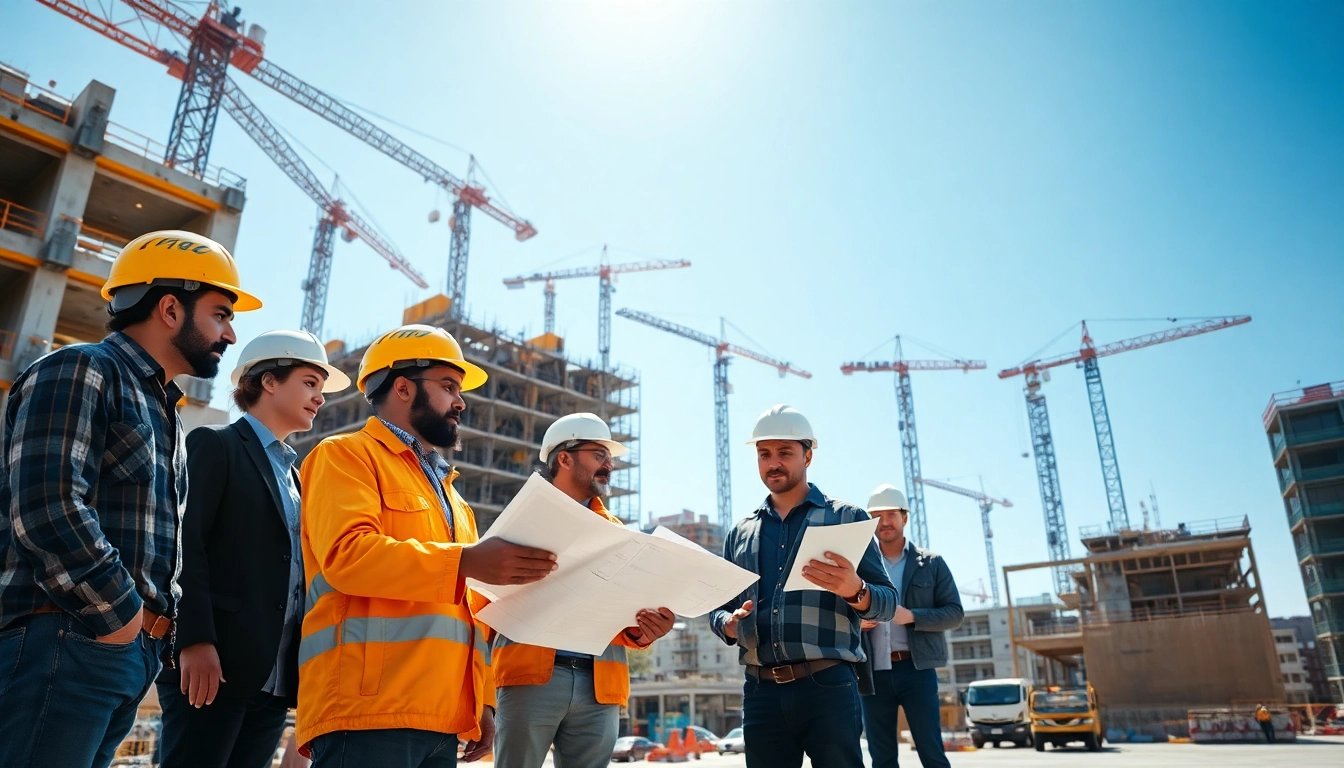
Structural steel welding is a fundamental process in construction and manufacturing, critical for ensuring the durability and strength of structural components. This technique enables the joining of steel parts to create frameworks, supports, and various structural elements essential for buildings, bridges, and other infrastructures. From skyscrapers to industrial complexes, understanding structural steel welding can shed light on how modern construction takes shape, ensuring safety and longevity. To dive deeper into the techniques and advancements in this field, explore our insights on structural steel welding.
What is Structural Steel Welding?
Structural steel welding is defined as the process of joining various steel components to form a single piece. This is achieved through heat, pressure, or both, allowing for the fusion of metals that results in a strong and durable weld. Structural steel welds are crucial for safety since they bear the loads required for building stability. Key characteristics of structural steel welding include its ability to create strong joints, resist fatigue, and withstand environmental factors, making it a preferred choice in construction.
Common Techniques in Structural Steel Welding
Several techniques can be utilized in structural steel welding, each suited for specific applications and conditions. Below are a few of the most common methods:
- Shielded Metal Arc Welding (SMAW): Also known as stick welding, this technique uses an electrode coated with flux to produce a weld. It is versatile and often used in field applications.
- Gas Metal Arc Welding (GMAW): Known as MIG welding, it employs a continuous solid wire electrode and a shielding gas to protect the weld pool from contamination. This method is efficient for all-position welding and provides a clean finish.
- Flux-Cored Arc Welding (FCAW): This technique is similar to GMAW but uses a tubular wire filled with flux, allowing for better penetration. It is often used in outdoor environments where wind can affect shielding gas.
Applications of Structural Steel Welding in Construction
The applications of structural steel welding extend across various sectors. In construction, it’s used for:
- Building Frameworks: Structural steel focuses on creating skeletal frameworks for buildings, ensuring they can support various loads.
- Bridges: Structural steel welding plays a pivotal role in the construction of bridges, joinings beams and girders that must endure heavy loads.
- Industrial Structures: Factories and warehouses often use structural steel welding to create robust structures for machinery and storage.
- Marine Structures: Offshore platforms and docks utilize structural steel welding to withstand harsh marine environments.
Essential Equipment for Structural Steel Welding
Types of Welding Machines
Various welding machines are available, each tailored for specific types of welding processes. The following are common types found in structural steel welding:
- Stick Welders: Typically portable and affordable, suitable for outdoors and thick materials.
- MIG Welders: Best for thin materials and high productivity due to their speed and ease of use.
- TIG Welders: Offer precision and control, ideal for applications where a high-quality finish is required.
- Multi-Process Welders: Versatile machines that allow welders to switch between SMAW, GMAW, and TIG processes based on their needs.
Protective Gear and Safety Measures
Welding can expose workers to various hazards, making protective gear and safety measures crucial. Essential gear includes:
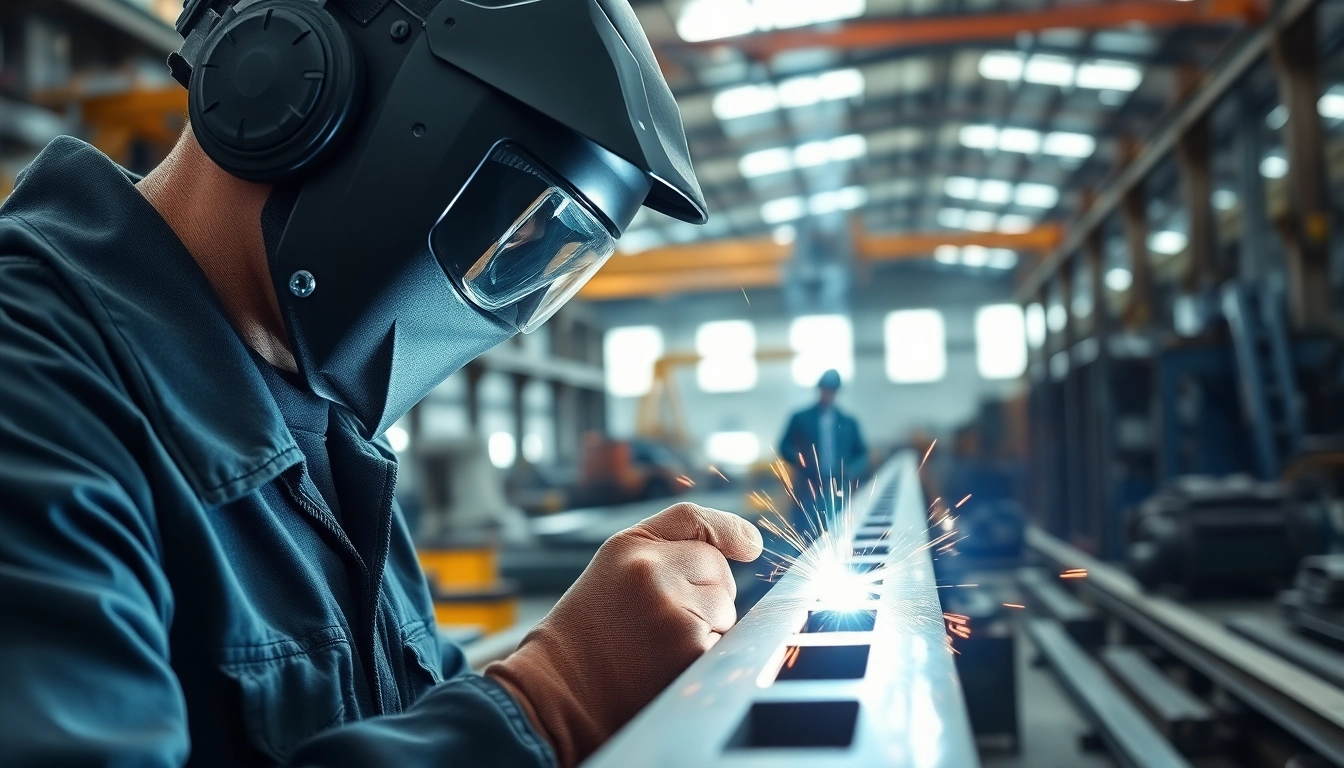
- Welding Helmets: Equipped with auto-dimming filters to protect eyes from intense light.
- Protective Clothing: Flame-resistant jackets and gloves are essential to shield the skin from sparks and hot metal.
- Respirators: Particularly important in environments with fumes and dust to maintain air quality.
- Foot Protection: Steel-toed boots safeguard against falling objects.
Materials Required for Structural Steel Welding
Before commencing welding, it’s imperative to gather the right materials, including:
- Welding Rods or Electrodes: Depending on the chosen welding technique, specific rods are essential for creating strong bonds.
- Filler Metals: Commonly used in processes like TIG and MIG welding to ensure a robust weld joint.
- Shielding Gas: Gases like argon and CO2 are used in GMAW to protect the weld area from contamination.
- Base Metals: Various grades of steel must be selected based on the project’s requirements to ensure compatibility.
Best Practices for Effective Structural Steel Welding
Preparation and Setup
Preparation significantly impacts the quality of the weld. It includes:
- Surface Cleaning: Remove rust, grease, and paint from the area to be welded.
- Fit-up: Ensure that the pieces align correctly to prevent gaps, which can weaken the joint.
- Preheating: For thicker materials, preheating can reduce the risk of cracking.
Execution Techniques
When actual welding begins, the following techniques should be followed:
- Maintain a Steady Hand: Consistency in hand movement ensures a uniform bead.
- Control Heat Input: Avoid overheating, leading to warping and weakened joints.
- Proper Speed: Too fast can lead to poor fusion; too slow can lead to excessive heat.
Post-Welding Cleanup and Inspection
After welding, it’s crucial to perform cleanup and inspection:
- Remove Slag: Clean the weld area thoroughly to avoid any contaminants affecting future integrity.
- Inspect Welds: Physical inspection or non-destructive testing methods like ultrasonic testing ensure the weld’s quality meets standards.
- Documentation: Record the welders and techniques used for future reference and safety compliance.
Challenges in Structural Steel Welding
Common Welding Defects and Their Solutions
Several common defects may occur during welding, including:
- Porosity: Usually results from contamination; remedy by cleaning surfaces properly.
- Cracking: Can occur due to rapid cooling; mitigate with preheating and controlling cooling rates.
- Undercutting: Often caused by excessive heat; control heat to avoid melting base metal.
Environmental Factors Affecting Welding
Welding in adverse weather conditions can pose various challenges:
- Wind: Can disperse shielding gases in GMAW; welding in enclosed spaces or using windbreaks can help.
- Temperature: Cold weather can cause materials to contract and lead to defects; preheating can help mitigate this.
Skill Development and Troubleshooting
To excel in structural steel welding, continuous skill development is vital. Resources include:
- Formal Training Programs: Many vocational schools offer welding programs that encompass structural steel welding.
- Hands-On Practice: Regular practice helps develop muscle memory for better execution.
- Mentorship: Learning from experienced welders can provide valuable insights and techniques.
Career Pathways in Structural Steel Welding
Certification and Training Programs
Obtaining certification in structural steel welding can enhance career prospects. Many institutions offer programs that include:
- CWI Certification: Certified Welding Inspector (CWI) credentials ensure qualifications in inspection and welding practices.
- Specialized Welding Courses: Focused training on specific welding techniques, such as TIG or MIG welding.
Job Opportunities and Growth Potential
The demand for skilled structural steel welders is significant, driven by ongoing infrastructure projects. Common job avenues include:
- Construction Firms: Engaging in projects for commercial, residential, and industrial buildings.
- Bridge and Highway Contractors: Focusing on transportation infrastructure maintenance and construction.
- Shipbuilding Companies: Utilizing structural steel welding for marine applications.
Salary Expectations and Workplace Dynamics
Salary expectations for structural steel welders vary based on experience, location, and the complexity of the work. Generally, positions offer competitive wages with opportunities for overtime, especially in high-demand sectors.
Frequently Asked Questions
What is the best method for structural steel welding?
The best method can vary, but Shielded Metal Arc Welding (SMAW) and Gas Metal Arc Welding (GMAW) are popular for structural applications.
Is certification necessary for structural steel welders?
While not always legally necessary, certification can enhance job prospects and validate skills, making it highly recommended.
What are the primary safety concerns in welding?
Key safety concerns include exposure to harmful fumes, burns, and potential eye damage from welding arcs. Proper gear is essential.
How can I improve my welding skills?
Regular practice, seeking mentorship, and taking formal classes are excellent ways to improve welding skills over time.
What career growth opportunities exist in structural steel welding?
Opportunities include advancement to supervisory roles, becoming a Certified Welding Inspector, or specializing in advanced welding techniques.