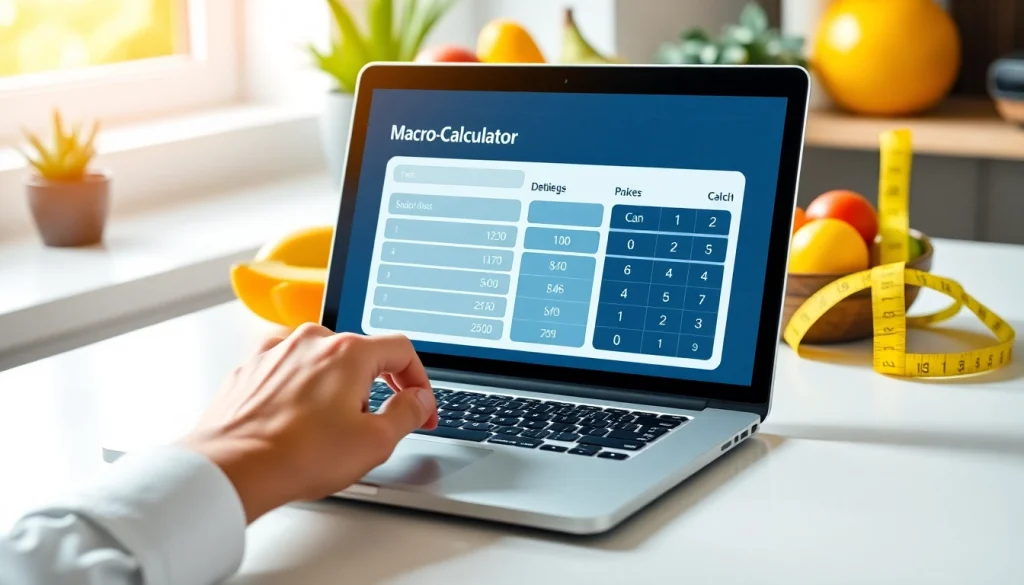
Introduction to the Macro Calculator
In the pursuit of health, fitness, and well-being, understanding the components of our diet plays a crucial role. Enter the macro calculator, a powerful tool that can help individuals tailor their nutritional intake according to their unique goals and lifestyle. By utilizing a macro calculator, users can efficiently estimate their macronutrient needs, which are vital for supporting various bodily functions, achieving fitness goals, and managing weight. This article delves into the functionalities of a macro calculator, its application, and how to integrate it into your dietary planning effectively.
What is a Macro Calculator?
A macro calculator is an online tool designed to estimate the ideal distribution of macronutrients—proteins, carbohydrates, and fats—based on several personal variables. Users typically input their age, sex, weight, height, and activity level, along with specific goals such as weight loss, muscle gain, or maintenance of current weight. The calculator uses these inputs to provide a detailed macronutrient breakdown, helping individuals understand how much of each macronutrient they should consume daily to reach their desired outcomes.
Why Use a Macro Calculator?
Using a macro calculator offers several advantages. Primarily, it ensures that individuals meet their nutritional needs while aligning with their health goals. Such calculators promote an understanding of food composition, encouraging informed dietary choices. Furthermore, they help track progress, offering insights into adjustments needed based on changing body composition or fitness objectives. By leveraging a macro calculator, users can take a more scientific approach to eating, shifting from a vague understanding of “healthy eating” to a precise and actionable plan.
Understanding Macronutrients
Macronutrients consist of three primary components: proteins, carbohydrates, and fats. Each plays a distinct and vital role in the body’s functioning, and understanding them is key to achieving desired health outcomes.
- Proteins: Essential for muscle repair, growth, and overall body maintenance. They are comprised of amino acids, nine of which are essential and must be obtained through diet.
- Carbohydrates: The body’s primary energy source, particularly for physical activities. They can be categorized into simple carbohydrates (sugars) and complex carbohydrates (starches and fibers).
- Fats: Necessary for hormonal function, nutrient absorption, and energy. Healthy fats, like those from avocados, nuts, and fish, are crucial for overall health.
Balancing these macronutrients according to individual goals enhances overall wellness and aids in achieving specific fitness objectives.
Setting Up Your Macro Calculator
Getting started with a macro calculator requires accuracy and clear goal setting. The outcome of your calculations heavily relies on the inputs provided, making this initial stage critical.
Inputting Accurate Information
To ensure reliable results, it is imperative to input precise and updated information. Key variables include age, weight, height, gender, and activity level. It’s equally important to reflect on your current health status, as factors such as pregnancy, chronic illnesses, or specific diet requests may influence macronutrient needs.
Choosing Your Goals
Defining your goals is paramount in understanding how to leverage the macro calculator effectively. Common goals include:
- Weight Loss: For those aiming to shed pounds, a negative energy balance is required, often achieved by reducing carbohydrate intake while maintaining protein levels.
- Muscle Gain: Muscle building necessitates a caloric surplus, wherein increased protein and carbohydrate intake support muscle recovery and growth.
- Maintenance: Individuals looking to maintain their current weight must balance their intake to match their total daily energy expenditure (TDEE).
Common Mistakes to Avoid
While using a macro calculator, beginners may encounter common pitfalls, including:
- Using Outdated Information: Regularly update personal data such as weight and activity level to reflect changes accurately.
- Neglecting to Account for Activity: Overestimating or underestimating activity levels can skew results significantly.
- Ignoring Nutrition Quality: Focusing solely on macronutrient ratios without considering food quality can lead to poor dietary choices. Prioritize whole foods packed with nutrients.
Interpreting Macro Calculator Results
Once data is entered into the macro calculator, interpreting the results is critical to success. Users must understand what the numbers mean in the context of their lifestyle and dietary preferences.
Reading Your Macro Breakdown
The output from a macro calculator typically includes total daily calories needed and the recommended breakdown of proteins, fats, and carbohydrates. For example, a daily intake of 2000 calories might suggest 150 grams of protein, 70 grams of fat, and 250 grams of carbohydrates. Understanding how to read these numbers allows users to create meals that align with these macronutrient targets.
Understanding Dietary Needs
Dietary needs vary widely among individuals based on factors such as age, sex, health conditions, and physical activity levels. The macro calculator may provide a generalized recommendation, but personal adjustments may be necessary to tailor these numbers to fit individual lifestyles and preferences.
Adapting Results for Different Lifestyles
Flexibility is necessary when interpreting results from a macro calculator. For instance, an athlete’s requirements are significantly different from those of a sedentary individual. Factors to consider include:
- Activity Type: Different sports may require varying macronutrient ratios. Endurance athletes might need higher carbohydrates, while strength athletes may lean more towards protein and fats.
- Dietary Preferences: Vegetarians or individuals following specific diets (like ketogenic) will need to adapt macronutrient sources according to their preferences.
- Health Considerations: Medical conditions can impact dietary needs; it’s advisable to consult a healthcare professional when needed.
Incorporating Macros into Your Diet
With a clear understanding of how to read and interpret macro calculator results, the next step is incorporating these insights into practical dietary plans.
Meal Planning with Macros
Meal planning becomes more strategic with macronutrient-specific goals. Here’s how to effectively plan meals:
- Preparation: Prepare meals in advance, elementing easy adherence to macro targets.
- Portion Control: Use food scales or measuring cups to ensure portions reflect the desired macronutrient ratios.
- Variety: Incorporate diverse foods to meet macro needs; this fosters satisfaction and avoids dietary monotony.
Healthy Foods to Meet Your Macro Goals
Choosing the right foods makes all the difference in achieving macro goals. Some go-to options include:
- Proteins: Lean meats, fish, legumes, tofu, and dairy products are excellent sources.
- Carbohydrates: Opt for whole grains, fruits, vegetables, and legumes for rich nutritional profiles.
- Fats: Avocados, nuts, seeds, and healthy oils such as olive oil should form the basis of fat consumption.
Tracking Progress Over Time
Monitoring adherence to macro targets is vital for long-term success. Tools such as food diaries and nutrition tracking apps can help individuals log food intake and evaluate progress against their macro goals. Regularly assessing and adjusting macros based on results ensures continuous alignment with health objectives and personal goals.
Advanced Macro Strategies
Once someone is familiar with using a macro calculator, they can explore advanced strategies for optimizing their dietary intake further.
Adjusting Macros for Fitness Goals
As individuals progress towards their fitness goals, the need to adjust macronutrient intake accordingly becomes essential. For instance, as someone shifts from a weight loss phase to a muscle-building phase, they might increase caloric and protein intake while slightly decreasing carbohydrates to tailor their diet appropriately. Regularly revisiting macro calculators can simplify this adjustment process.
Using Macros for Weight Loss
For weight loss, a macro calculator can guide users in establishing a caloric deficit, focusing on maintaining protein intake to preserve muscle mass. Additionally, adjusting carbohydrate intake can help manage hunger levels and provide necessary energy for workouts, supporting sustained fat loss without compromising performance.
How to Maintain Macro Balance Long-term
Long-term adherence to a macro-focused plan requires flexible management strategies. Here are some tips:
- Reassess Regularly: Health needs shift over time requiring continual evaluation of personal goals and recalibration of macronutrient inputs.
- Focus on quality: Prioritizing whole, nutrient-dense foods ensures that the diet supports overall health versus just caloric needs.
- Mindful Eating: Practicing mindfulness around food choices can enhance satisfaction and prevent emotional eating, thereby aligning dietary habits with goals.
By embracing a long-term view of dietary management through macro calculators, individuals can achieve and maintain their desired health outcomes with sustainability in mind.