Understanding Structural Steel Installation
What is Structural Steel Installation?
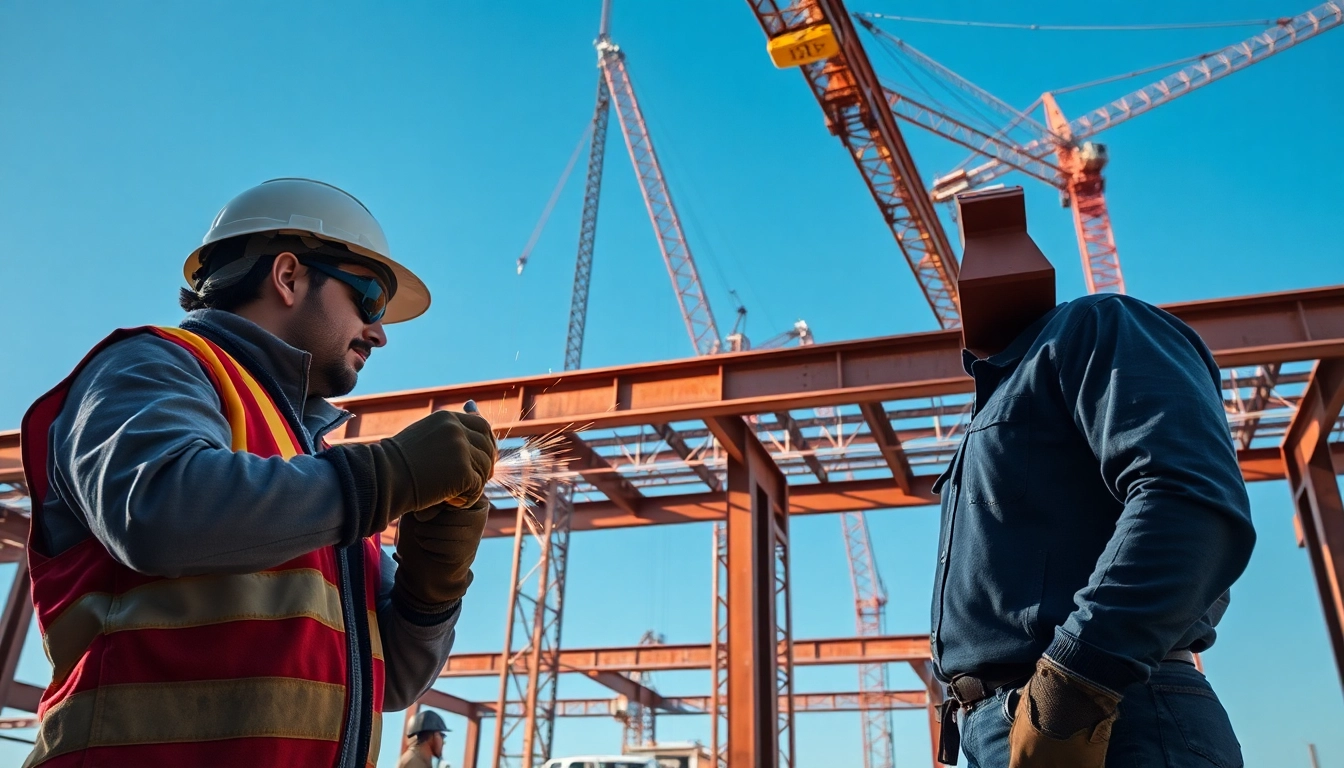
Structural steel installation refers to the process of assembling and erecting steel structures used in the construction of various buildings and infrastructures. It encompasses a range of activities, including the transportation of pre-fabricated steel elements, their assembly on-site, and the application of welding, bolting, and other fastening techniques to create a durable and reliable framework. With structural steel being favored for its strength-to-weight ratio, cost-effectiveness, and versatility, the process facilitates the development of modern architecture and engineering marvels.
Implementing structural steel installation demands a comprehensive understanding of engineering principles, safety protocols, and industry standards to ensure that the finished product can withstand various loads and environmental conditions.
Importance of Safety in Structural Steel Installation
Safety is an integral component of structural steel installation, given the industry’s inherent risks. Workers are often exposed to elevated heights, heavy equipment, and potential hazards from materials and weather conditions. Adhering to safety guidelines, such as OSHA regulations, is crucial to mitigating risks and ensuring a safe working environment.
Before commencing any work, a thorough risk assessment must be conducted, along with providing training to workers on safety protocols and equipment operation. Employers should implement rigorous supervision, use personal protective equipment (PPE), and enforce the use of safety harnesses and nets where necessary. Regular safety drills and evaluations can further reinforce a culture of safety within the workforce.
Common Materials Used in Structural Steel Installation
The materials utilized in structural steel installation are primarily steel types, including carbon steel, alloy steel, and stainless steel. Each type has its application and properties, affecting the overall strength and durability of the finished structure. Other materials often used in conjunction with structural steel include:
- Bolts and Fasteners: These are vital for joining steel components together, ensuring structural integrity.
- Welding Materials: Electrodes and filler metals are employed for welding seams and joints.
- Cement and Concrete: Commonly used for anchor pads and footings that support steel structures.
- Coatings and Treatments: Protective coatings are applied to prevent corrosion and enhance durability.
Planning the Installation Process
Pre-installation Assessment and Site Preparation
The success of a structural steel installation project begins with meticulous planning, particularly during the pre-installation phase. A comprehensive site assessment helps identify potential challenges, such as geological conditions, space constraints, and logistical considerations. Essential steps during this phase include:
- Site Analysis: Conduct geological surveys and soil tests to inform foundation design.
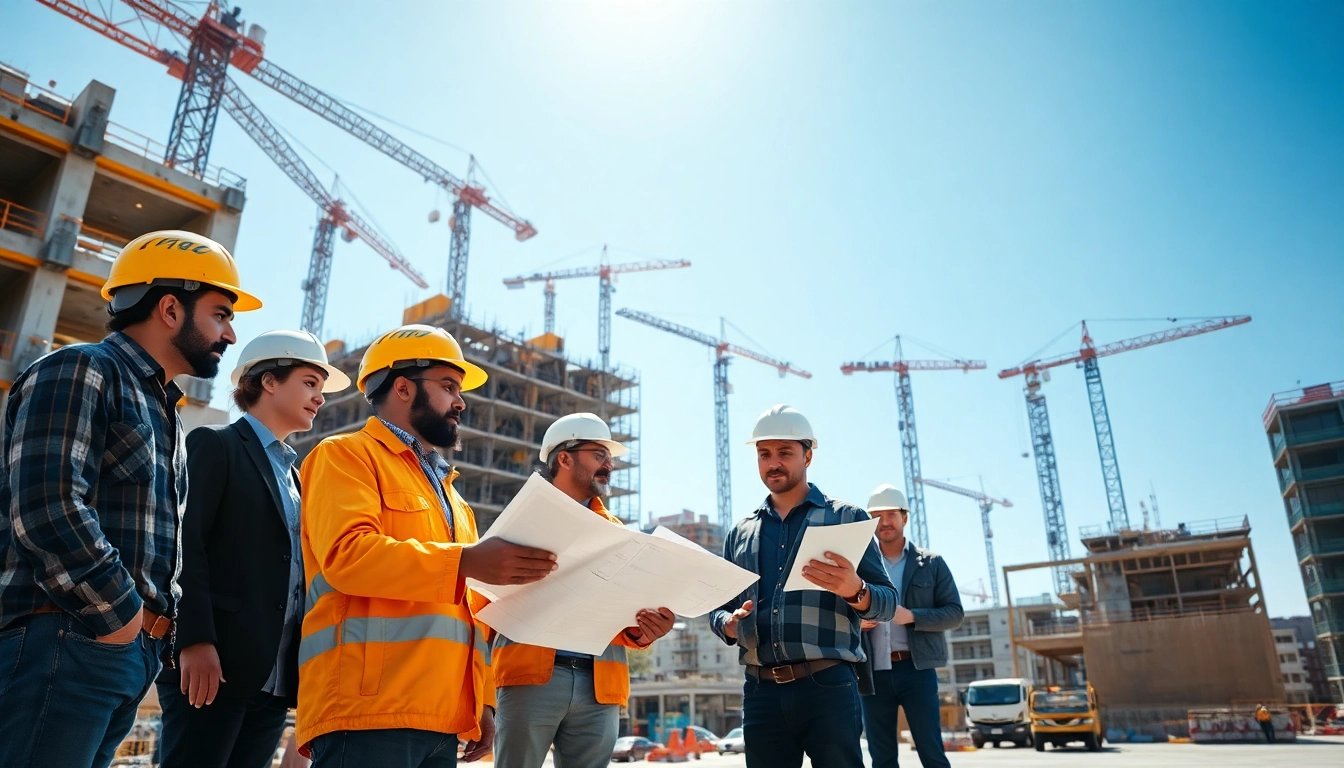
- Blueprint Review: Periodically review architectural designs and structural drawings for accuracy.
- Logistics Coordination: Plan the transportation of materials and equipment to the site, minimizing potential delays.
Design Considerations for Effective Structural Steel Installation
Effective design is paramount for the successful installation of structural steel. Engineers and architects should collaborate closely to optimize structural designs that suit the specific needs of the project. Design considerations include loading requirements, weight distribution, and connection types that will be utilized in the installation process. Modern design technologies such as Building Information Modeling (BIM) can streamline collaboration, enhance visualization, and reduce the risk of costly design errors.
Scheduling and Coordination for Optimal Workflow
A well-coordinated schedule enhances productivity during the installation phase. Project managers must develop a timeline that outlines each stage of the installation process, coordinating tasks between different trades to avoid delays. Efficient scheduling allows for the timely arrival of materials and equipment, ultimately leading to a smoother workflow on-site. Open lines of communication should be established among all parties involved, ensuring that any issues or changes can be promptly addressed without disrupting the overall project timeline.
Techniques and Equipment for Structural Steel Installation
Crane Operations and Their Role in Installation
Cranes are essential in the installation of structural steel, allowing for the lifting and positioning of heavy steel components. Various types of cranes may be employed depending on the complexity and scale of the project. For instance, mobile cranes, tower cranes, and crawler cranes each have unique advantages suited to different construction environments. Accurate crane operation is paramount, involving detailed planning and communication with a qualified operator. Safety protocols dictate strict guidelines for crane operation, ensuring that all lifts are performed according to established load capacities and safety measures.
Welding and Fastening Techniques for Structural Integrity
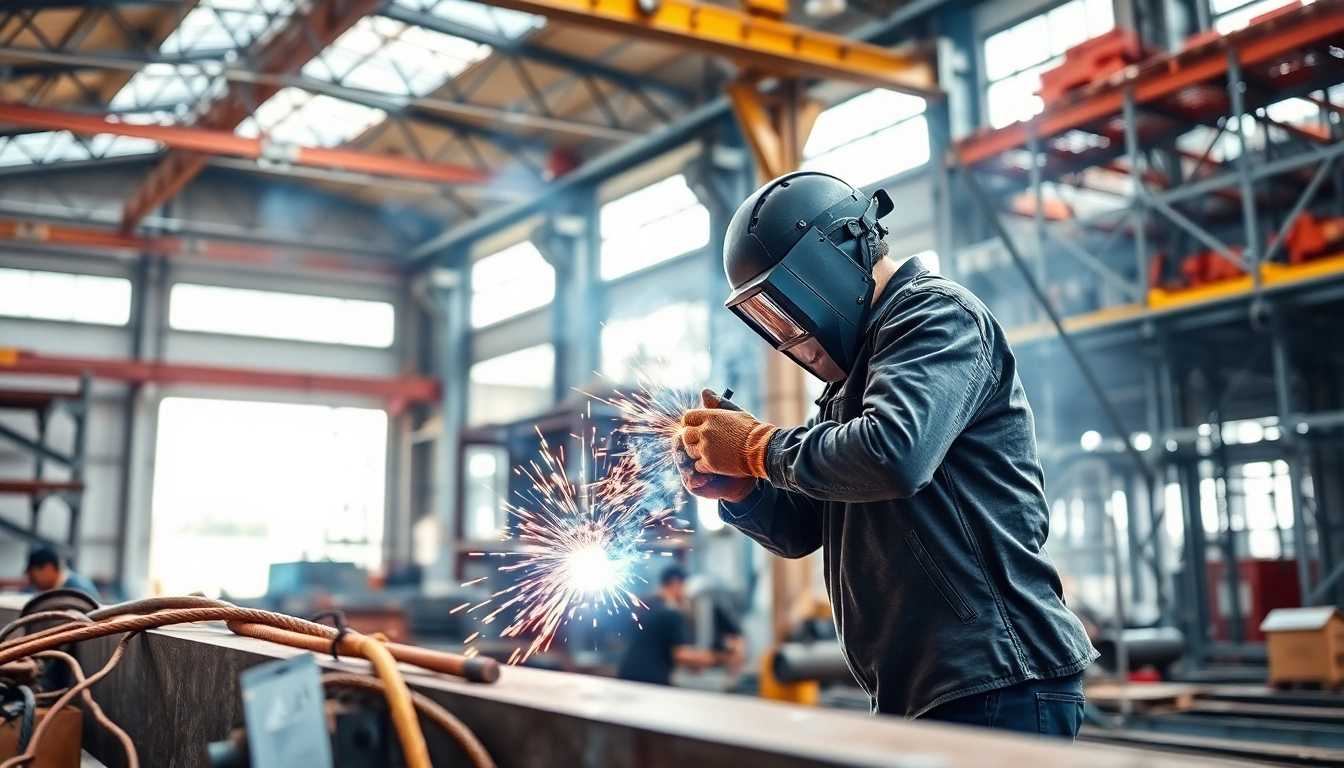
Welding and fastening are critical techniques utilized in structural steel installation. Common welding processes include Shielded Metal Arc Welding (SMAW), Gas Metal Arc Welding (GMAW), and Flux-Cored Arc Welding (FCAW). Each method has its advantages based on the material and joint configurations. Incorporating non-destructive testing (NDT) processes, such as ultrasonic testing or radiographic testing, ensures that joints meet the required standards and structural integrity post-installation.
Use of Technology in Modern Structural Steel Installation
Recent advancements in technology have revolutionized the landscape of structural steel installation. Techniques such as 3D modeling and drone inspections significantly enhance efficiency. Drones, for example, can be used to survey job sites, monitor progress, and even assist with inspections after installation. Additionally, the integration of automated systems can streamline the assembly process, minimizing human error and accelerating timelines. By leveraging technology, construction teams can undertake complex installations with increased precision and reduced risk.
Best Practices for Successful Structural Steel Installation
Quality Control Measures in Structural Steel Installation
Quality control is paramount throughout the entire installation process, ensuring that all components meet rigorous standards. Implementing comprehensive inspection protocols at each stage of installation can help identify potential issues early on. Aspects to focus on include:
- Material Verification: Confirm that all materials comply with specified quality and strength standards.
- Joint Integrity: Regularly inspect welds and connections to ensure they are free from defects.
- Documentation: Maintain accurate records of inspections and tests for accountability and reference.
Environmental Considerations During Installation
Construction activities can have significant environmental impacts, and understanding these implications is crucial. Environmental considerations should include careful planning to mitigate disturbances to local ecosystems, noise pollution, and waste management. Implementing practices like recycling excess materials, following guidelines for emission reductions, and engaging with local environmental agencies can help alleviate negative impacts associated with construction activities. Sustainability should be an ongoing concern, guiding all stages of the installation from planning to completion.
Training and Certification for Installation Workers
The complexity of structural steel installation underscores the importance of training and certification for workers. Proper training ensures that all team members are equipped with the necessary skills and knowledge to perform their duties safely and effectively. Certification programs covering welding, rigging, crane operation, and safety protocols are essential. Employers should provide ongoing training opportunities that keep pace with evolving best practices and technologies, promoting a culture of continuous improvement.
Evaluating the Success of Structural Steel Installation
Post-installation Inspection and Safety Protocols
The completion of structural steel installation doesn’t signify the end of quality assurance. Post-installation inspections are vital to confirm that every aspect of the project adheres to regulatory standards and safety protocols. Inspections should evaluate structural performance under expected loads and determine adherence to design specifications. Engaging third-party inspectors can provide an unbiased evaluation and additional assurance of quality.
Performance Metrics for Structural Steel Installation Projects
To assess the success of a structural steel installation project, certain performance metrics should be established and measured. Key performance indicators (KPIs) include timeline adherence, budget compliance, safety incident rates, and quality control pass rates. Collecting data on these metrics allows project managers to identify areas for improvement and enhance future project planning and execution.
Case Studies of Effective Structural Steel Installation Techniques
Examining case studies of previous structural steel installation projects can provide valuable insights into effective techniques and solutions to common challenges. These case studies often highlight innovative practices, showcasing how specific challenges were addressed through technical ingenuity or strategic planning. Additionally, they serve as educational tools for stakeholders to learn from the successes and missteps of other projects, enriching the collective knowledge of the industry.