
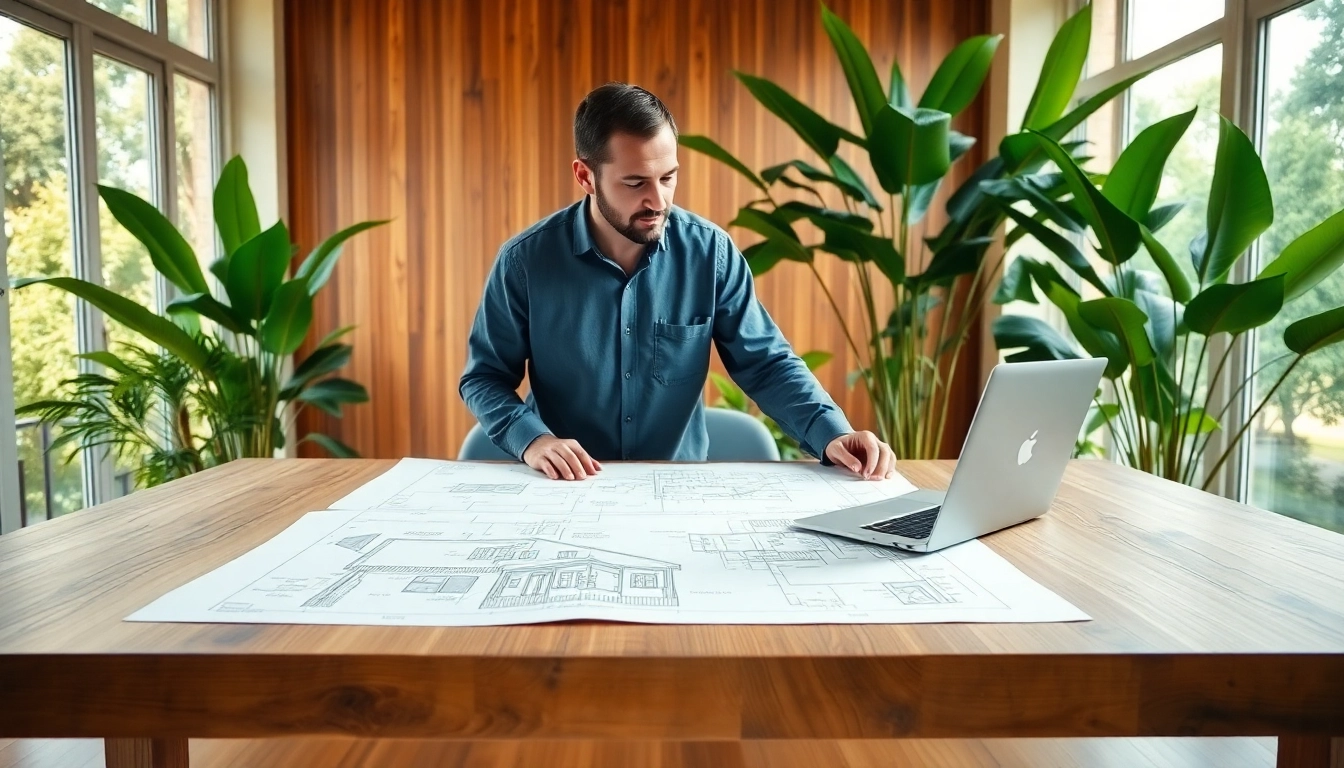
Understanding the Basics of Residential Architecture
What is Residential Architecture?
Residential architecture is a specialized branch of architecture that focuses on designing homes and residential spaces. This field encompasses a varied range of building types from single-family homes to high-rise apartment complexes. The primary goal here is to create functional, aesthetically pleasing, and sustainable living environments tailored to the needs and preferences of the inhabitants. Understanding the significance of residential architecture can greatly enhance how you approach your own living space.
Key Considerations Before Starting a Project
Before embarking on a residential architecture project, it’s crucial to consider various factors that could influence the design and construction process. These include your lifestyle needs, the family dynamics, the site location, and local building codes. Engaging in discussions about your vision with an architect or project manager can provide clarity on scope and feasibility. It’s not just about aesthetics; practical elements such as future resale value, environmental impacts, and even community aesthetics play vital roles.
Common Misconceptions About Residential Architecture
There are many myths surrounding residential architecture. A common one is that it is only about aesthetics; while this is an important aspect, functionality, sustainability, and safety must not be overlooked. Another misconception is that all architects have the same skill set or qualify for every project. In reality, architects often specialize in different types of projects, and finding the right architect is pivotal to your project’s success.
Steps to Start a Residential Architecture Project
Defining Your Vision and Objectives
One of the first steps in starting your residential architecture project is to clearly define your vision and objectives. What do you want to achieve? Is it a modern family home, a cozy cottage, or an energy-efficient sustainable home? Being clear about your goals will help architects provide designs that align with your aspirations. Consider the number of rooms you want, future needs, whether you need a home office, and how you envision your interaction with outdoor spaces.
Choosing the Right Architect for Your Needs
Choosing an architect is a crucial decision in any residential architecture project. Look for professionals whose design philosophy resonates with your vision. It’s beneficial to review their portfolio, check client testimonials, and ensure they have experience with projects similar to yours. An effective architect should not only bring design skills but also be open to communication, ensuring the project runs smoothly.
Preparing Your Budget and Timeline
Establishing a realistic budget and timeline is essential to avoid financial strain and project delays. Your budget should account for all phases of the project, from design, materials, permits, to labor costs. Be sure to include a buffer for unexpected expenses. Similarly, outline a timeline that includes milestones such as design approvals and construction phases. Having a comprehensive budget and schedule enables you to manage your expectations effectively.
Best Practices for a Successful Project
Effective Communication with Your Architect
Communication is key to the success of your residential architecture project. Regular updates and open dialogues about your expectations, preferences, and any concerns can facilitate a smoother design process. Ensure that both you and your architect share valuable feedback, and don’t hesitate to ask questions to better understand design choices. Regular meetings can help keep the project on track and aligned with your vision.
Incorporating Sustainability into Your Design
Modern architecture increasingly emphasizes sustainability. While starting a residential architecture project, consider integrating eco-friendly materials, energy-efficient designs, and sustainable systems like rainwater harvesting or solar panels. Sustainable architecture not only benefits the environment but can significantly reduce long-term utility costs for homeowners.
Maintaining Flexibility Throughout the Process
Even the best-laid plans can require adjustments as the project progresses. Maintaining an adaptable mindset allows you to respond effectively to changes and innovations that arise. Whether it’s new materials entering the market, insights from construction progress, or alterations in your personal vision, being open to adaptations can enhance the overall project outcome.
Challenges You May Encounter
Managing Changes and Modifications
Changes in design or scope can often arise due to unforeseen circumstances, budget constraints, or new insights. The key to managing these adjustments is clear documentation of all changes and ensuring that all stakeholders are informed. This helps in minimizing conflicts and misunderstandings, which can hinder project progress.
Navigating Local Building Regulations
Every municipality has its own building codes and regulations which must be followed when starting a residential architecture project. Familiarize yourself with these laws as they affect everything from structural integrity to safety guidelines. Your architect should also have a solid understanding of these regulations and should assist you in navigating them effectively.
Dealing with Unforeseen Costs
Unforeseen costs can arise due to various factors, such as site conditions, material price fluctuations, or design changes. To navigate this, ensure your budget includes a contingency fund to cover unexpected expenses. Regular finance reviews throughout the project can help manage costs more effectively and keep the project within budget.
Frequently Asked Questions
What should I consider first when starting a residential architecture project?
Start by defining your vision and objectives. Understand the space you need, consider your lifestyle, and think about your future needs, including sustainability and accessibility.
How can I ensure my project stays within budget?
Prepare a detailed budget that includes all costs and a contingency fund. Regular financial reviews and open communication with your architect can also help manage potential overruns.
What role does an architect play in my project?
An architect designs your living space adhering to your vision while ensuring it meets safety and functionality standards. They manage the project and liaise with contractors and subcontractors.
How long does a typical residential architecture project take?
The duration can vary based on project complexity and size, typically ranging from several months to over a year. Planning the timeline during the design phase can provide a clearer picture.
Can I include sustainable materials in my design?
Absolutely! Sustainable materials can be integrated into your design, promoting eco-friendliness and reducing environmental impact. Discuss options with your architect to align with your vision.
If you’re ready to Start a residential architecture project, these insights and guidelines will help you navigate the process successfully. Follow these steps to ensure your project is not only a reflection of your personal style but also a functional and comfortable residence.