Understanding Crawl Space Restoration
Definition and Importance of Crawl Space Restoration
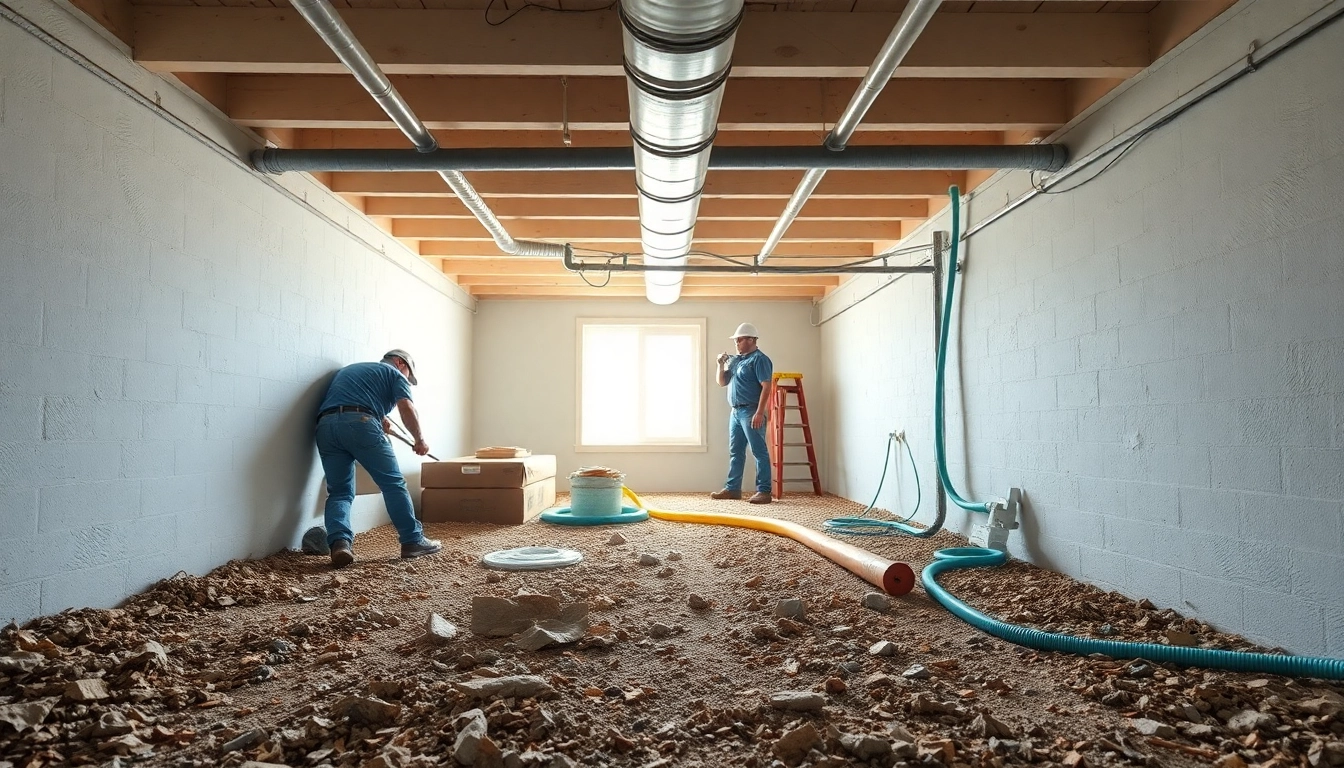
Crawl Space Restoration refers to the process of repairing, renovating, or improving the condition of the crawl space under your home. This space, often overlooked, plays a crucial role in the overall integrity and health of a house. Neglecting this area can lead to various issues that affect not only the structure but also the indoor air quality of your home. Proper Crawl Space Restoration enhances the resilience of your home against mold, pests, and other environmental hazards.
Common Issues in Crawl Spaces
Crawl spaces frequently encounter a range of issues that can jeopardize the safety and comfort of a home. Common problems include:
- Moisture Accumulation: Water intrusion from rain or plumbing leaks can lead to damp conditions.
- Mold Growth: High humidity and moisture are the perfect breeding grounds for mold.
- Pest Infestations: Crawl spaces can attract rodents, insects, and other pests.
- Structural Damage: Wood rot and foundation shifting can occur if issues are left unchecked.
Signs Your Crawl Space Needs Restoration
Identifying the need for crawl space restoration can often be achieved by observing several telltale signs:
- Musty Odors: Unpleasant smells can indicate mold or mildew.
- Visible Mold: A clear sign of moisture problems.
- Water Stains: Discoloration on walls may point to past or current leaks.
- Pest Droppings: Evidence of rodent or insect activity.
- Uneven Floors: Interior settlement issues might stem from crawl space problems.
Techniques for Effective Crawl Space Restoration
Waterproofing Your Crawl Space
One of the most critical steps in crawl space restoration is effective waterproofing. This involves sealing any leaks and applying a vapor barrier to prevent moisture intrusion. Techniques include:
- Exterior Drainage Systems: Installing drains can redirect water away from the home’s foundation.
- Interior Drainage Systems: These systems can help manage water already within the crawl space.
- Vapor Barriers: Thick polyethylene sheeting is used to cover the ground, preventing ground moisture from rising.
Insulation and Ventilation Methods
Proper insulation helps maintain temperature control and energy efficiency while effective ventilation reduces humidity levels. Key methods include:
- Foam Board Insulation: Rigid foam panels are installed on walls to improve thermal performance.
- Fiberglass Insulation: It’s crucial for regulating temperatures but should be used with waterproofing to prevent absorption.
- Ventilation Systems: Continuously circulating air prevents moisture buildup; however, careful balance is needed to avoid causing drafts.
Mold Removal Strategies
Once mold has been identified, it must be addressed promptly. Effective mold removal strategies include:
- Cleaning Solutions: Using biocide or mold-specific cleaning solutions to eliminate spores.
- Controlled Environment: Keeping humidity low during and after removal prevents mold from returning.
- Professional Help: In severe cases, hiring professionals trained in mold remediation is wise.
Tools and Materials for Crawl Space Restoration
Essential Tools for Professionals
Restoration work often requires specific tools to address various issues effectively. Essential tools include:
- Moisture Meters: To measure humidity levels and detect damp spots.
- Sprayers: For applying mold removal agents.
- Insulation Cutters: For precise installation of insulation materials.
- Protective Gear: Gloves, masks, and suits to ensure safety during dangerous tasks.
Common Materials Used in Restoration
Materials play a significant role in the effectiveness and longevity of restoration efforts. Common materials include:
- Vapor Barriers: Heavy-duty polyethylene sheets for ground coverage.
- Insulation Material: Options like fiberglass or foam boards.
- Sealants: For waterproofing cracks and joints in the foundation.
- Dehumidifiers: Essential for maintaining low humidity levels after restoration.
Safety Gear for Crawl Space Work
Ensuring safety during crawl space restoration is crucial. Essential safety gear includes:
- Respirators: Protects against inhalation of mold spores or harmful chemicals.
- Gloves: Prevents skin contact with hazardous materials.
- Protective Suits: Keeps one’s clothing and skin shielded from contaminants.
- Hard Hats: To protect against any low-hanging structures or debris.
Cost Considerations in Crawl Space Restoration
Average Costs of Restoration Services
The costs associated with crawl space restoration can vary widely based on several factors, but on average, homeowners can expect to pay:
For foundational work, services typically range from $1,500 to $8,000 depending on severity and complexity. More extensive waterproofing and insulation might raise costs significantly.
Factors Affecting Restoration Prices
Several factors contribute to the total cost of restoration, such as:
- Size of the Crawl Space: Larger areas generally require more materials and labor.
- Extent of Damage: More significant repairs increase overall costs.
- Material Choice: Higher-quality and specialized materials can significantly spike expenses.
- Labor Costs: Rates vary by region and the professional expertise level.
Budgeting for DIY vs. Professional Help
When deciding whether to undertake crawl space restoration as a DIY project or hire professionals, budget is a key consideration:
- DIY: Typically will cost less, but requires time, effort, and the right skills.
- Professional Help: Higher costs, but assures expertise and often a quicker effective resolution.
FAQs on Crawl Space Restoration
What are the benefits of crawl space restoration?
Crawl space restoration improves indoor air quality, prevents mold growth, and enhances energy efficiency while protecting your home’s structural integrity.
How long does a crawl space restoration take?
Restoration duration can vary widely; it may take anywhere from a few days to several weeks, depending on the extent of damage and required repairs.
Can I do crawl space restoration myself?
Many elements of crawl space restoration can be DIY projects if you’re handy; however, complex mold removal or structural repairs often require professional expertise.
What problems can arise from a neglected crawl space?
Neglecting a crawl space can lead to severe issues such as mold proliferation, pest infestations, wood rot, or even substantial structural damage to the home.
How often should I have my crawl space inspected?
It is advisable to have your crawl space inspected at least once a year and after significant weather events to catch any emerging issues early.