
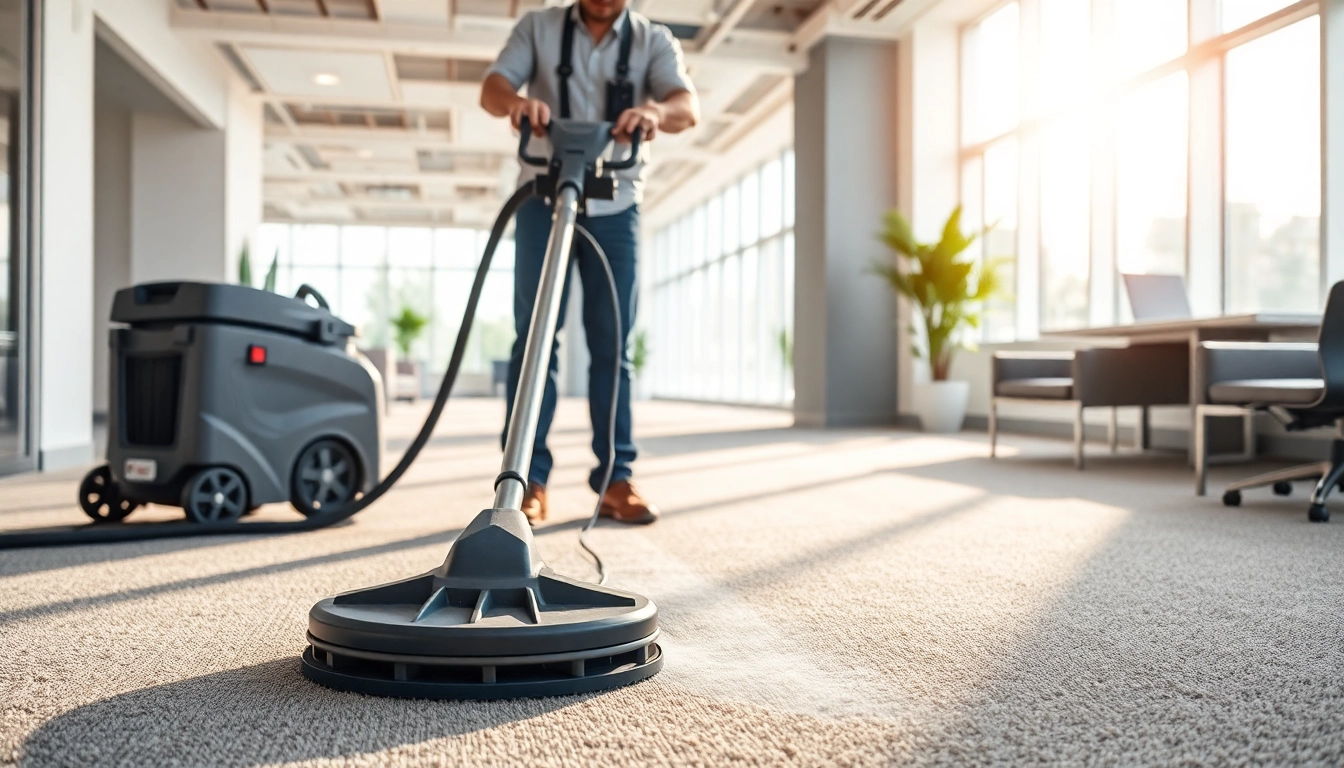
Understanding Commercial Carpet Cleaning
What is Commercial Carpet Cleaning?
Commercial carpet cleaning refers to the process of maintaining and restoring carpets in business settings. This differs from residential carpet cleaning due to the scale, material, and traffic levels found in commercial spaces. While homes might see regular foot traffic, commercial carpets, especially in areas such as offices, retail stores, and restaurants, endure significantly higher usage. Regular maintenance is crucial, not just for aesthetics but for hygiene and durability, making commercial carpet cleaning an integral part of facility management.
The Importance of Regular Cleaning
Regular cleaning of commercial carpets is critical to maintaining a healthy work environment. Dust, dirt, and allergens accumulate over time, adversely affecting indoor air quality. Regular cleaning can reduce sick building syndrome and enhance employee productivity by providing a clean and inviting environment.
Furthermore, regular cleaning helps to prolong the life of the carpet. Most commercial carpets are a significant investment, and ensuring their longevity through upkeep pays off in the long run. This practice also contributes to a positive first impression for customers and clients entering the business premises.
Common Methods Used in Commercial Carpet Cleaning
Several effective methods exist for commercial carpet cleaning, each serving different needs and circumstances:
- Steam Cleaning: Utilizes hot water to penetrate deep into the carpet fibers, effectively loosening dirt, dust, and allergens.
- Dry Cleaning: Employs specialized cleaning agents to absorb dirt, reducing drying time.
- Bonnet Cleaning: A method typically used in hotels and office environments, it involves using a rotary machine to clean the surface of the carpet.
- Encapsulation: Involves applying a polymer to encapsulate dirt particles, which are then vacuumed away, increasing efficiency and reducing water usage.
- Shampooing: This traditional method can offer good results for heavily soiled carpets but may leave residues if not executed properly.
Choosing the Right Carpet for Your Business
Factors to Consider When Selecting Commercial Carpets
When investing in carpets for commercial spaces, several factors should be taken into account to ensure longevity and functionality. First and foremost is the expected foot traffic; high-traffic areas require more durable carpets that can withstand wear and tear.
Other considerations include the carpet’s resistance to stains and spills, which is essential for environments such as restaurants or healthcare facilities. Additionally, the color and pattern should align with your branding while also being practical for maintenance.
Best Carpet Materials for Easy Maintenance
When it comes to durability and easy maintenance, certain carpet materials stand out:
- Nylon: Known for its resilience and resistance to abrasion, nylon carpets are ideal for high-traffic areas.
- Polyester: Offers excellent stain resistance and is an eco-friendly option since it can be made from recycled materials.
- Olefin: This material is mold and mildew resistant, making it suitable for areas prone to moisture.
- Wool: While more expensive, wool carpets provide natural stain resistance and longevity, perfect for luxury spaces.
Sustainability in Carpet Choices
With increasing awareness of environmental issues, businesses are opting for sustainable carpet options. Recycled materials and low VOC (Volatile Organic Compounds) carpets can significantly reduce the carbon footprint associated with flooring materials. Companies should also inquire about the manufacturing processes to ensure they align with sustainability goals.
Best Practices for Commercial Carpet Cleaning
Creating a Cleaning Schedule
A well-structured cleaning schedule is essential for keeping commercial carpets in top condition. Establishing a cleaning frequency based on traffic levels, type of environment, and carpet material is vital. For instance, high-traffic areas might necessitate weekly cleaning, while less frequented spaces could be cleaned monthly.
Additionally, incorporating spot-cleaning protocols for stains should be part of any routine to avoid permanent damage. Regular inspections combined with a cleaning schedule can help catch issues before they escalate.
Utilizing Professional Cleaning Services
Hiring professional cleaning services can be invaluable for commercial carpet maintenance. These experts utilize advanced technology and cleaning products that are often more effective than typical DIY methods. Professional schedules can also adapt to off-peak hours, minimizing disruption to business operations.
Furthermore, many commercial cleaning companies provide additional services such as carpet protection and deodorization, adding even more value.
DIY Tips for Maintaining Commercial Carpets
While professional cleaning is essential, businesses can take steps to maintain carpets between professional services. Regularly vacuuming carpets helps to remove dirt and prevent it from settling deep into fibers. It’s also crucial to address spills immediately—blotting, not rubbing the area can prevent stains from setting.
Using mats at entrances and in high-traffic areas can reduce dirt accumulation and maintenance frequency, proving cost-effective in the long run.
Common Challenges in Commercial Carpet Cleaning
Identifying and Treating Stains
Stains on carpets can present significant challenges, especially in high-traffic areas. Identifying the type of stains—whether they are from food, beverages, or other sources—can determine the best approach for treatment. Often, a multi-faceted approach combining spot-cleaning, steam cleaning, and purposed products is necessary for effective removal.
Education about common stains and their treatments can empower employees to take immediate action, minimizing damage over time.
Dealing with Odors and Allergens
Commercial carpets can harbor odors and allergens, particularly in environments where spills and moisture are common. Regular cleaning and the use of air purifiers can assist in maintaining air quality. For persistent odors, deep cleaning and the application of appropriate deodorizing agents can provide relief.
Implementing a policy of cleanliness, including regular maintenance by staff, will contribute to an overall healthy environment.
Preventative Measures for High-Traffic Areas
Preventative measures are essential to prolonging the life of carpets in high-traffic areas. Using quality entry mats, designing traffic patterns that minimize wear, and training employees on maintenance practices can lead to significant improvements. Additionally, investing in carpet tiles can allow for easy replacement of damaged sections without the need to replace the entire carpet.
Measuring the Success of Your Cleaning Efforts
Key Performance Indicators for Carpet Maintenance
To ensure that your carpet cleaning efforts are effectively maintaining the quality and appearance of your carpets, it is important to measure success through relevant metrics. Key performance indicators (KPIs) might include the frequency of professional cleanings required, the average lifespan of the carpet, and identified stains and treatments executed.
Implementing assessments after each cleaning can inform future strategies and adjust maintenance schedules based on real needs.
Customer Feedback and Satisfaction
Customer feedback can be a crucial indicator of whether your carpet cleaning efforts are meeting standards. Engaging with clients and employees about their experiences can reveal insights into the efficiency of cleaning methods and protocols. Regular satisfaction surveys provide actionable data to refine cleaning processes further.
Long-term Cost Benefits of Regular Cleaning
While regular commercial carpet cleaning requires time and resources, it ultimately leads to significant cost savings over time. Well-maintained carpets last longer, requiring fewer replacements and repairs. In addition, businesses might benefit from reduced employee health costs associated with poor indoor air quality, leading to fewer sick days.
FAQs About Commercial Carpet Cleaning
What is commercial carpet cleaning?
Commercial carpet cleaning is the process of cleaning carpets in business environments, using methods tailored to handle high traffic and different types of stains.
How often should carpets in a commercial space be cleaned?
Carpets in high-traffic areas should ideally be cleaned at least once every 6 months, while lighter traffic areas can be cleaned annually.
What are the benefits of hiring a professional for carpet cleaning?
Professionals use advanced equipment and techniques that effectively clean carpets, ensuring thorough maintenance and less risk of damage.
Can I clean commercial carpets myself?
Yes, businesses can handle basic maintenance like vacuuming and spot cleaning, but deep cleaning is best left to professionals for optimal results.
What are the signs that my carpets need cleaning?
Visible stains, odors, and a dull appearance are signs that carpets require cleaning. Regular loss of softness can also indicate the need for deep cleaning.
