Introduction to Saltwater Fly Fishing
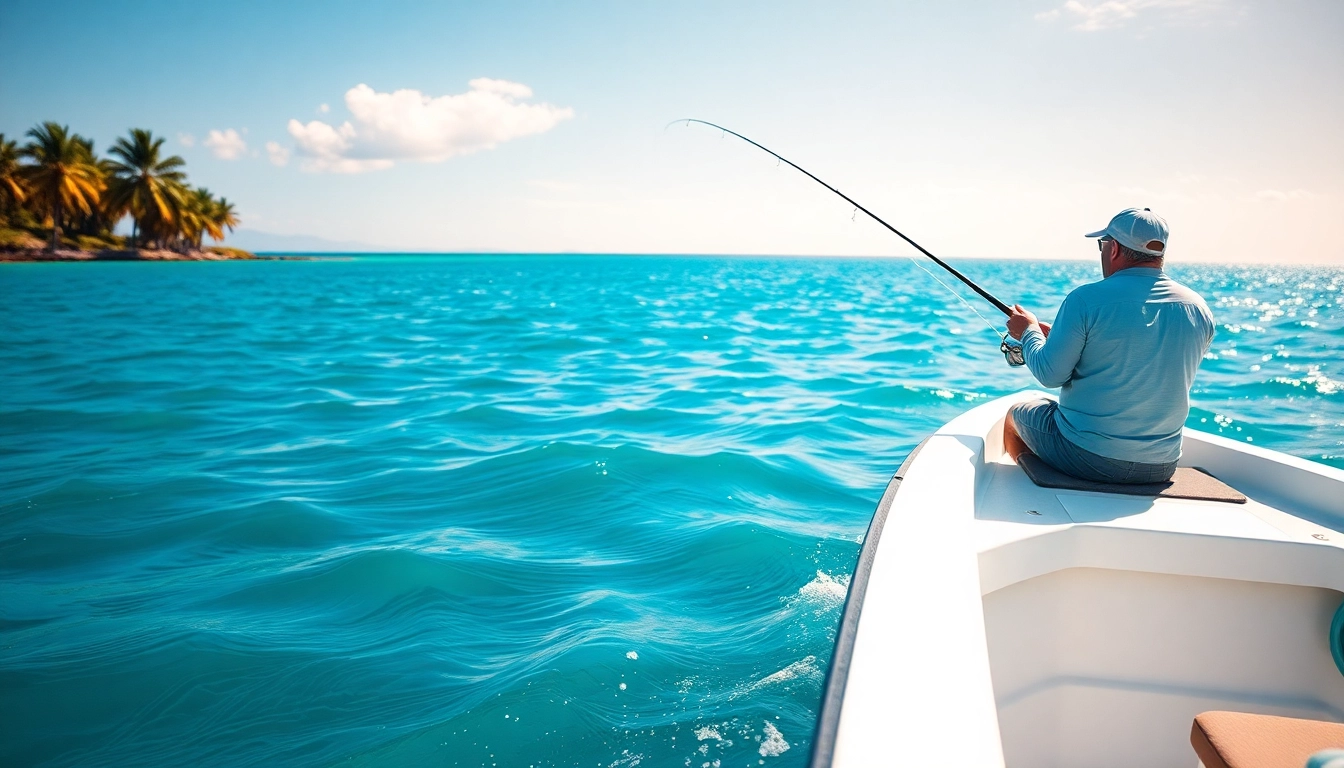
Saltwater fly fishing is an exhilarating pursuit, captivating anglers with the unique challenge and thrill of targeting numerous species in expansive marine environments. Unlike freshwater fly fishing, where anglers often encounter limited species, saltwater offers a diverse array of potential catches, from bonefish to tarpon, each presenting its own challenges and excitement. With its intricate techniques and specialized gear, Saltwater fly fishing requires a deeper understanding of both the environment and the behaviors of the fish pursued. In this guide, we will explore the essence of saltwater fly fishing, the necessary gear, techniques, and the best destinations to experience its allure.
What is Saltwater Fly Fishing?
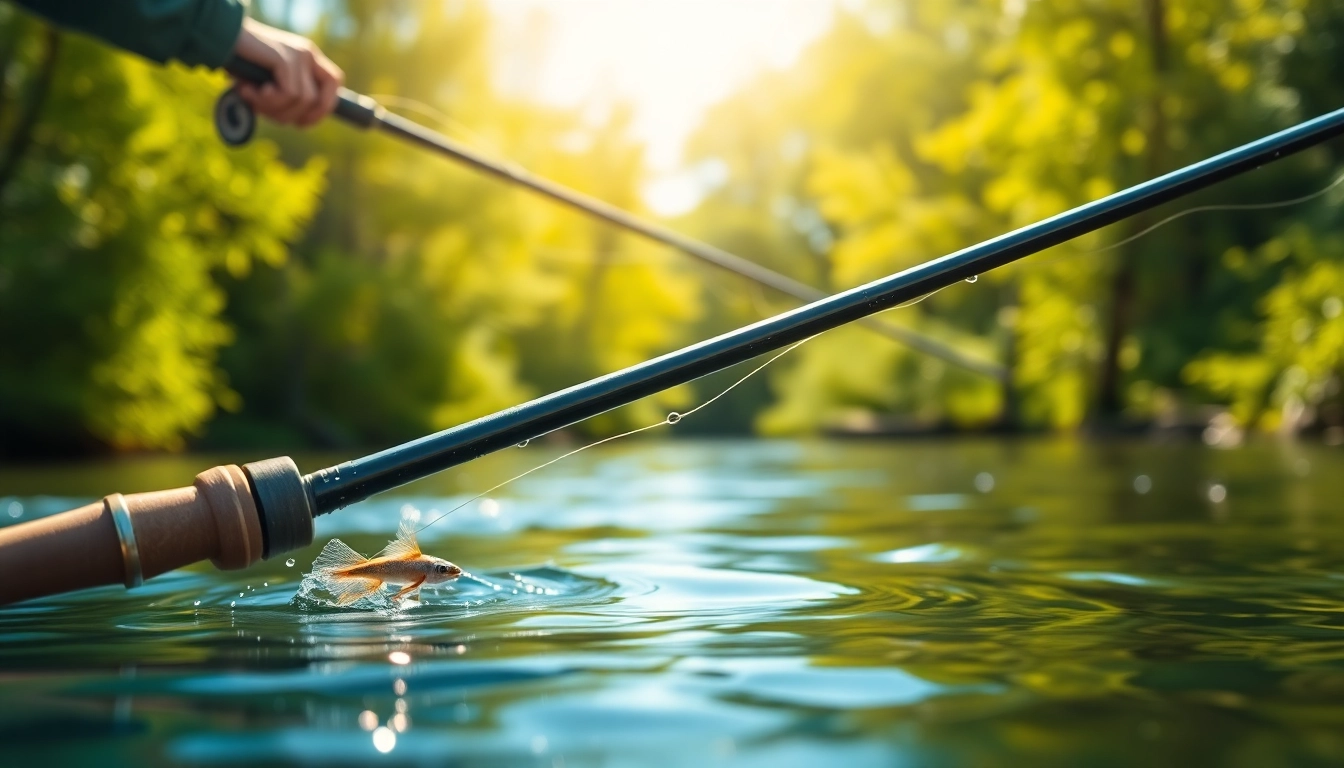
Saltwater fly fishing refers to the practice of fishing for marine species using a fly rod and reel, employing artificial flies as bait. Fly fishing leverages the lightness of the lure and the delicacy of the line technique to entice fish. The primary distinction lies in the environment; the saltwater environment introduces its own set of challenges, including varying salinity, tidal movements, and a diverse ecosystem teeming with marine life. This form of fishing requires not only skill in casting and retrieval but also a comprehension of saltwater environments, including understanding tides, weather patterns, and species behavior.
Differences Between Freshwater and Saltwater Fly Fishing
The differences between freshwater and saltwater fly fishing are notable and critical for success. Here are some key distinctions:
- Species Variety: Saltwater fly fishing opens the door to a myriad of fish species, including bonefish, tarpon, snook, and permit, while freshwater fishing typically offers trout, bass, and panfish.
- Gear Requirements: Saltwater gear is built to withstand harsher conditions. Rods and reels must be corrosion-resistant, while lines are designed to handle heavier weights.
- Techniques and Strategies: The fishing techniques employed in saltwater may differ significantly, often requiring adaptations such as handling wind and current.
- Environmental Factors: Saltwater conditions introduce complexities related to tides, salinity, and weather that do not generally affect freshwater fishing.
Common Saltwater Fly Fishing Species
Anglers pursuing saltwater fly fishing often encounter a spectacular variety of species. Each species has unique characteristics and habits that require tailored strategies. Some of the most sought-after saltwater species include:
- Bonefish: Known as the “ghosts of the flats,” these fish are highly sought after for their speed and elusiveness.
- Tarpon: With their acrobatic jumps and powerful runs, tarpon provide one of the most thrilling challenges for fly fishermen.
- Permit: Highly prized for their wariness, targeting permit is often considered the pinnacle of saltwater fly fishing.
- Snook: These aggressive predators can be found in various environments, from mangroves to open flats.
- Redfish: Common in coastal waters and estuaries, redfish are a favorite among fly anglers due to their size and delicious taste.
Essential Gear for Saltwater Fly Fishing
While the thrill of saltwater fly fishing is captivating, success heavily relies on having the right equipment. Selecting appropriate gear helps maximize your performance and enjoyment on the water.
Choosing the Right Rod and Reel
When selecting a rod and reel for saltwater fly fishing, consider the following:
- Rod Length: Typically, saltwater fly rods range from 8 to 10 feet. Longer rods can provide better casting distance and line control.
- Weight Class: Choose a rod that is suitable for the species you are targeting. Rods typically range from 6 to 12 weights, with heavier rods suitable for larger fish.
- Reel Durability: Saltwater reels must resist corrosion; select anodized aluminum or similar materials. A sealed drag system is preferred for quick adjustments.
Types of Flies for Saltwater Fly Fishing
The choice of flies is essential to successful saltwater fly fishing. Various types of flies can attract different species:
- Streamers: Ideal for predatory species like snook and tarpon, these flies replicate smaller fish or baitfish.
- Clousers: Effective in various environments, Clousers are versatile flies that can attract multiple species.
- Bonefish Flies: Light-colored flies like Gotcha patterns and Crazy Charlie are excellent for targeting elusive bonefish.
- Popper Flies: These noisy flies create surface disturbances and can be particularly effective for aggressive fish.
Safety Equipment and Accessories
Ensuring your safety, alongside that of your fishing companions, is vital in saltwater environments. Essential safety equipment and accessories include:
- Sunscreen: Protect your skin from UV rays, as long days under the sun can lead to burns.
- Hats and Sunglasses: A wide-brimmed hat and polarized sunglasses can shield you from the sun while enhancing visibility in the water.
- First Aid Kit: Always carry a basic first aid kit to address minor injuries or issues promptly.
- Life Vests: If fishing from a boat, ensure life jackets are available for all participants.
Techniques and Strategies
Mastering the techniques and strategies of saltwater fly fishing is essential for success. From casting to retrieving, understanding these elements can significantly affect your fishing experience.
Basic Casting Techniques
Effective casting is the foundation of successful saltwater fly fishing. Key techniques include:
- Double Haul: A double haul casting technique allows for increased line speed and distance, which is especially beneficial in windy conditions.
- Roll Cast: Useful in tight spaces or when backcasting is limited, the roll cast allows the angler to cast the fly without a full overhead motion.
- Overhead Cast: This basic technique involves throwing the line back over your shoulder before casting it forward. Practice helps ensure accuracy and control.
Understanding Tides and Weather Patterns
Saltwater angling is influenced by tidal movements and weather patterns. Understanding these factors can improve your fishing success:
- Tide Cycles: Fish are often more active and feeding during changing tides, especially around high tide and low tide transitions.
- Weather Systems: Cloud cover, rain, and wind patterns can affect fish behavior. Many anglers find overcast days to be more productive.
- Time of Day: Dawn and dusk are often peak feeding times for many saltwater species. Planning your outings around these times can lead to better results.
Effective Retrieval Methods
Once you’ve cast your line, the retrieval process becomes crucial. Here are some strategies to enhance your retrieval:
- Strip Retrieve: This involves pulling the line back in short, quick strips, simulating the movement of prey. Adjusting the speed can entice strikes.
- Slow Retrieve: Sometimes, a slow, steady retrieve can attract curious fish. Experiment with various speeds to find what works on a given day.
- Pulsing: This technique combines stripping with pauses, mimicking the erratic behavior of an injured baitfish, often provoking strikes from predators.
Best Destinations for Saltwater Fly Fishing
The beauty of saltwater fly fishing is not just in the catch but also in the journey to pristine fishing destinations. Travelers can choose from numerous locations, each offering unique opportunities.
Top U.S. Locations
Within the United States, several locations are renowned for their saltwater fly fishing:
- The Florida Keys: A legendary destination, the Keys boast shallow flats and abundant game fish, particularly popular for tarpon and bonefish.
- Texas Coast: Port Aransas and the Texas Gulf Coast are recognized for exceptional redfish and speckled trout fishing.
- Outer Banks, North Carolina: Known for its diverse habitats, the Outer Banks are home to various saltwater species, including striped bass and false albacore.
Exotic International Spots
Adventurous anglers may seek out international destinations known for world-class saltwater fly fishing:
- Christmas Island: Famous for its bonefish, this remote Pacific location offers stunning scenery and abundant fishing opportunities.
- Belize: Known for its crystal-clear waters and rich marine life, Belize presents great opportunities for sight fishing.
- Bahamas: With numerous islands offering pristine flats, the Bahamas ranks as a top destination for serious fly anglers targeting bonefish and permit.
Seasonal Considerations
The timing of your saltwater fly-fishing trips can significantly impact your success. Each location has peak seasons when specific fish are more active:
- Spring: Generally, spring marks the beginning of warmer weather and active fish, especially in the Florida Keys and Gulf Coast.
- Summer: Mid-summer can feature challenging fishing conditions due to high temperatures, but early mornings or late evenings often yield great results.
- Fall: Many saltwater species migrate during fall, creating exciting opportunities for anglers.
- Winter: While some locations may become less hospitable, others remain productive year-round, especially places like the Florida Keys.
Frequently Asked Questions
How does saltwater fly fishing work?
Saltwater fly fishing involves using specialized fly rods and reels to cast lightweight flies that mimic bait. Adjustments in technique, like casting and retrieval, are crucial to successfully attract fish.
What fish can I catch fly fishing in saltwater?
Common catches include bonefish, tarpon, permit, snook, redfish, and various mackerel species, among others. The specific species available depends on the fishing location.
What is the best time for saltwater fly fishing?
The best times vary, but generally, dawn and dusk are peak feeding periods. Additionally, fishing during changing tides can significantly increase your chances of success.
Do I need a special license for saltwater fly fishing?
Yes, many regions require anglers to have a valid fishing license, especially in saltwater areas. Regulations may vary, so check local requirements before your trip.
How do I prepare for my first saltwater fly fishing trip?
Begin by researching your destination, acquiring the necessary gear, and understanding local regulations. Practicing casting techniques and familiarizing yourself with safety gear is also essential.